Default Prove Up Hearing With Judge In Harris
Description

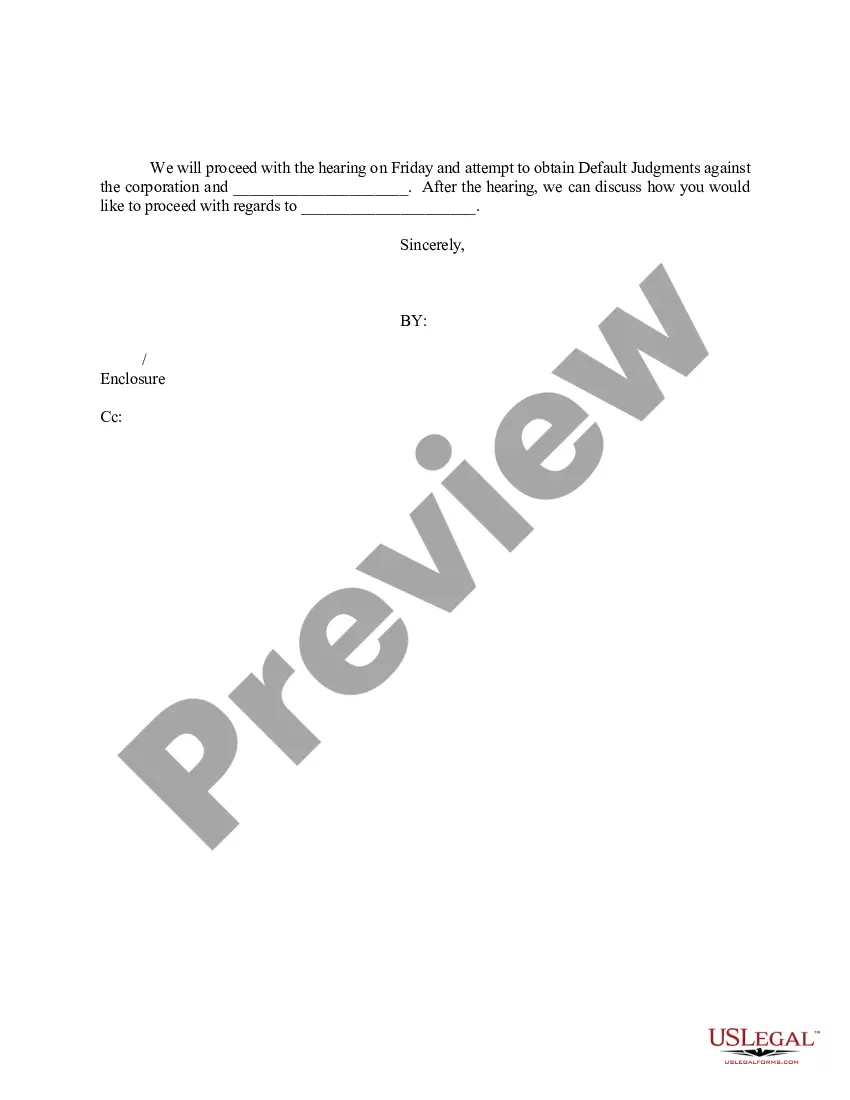
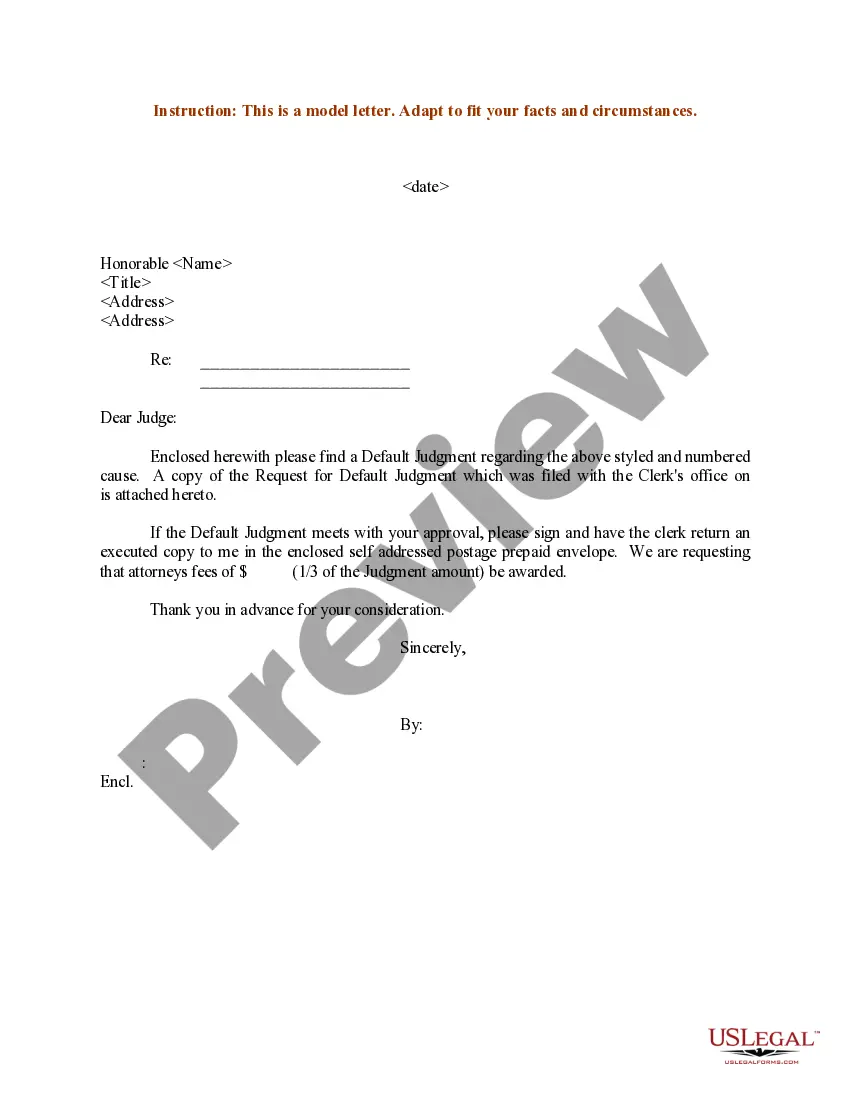
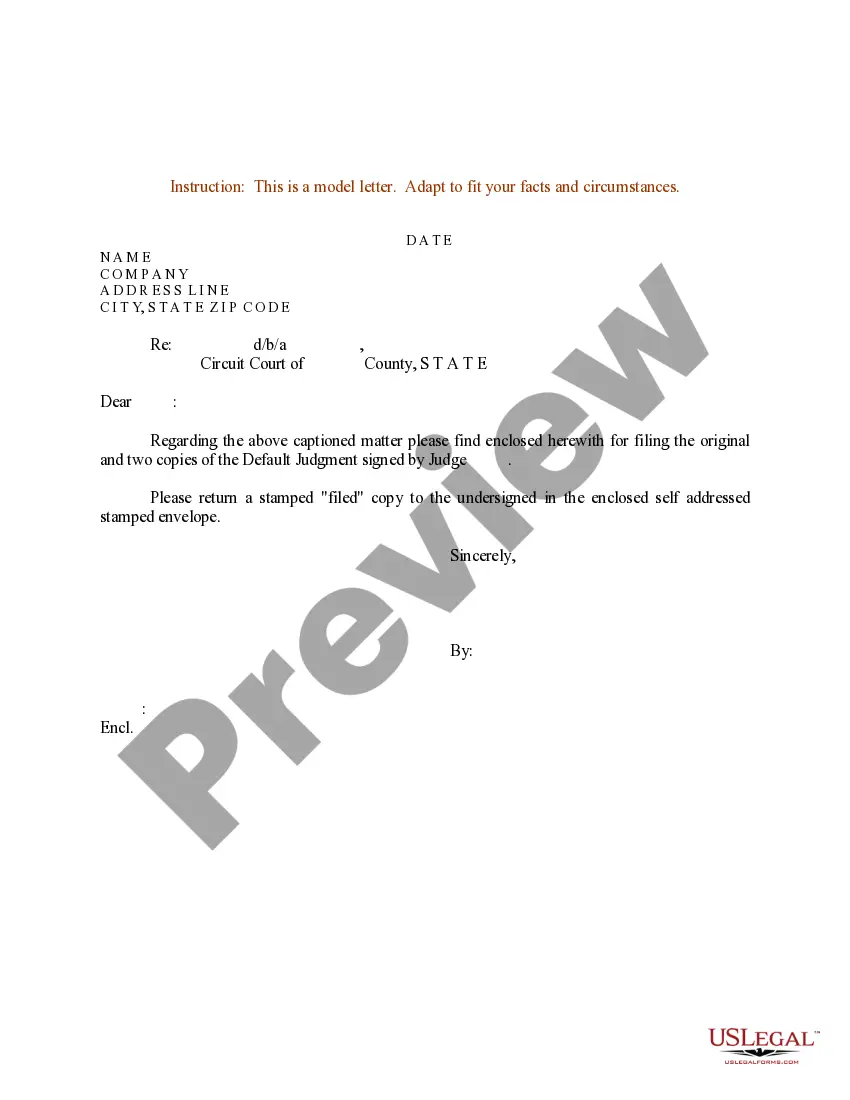
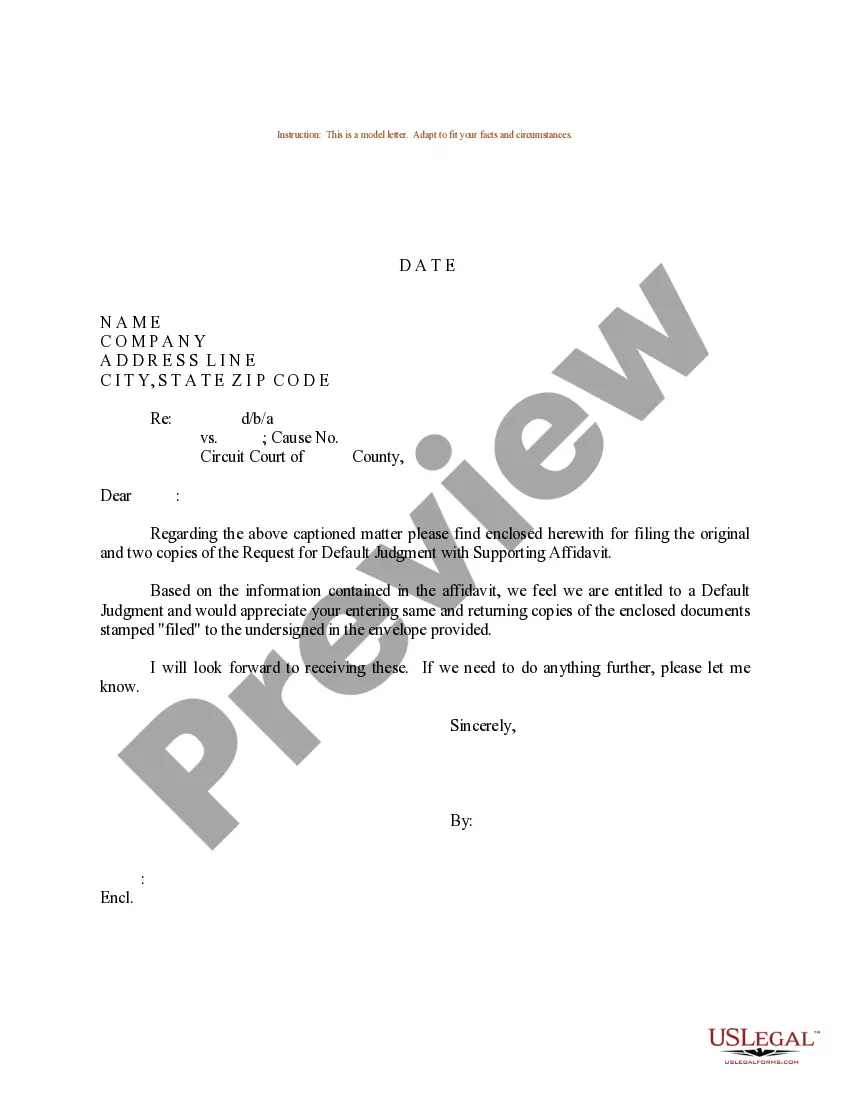
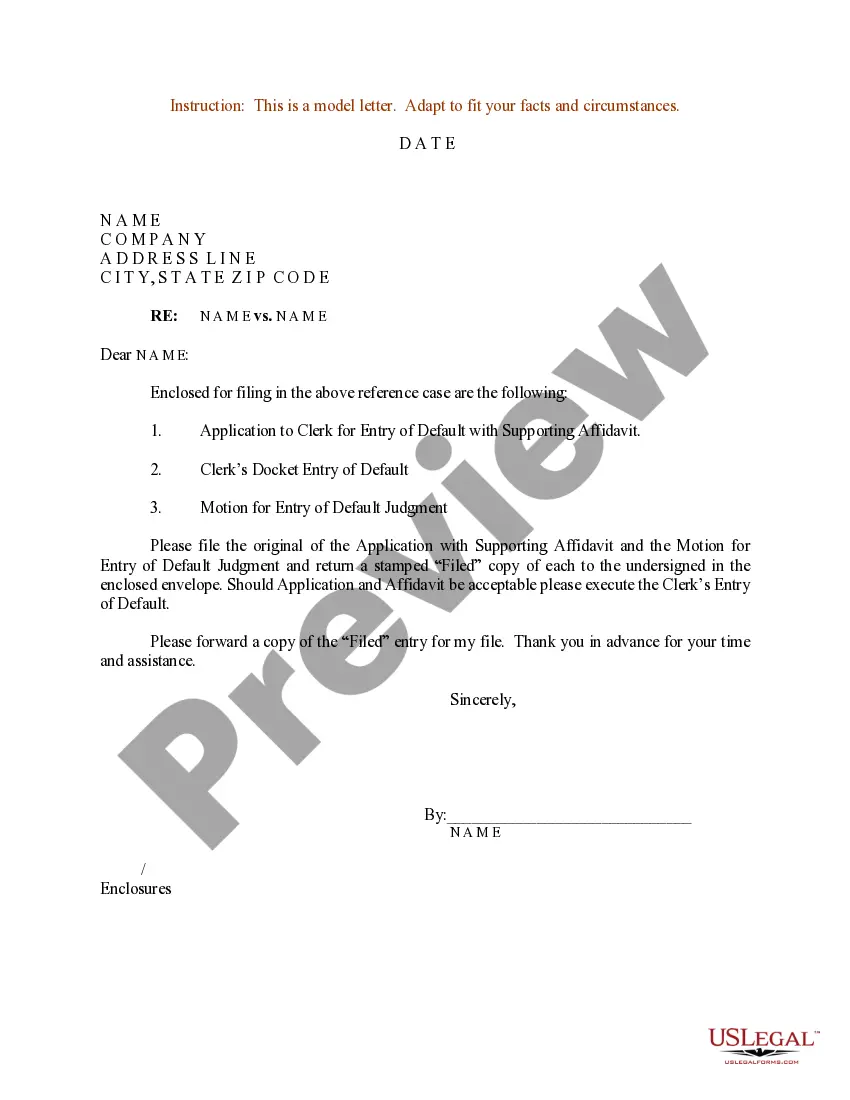
Get your form ready online
Our built-in tools help you complete, sign, share, and store your documents in one place.
Make edits, fill in missing information, and update formatting in US Legal Forms—just like you would in MS Word.
Download a copy, print it, send it by email, or mail it via USPS—whatever works best for your next step.
Sign and collect signatures with our SignNow integration. Send to multiple recipients, set reminders, and more. Go Premium to unlock E-Sign.
If this form requires notarization, complete it online through a secure video call—no need to meet a notary in person or wait for an appointment.
We protect your documents and personal data by following strict security and privacy standards.

Make edits, fill in missing information, and update formatting in US Legal Forms—just like you would in MS Word.

Download a copy, print it, send it by email, or mail it via USPS—whatever works best for your next step.

Sign and collect signatures with our SignNow integration. Send to multiple recipients, set reminders, and more. Go Premium to unlock E-Sign.

If this form requires notarization, complete it online through a secure video call—no need to meet a notary in person or wait for an appointment.

We protect your documents and personal data by following strict security and privacy standards.
Looking for another form?
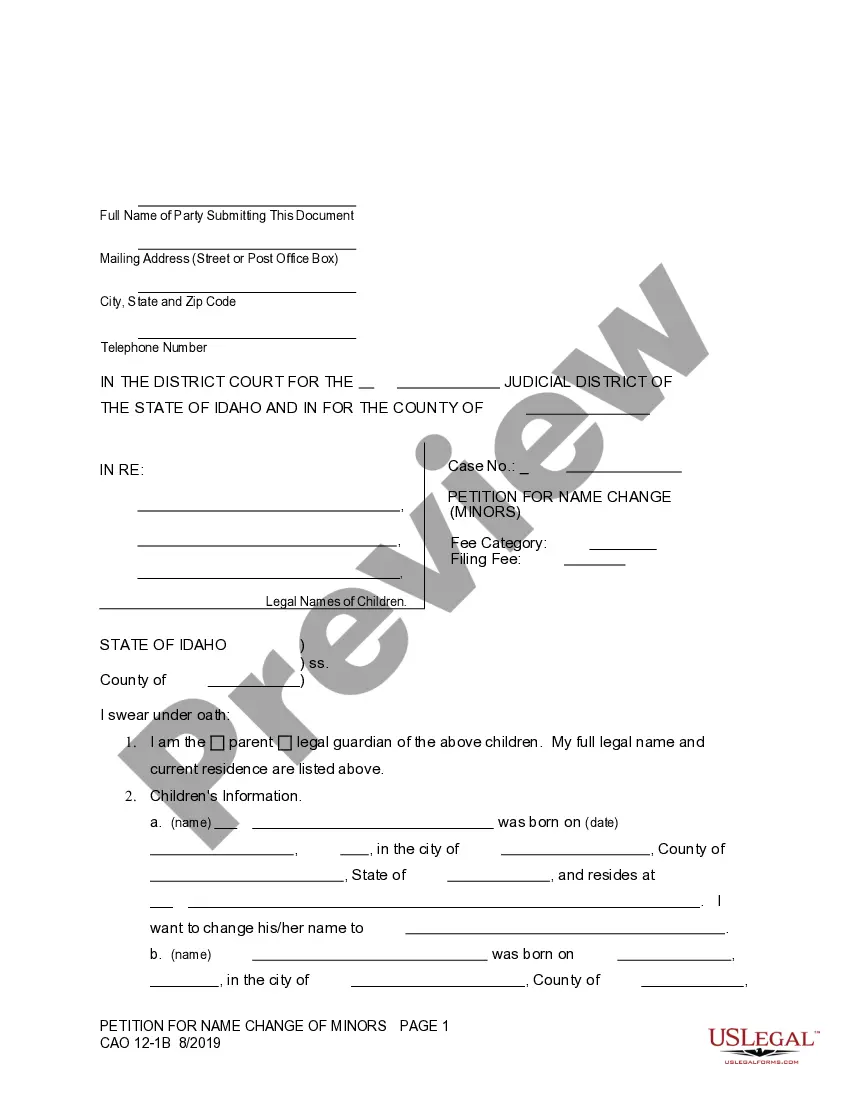






Form popularity
FAQ
A default prove up is essentially a short court hearing where the individual seeking the divorce presents evidence to the judge. This is necessary because, in a default situation, the judgment is submitted without the agreement or participation of the other spouse.
Prove-up hearings are typically required in cases where one party has defaulted by not responding to or otherwise making an appearance in a case. In a divorce, if a party has not filed a response by the end of the 60-day waiting period, a party can enter a Default Final Decree of Divorce.
A default prove up is essentially a short court hearing where the individual seeking the divorce presents evidence to the judge. This is necessary because, in a default situation, the judgment is submitted without the agreement or participation of the other spouse.
In the context of a civil lawsuit, a default judgment is a judgment in favor of one party based on the other's failure to respond or show up in court. In most cases, default judgments are made in favor of a plaintiff when a defendant doesn't respond to a suit.
How long does a default judgment last on my credit report? A default judgment can stay on your credit report for up to seven years.
Judgment: During the default hearing, the petitioner presents their case, providing evidence to support their claims. The judge evaluates the evidence and considers the petitioner's arguments.
A grouping of formal or informal rules or regulations , adopted and implemented at a local level, that govern the practical or procedural affairs of a local court.
Harris County Local Rule 3.3. 6. You must confer person to person with opposing counsel before the court will consider a motion which requires a conference.
A county civil court at law may hear civil matters with an amount in controversy of up to $250,000 and has jurisdiction in appeals of civil cases from justice courts in Harris County.
Harris County's Fair Chance Policy will “prohibit departments from considering an applicant's record of arrest if that arrest did not result in a conviction, or if it did and it was expunged or sealed, or it's a misdemeanor for which no jail time can be sentenced,” said Harris County Attorney Christian Menefee – who ...
