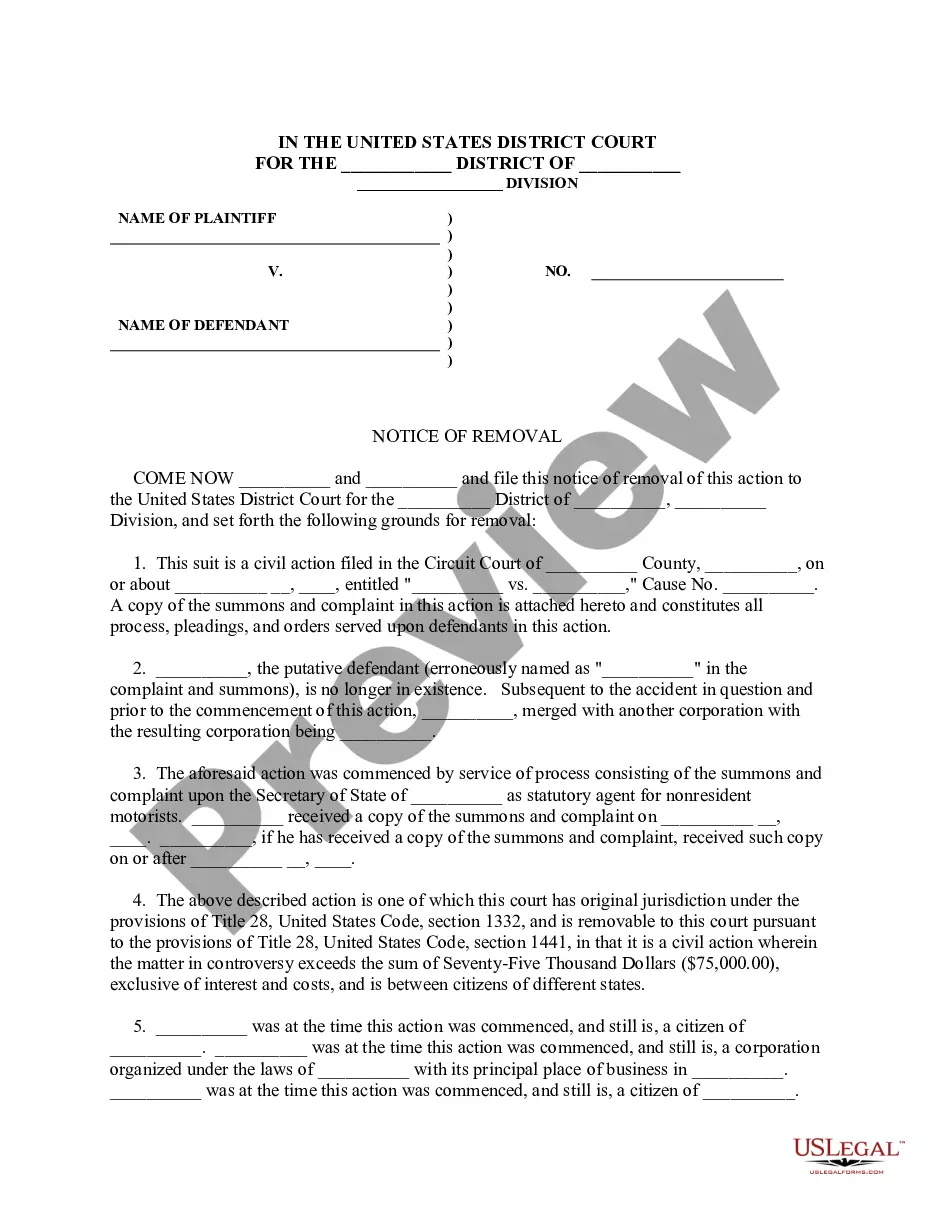
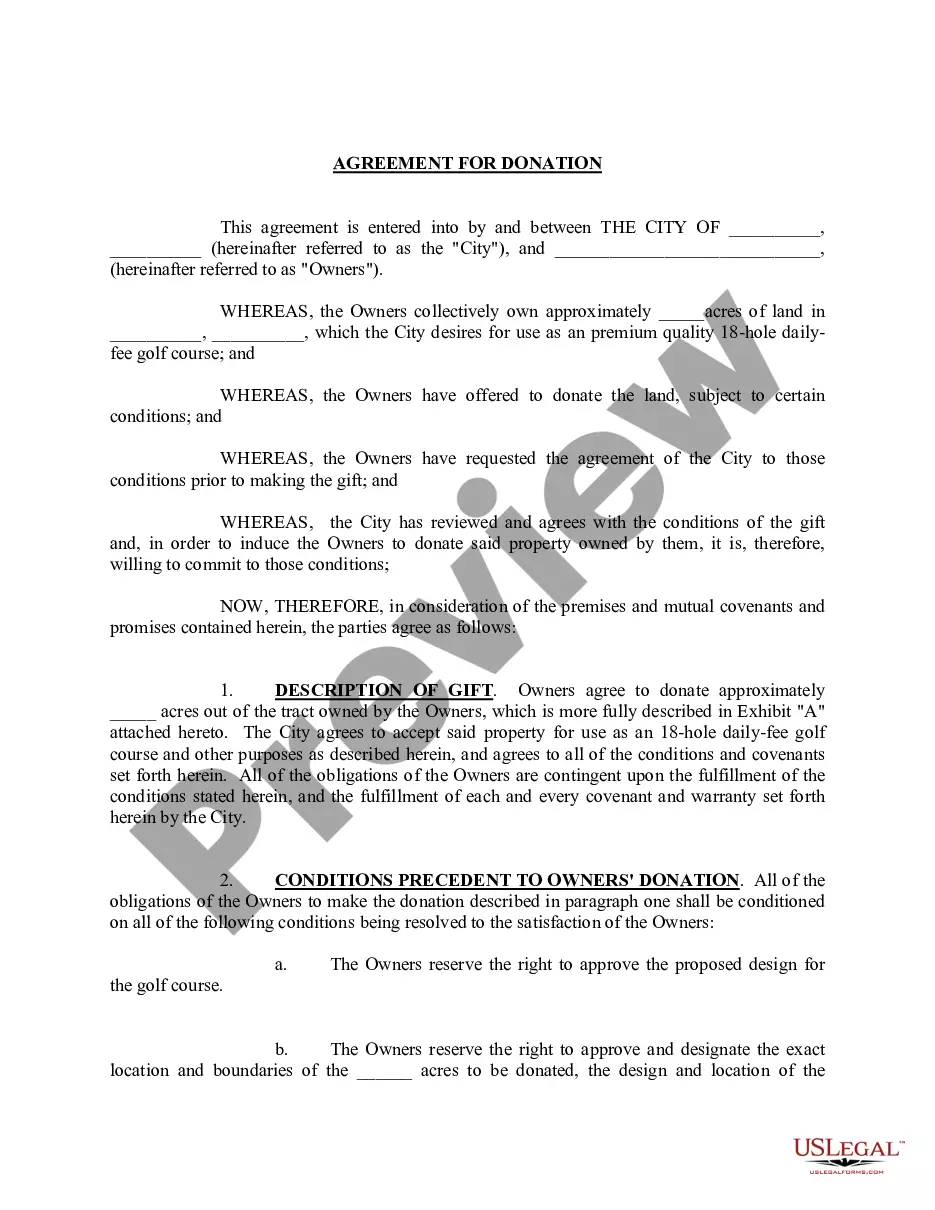
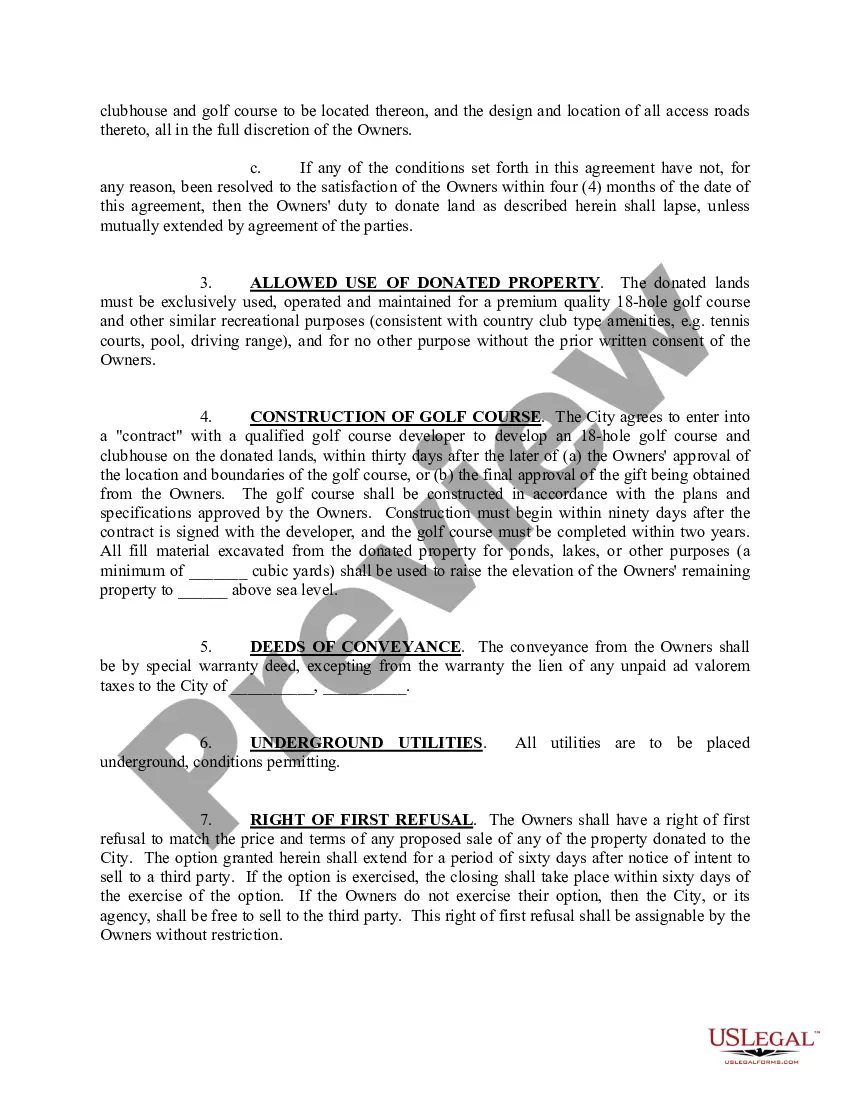
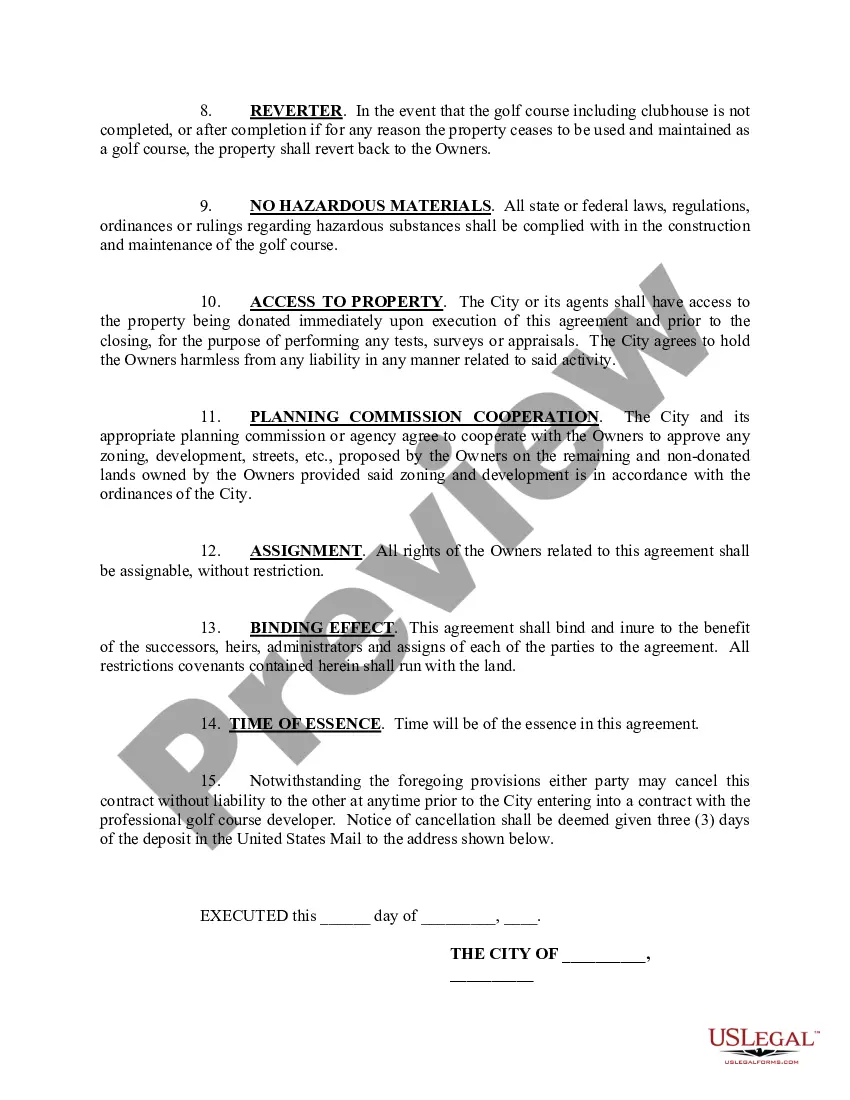
Donacion De Terreno Formato In Utah
Description
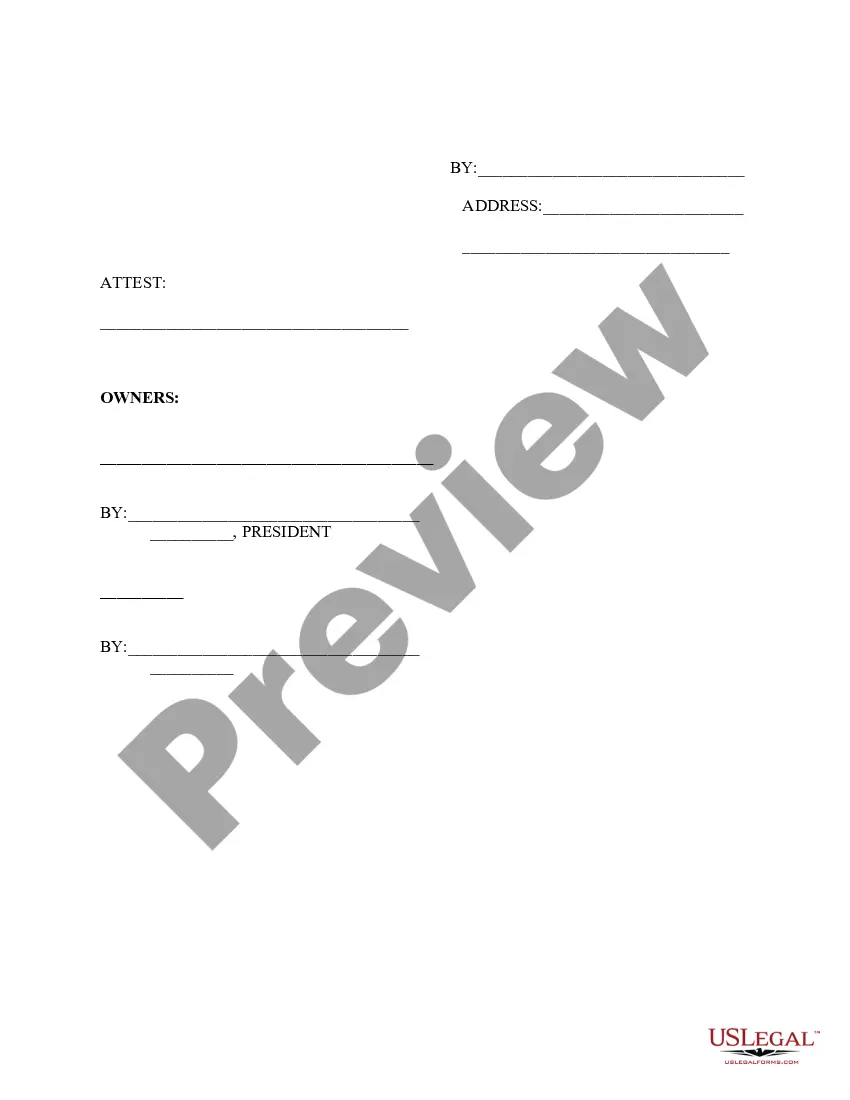
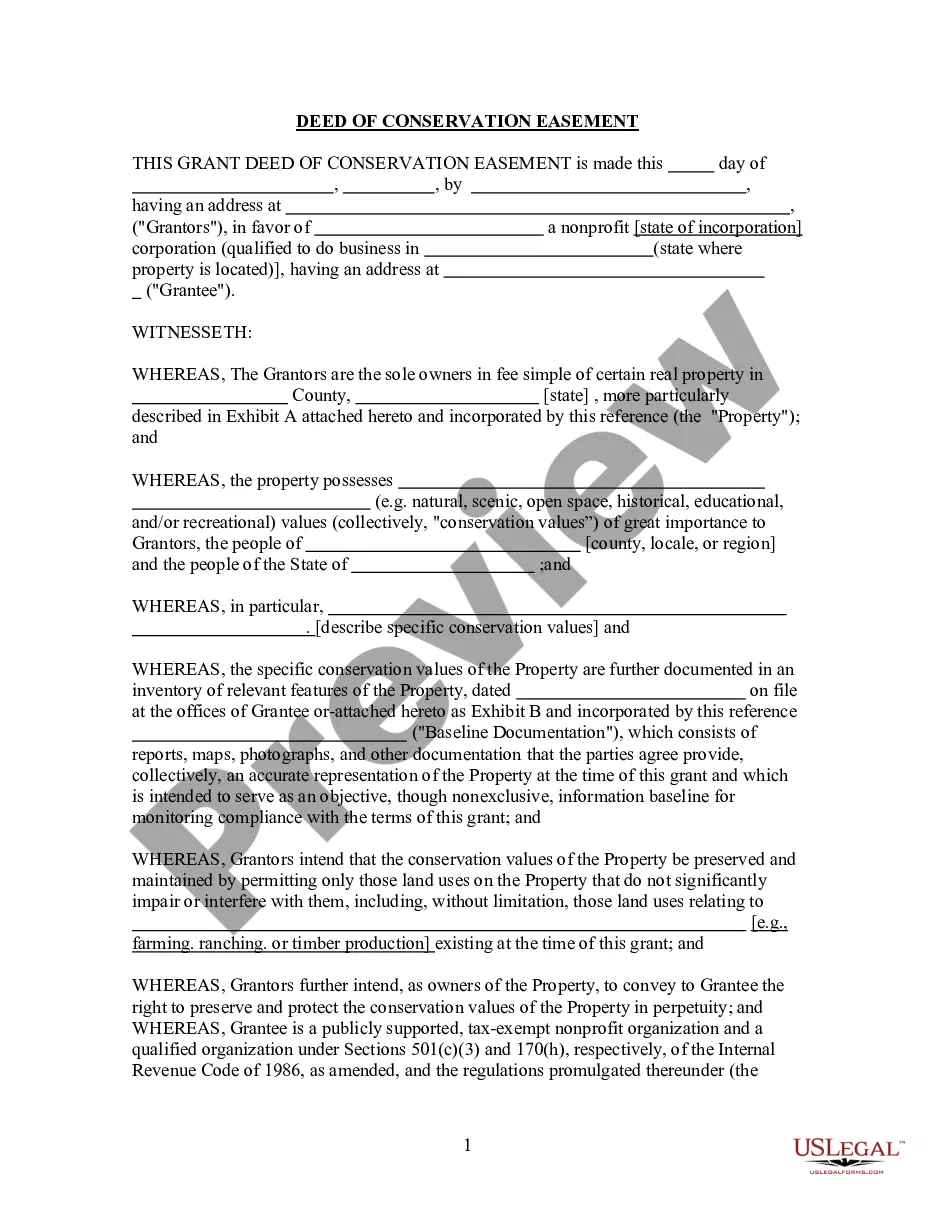
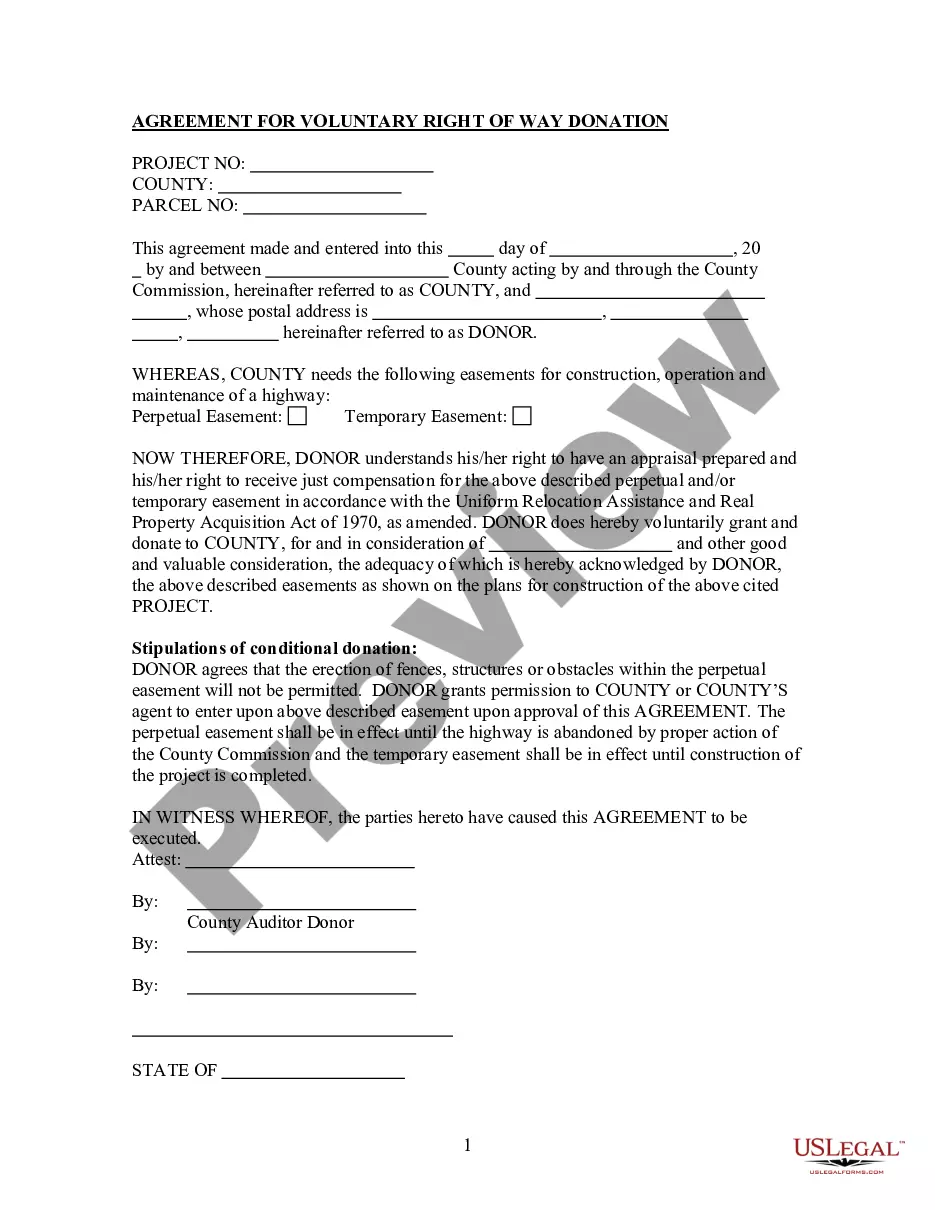
Get your form ready online
Our built-in tools help you complete, sign, share, and store your documents in one place.
Make edits, fill in missing information, and update formatting in US Legal Forms—just like you would in MS Word.
Download a copy, print it, send it by email, or mail it via USPS—whatever works best for your next step.
Sign and collect signatures with our SignNow integration. Send to multiple recipients, set reminders, and more. Go Premium to unlock E-Sign.
If this form requires notarization, complete it online through a secure video call—no need to meet a notary in person or wait for an appointment.
We protect your documents and personal data by following strict security and privacy standards.

Make edits, fill in missing information, and update formatting in US Legal Forms—just like you would in MS Word.

Download a copy, print it, send it by email, or mail it via USPS—whatever works best for your next step.

Sign and collect signatures with our SignNow integration. Send to multiple recipients, set reminders, and more. Go Premium to unlock E-Sign.

If this form requires notarization, complete it online through a secure video call—no need to meet a notary in person or wait for an appointment.

We protect your documents and personal data by following strict security and privacy standards.
Looking for another form?









Form popularity
FAQ
Property that is held in a revocable trust will avoid probate. However, it is not sufficient to just have a revocable trust. The deceased person's property must be held in it when she dies. Once a person signs a revocable trust, she should immediately transfer her property to the trust.
Formal probate is the process for asking the court to appoint a personal representative with a hearing, usually because there is some disagreement about who should be the personal representative or how the estate should be administered and the interested parties need to the court to make decisions.
If you die intestate in Utah, your children will receive an “intestate share” of your property. How much each child inherits depends on how many children you have, whether or not you are married and whether your spouse is also your children's parent.
First and foremost, there are a number of asset types that typically do not pass through probate. This includes life insurance policies, bank accounts, and investment or retirement accounts that require you to name a beneficiary.
Probate is required if: the estate includes real property (land, house, condominium, mineral rights) of any value, and/or. the estate has assets (other than land, and not including cars) whose net worth is more than $100,000.
Establish a living trust: This is a common way for people with high-value estates to avoid probate. With a living trust, the person writing the trust decides which assets to put into the trust and who will act as trustee.
To get title to the property after your death, the beneficiary must record a certified copy of the death certificate in the county recorder's office. No probate is necessary. Use Nolo's Quicken WillMaker to make a transfer on death deed in any state that allows it.