Donate Land For Conservation In San Jose
Description
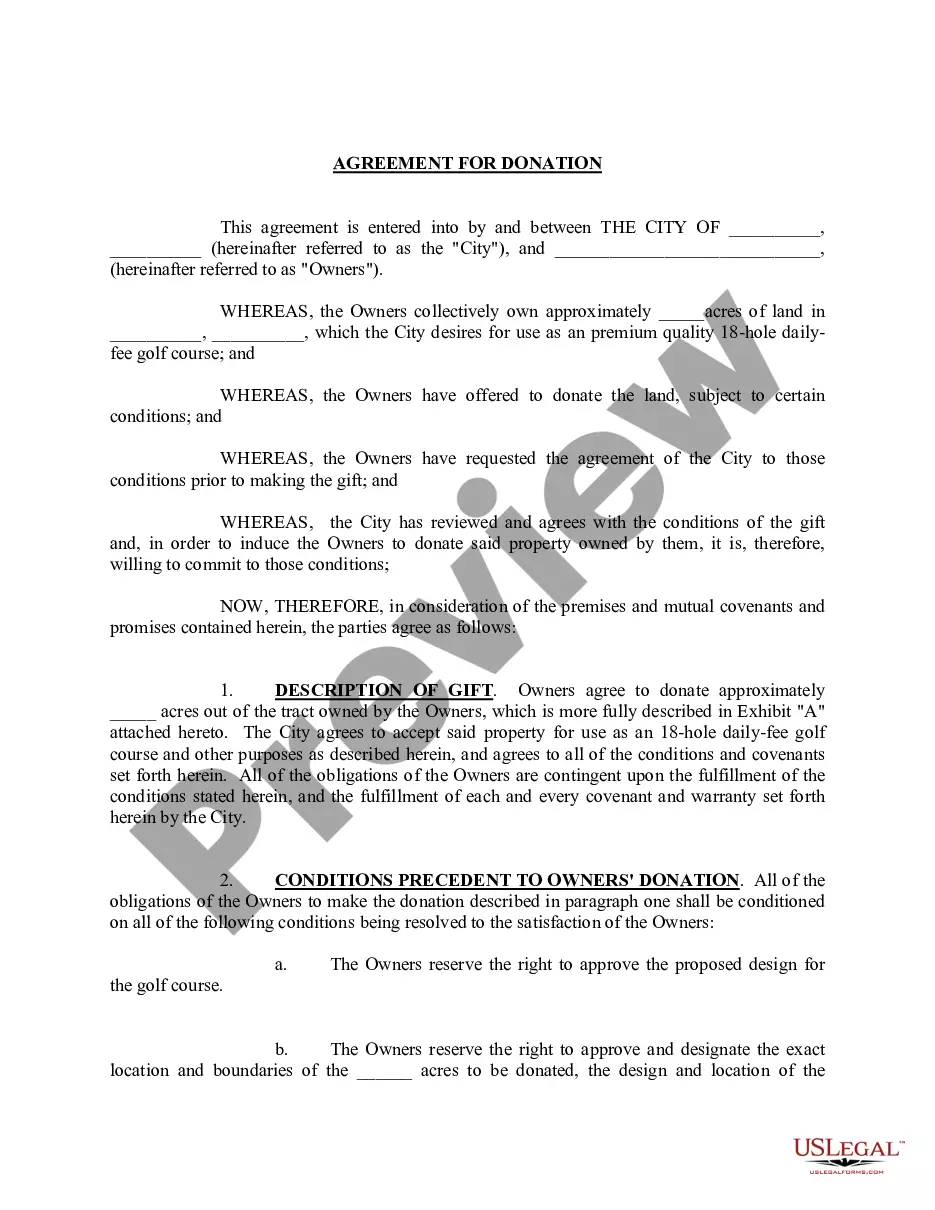
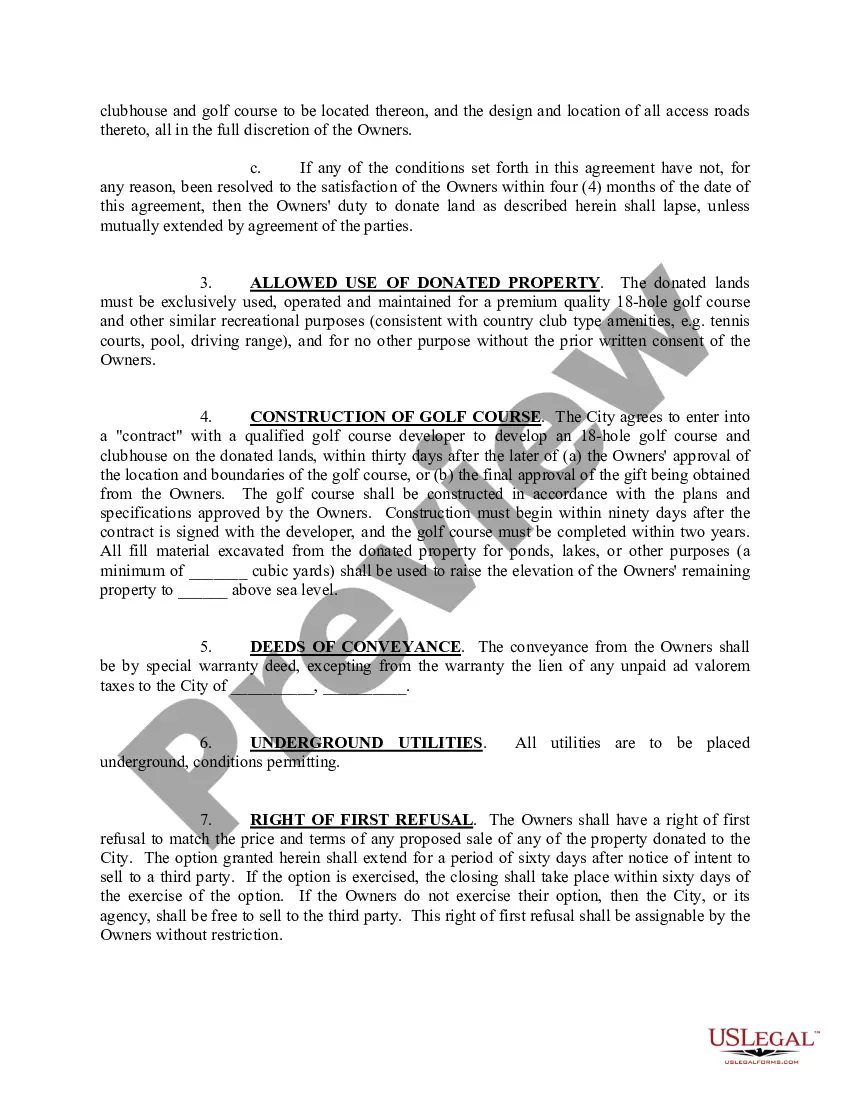
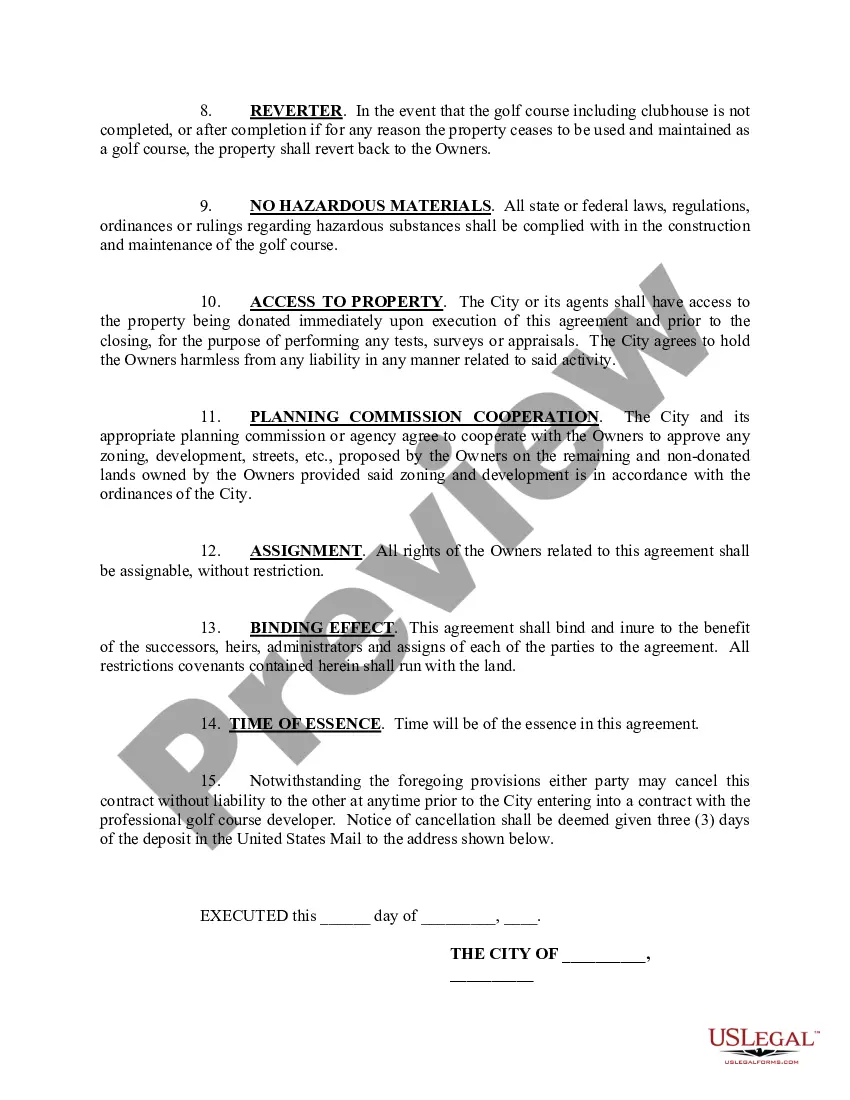
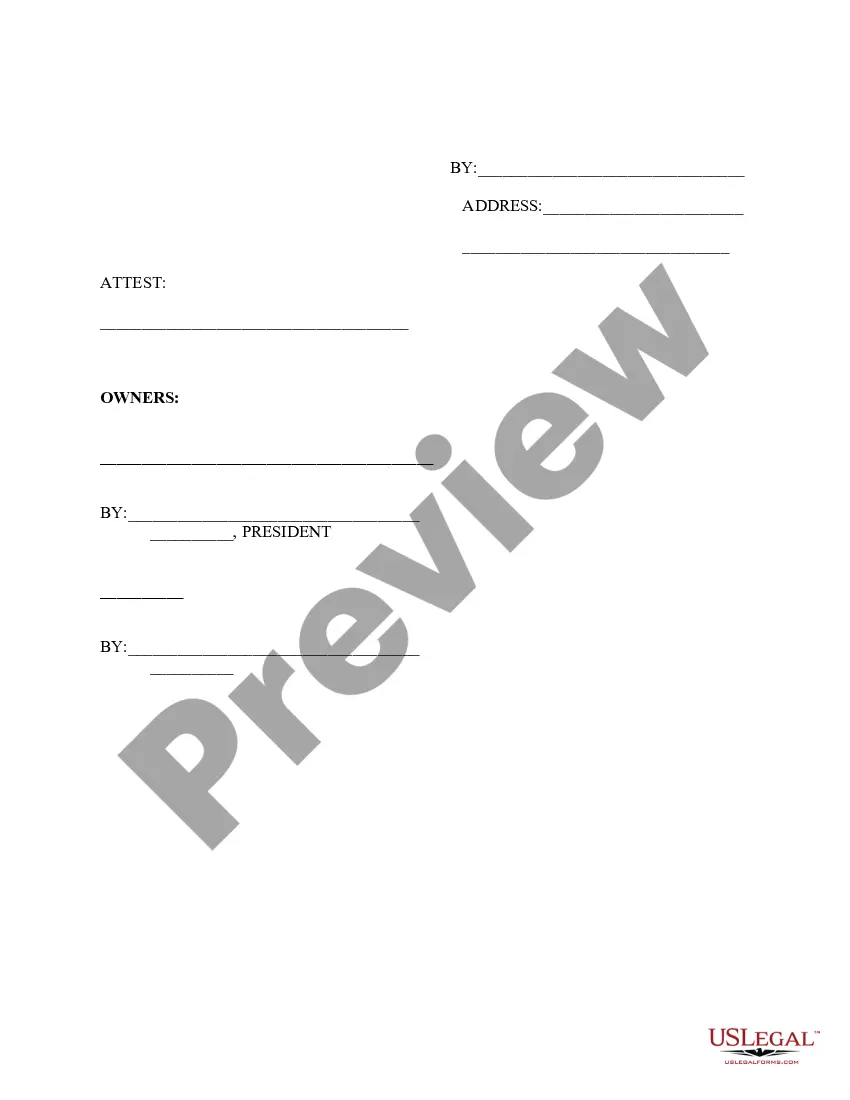
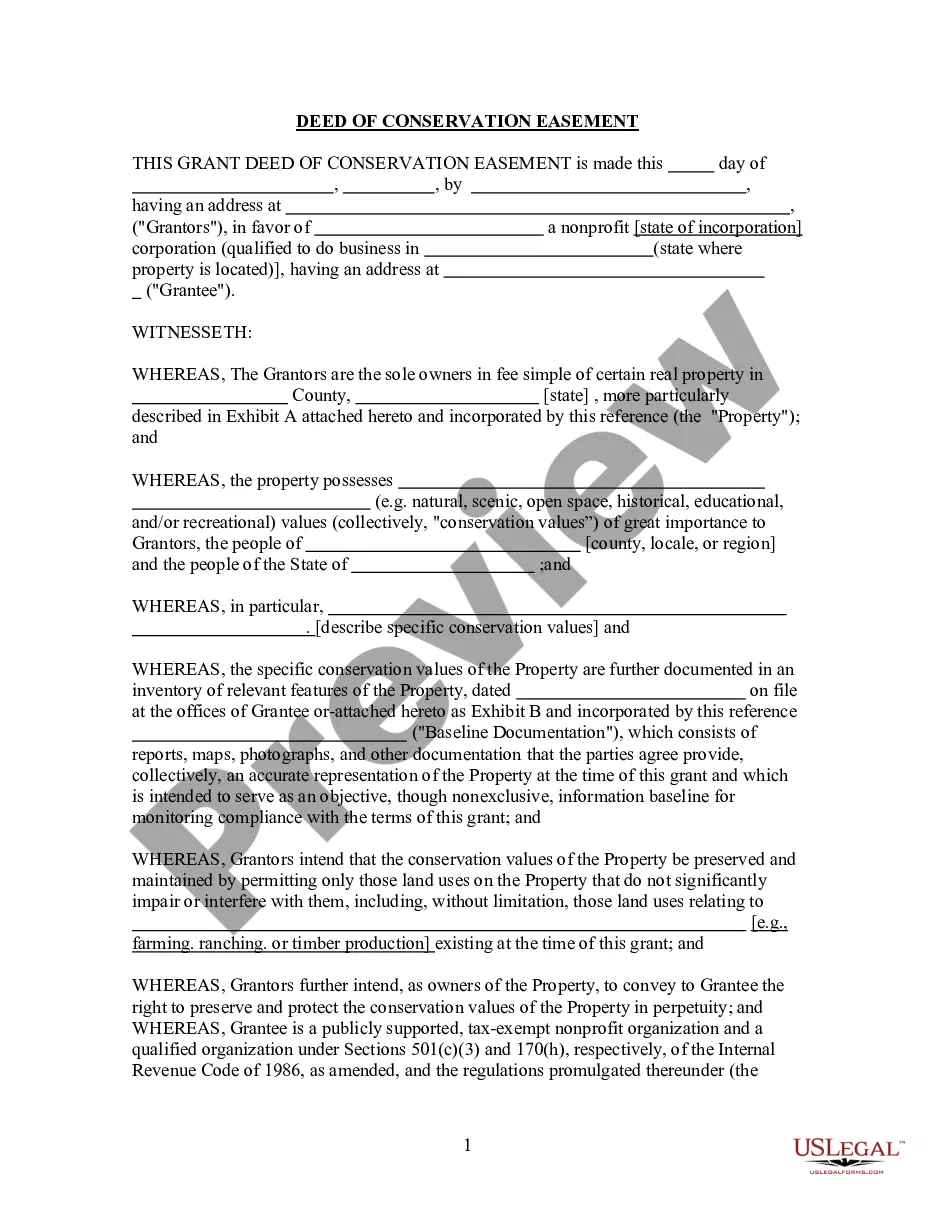
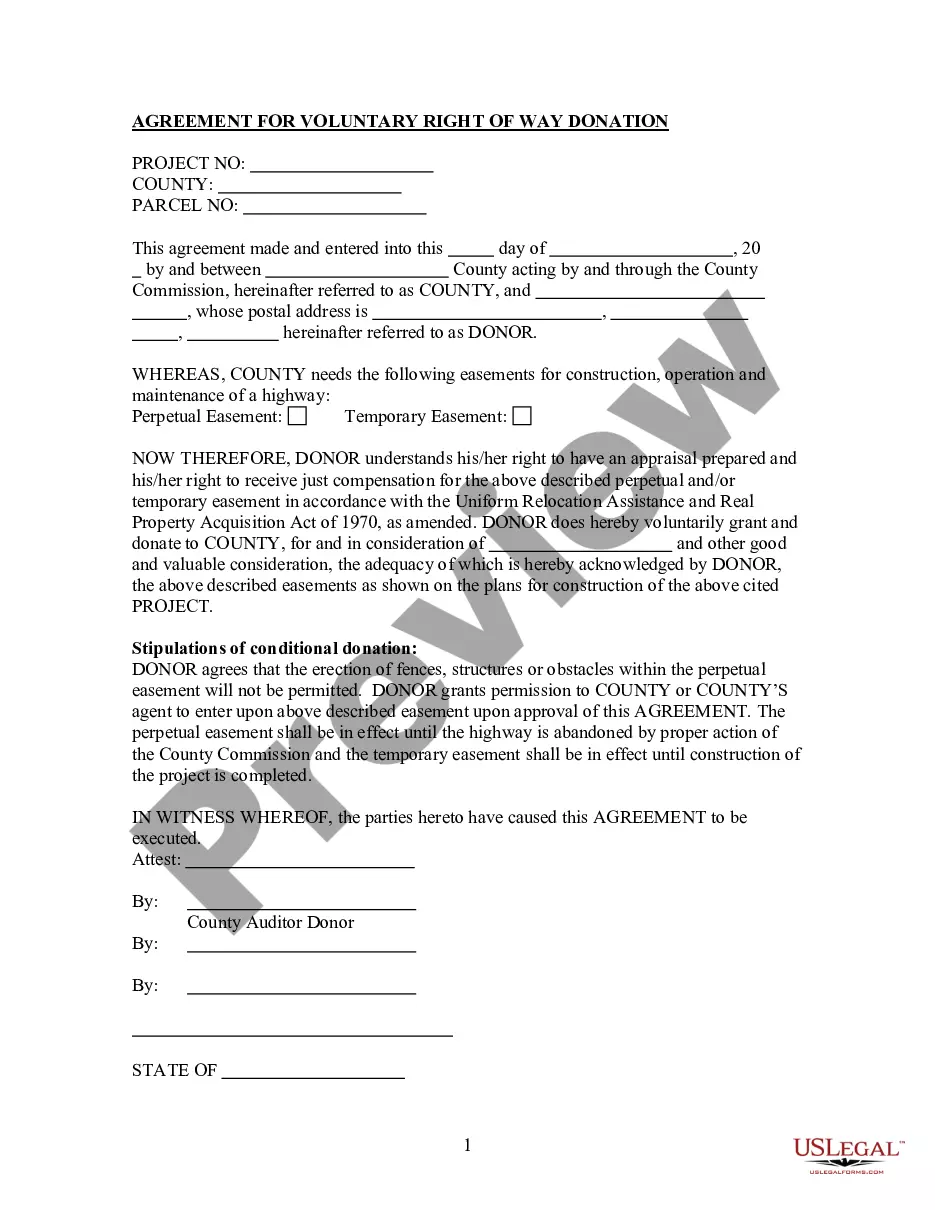
Get your form ready online
Our built-in tools help you complete, sign, share, and store your documents in one place.
Make edits, fill in missing information, and update formatting in US Legal Forms—just like you would in MS Word.
Download a copy, print it, send it by email, or mail it via USPS—whatever works best for your next step.
Sign and collect signatures with our SignNow integration. Send to multiple recipients, set reminders, and more. Go Premium to unlock E-Sign.
If this form requires notarization, complete it online through a secure video call—no need to meet a notary in person or wait for an appointment.
We protect your documents and personal data by following strict security and privacy standards.

Make edits, fill in missing information, and update formatting in US Legal Forms—just like you would in MS Word.

Download a copy, print it, send it by email, or mail it via USPS—whatever works best for your next step.

Sign and collect signatures with our SignNow integration. Send to multiple recipients, set reminders, and more. Go Premium to unlock E-Sign.

If this form requires notarization, complete it online through a secure video call—no need to meet a notary in person or wait for an appointment.

We protect your documents and personal data by following strict security and privacy standards.
Looking for another form?








Form popularity
FAQ
California law basically adopts the federal standards for tax deductions on gifts to charity. (See California Revenue and Tax Code § 17201.) One important difference is that California has a 50% limitation on charitable contributions based on federal AGI, as compared to a 60% limit under federal law.
Most nonprofits are 501(c)(3) organizations, which means they are formed for religious, charitable, scientific, literary, or educational purposes and are eligible for federal and state tax exemptions.
Come to RealEstateDonation to donate your California real estate, commercial property, industrial property, or vacant land. You can be assured you will receive higher tax deduction benefits and even higher benefits to California charitable organizations that are in desperate need of your support.
Citizens who wish to make a general donation to the U.S. government may send contributions to a specific account called "Gifts to the United States." This account was established in 1843 to accept gifts, such as bequests, from individuals wishing to express their patriotism to the United States.
Check Registration status Charities operating in California and telemarketers soliciting donations in California are required to register with the Attorney General's Registry of Charities and Fundraisers. They are also required to file annual financial reports.
Every charitable fundraising platform or platform charity operating in California must file a Form PL-4 with the Attorney General's Registry of Charities and Fundraisers to report on fundraising activities that occurred in the calendar year that is being reported on ("reporting year").
Contact land trusts and government agencies that work to assist landowners in your community who are interested in conservation. Get to know their policies and services, and discuss what you'd like to accomplish on your land and what rights you'd like to keep.
A conservation easement is just one of many options. You may also donate or sell property, donate or sell development rights, or do a bargain sale with a land trust. The opportunity of a permanent conservation easement can protect a family farm or ranch, allowing for future generations to continue in agriculture.
Landowners who want to protect their land well into the future can enter into a conservation easement with a land trust, government agency, tribe or other qualified organization. Conservation easements offer effective and flexible protection, and are one of the most frequently used tools for conserving private land.
Drawbacks Of Conservation Easements Most conservation easements are permanent and bind all future landowners (including heirs). Conservation easement holders and farmers may not always share a common vision. Conservation easements can reduce the property's overall value, making the land worth less for future sales.
