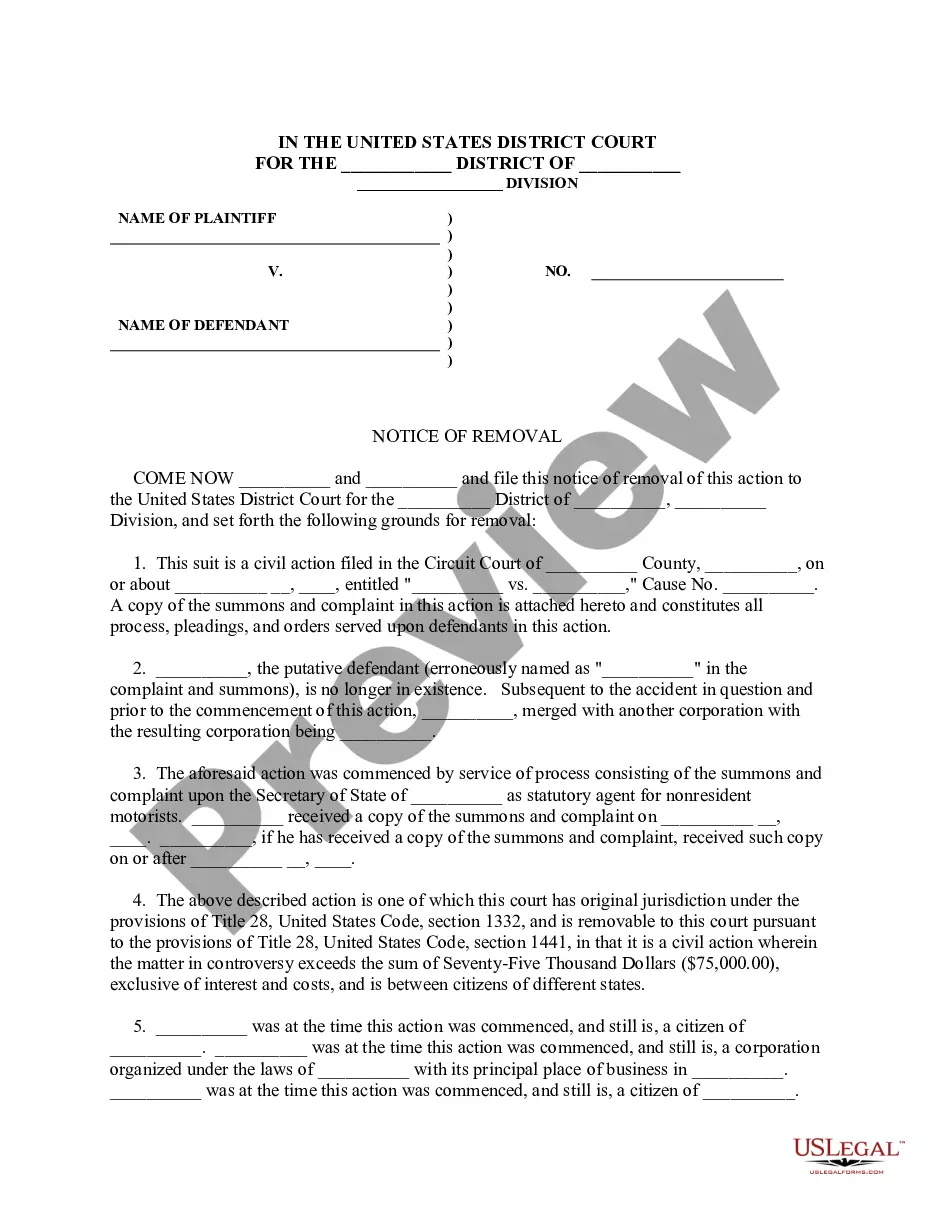
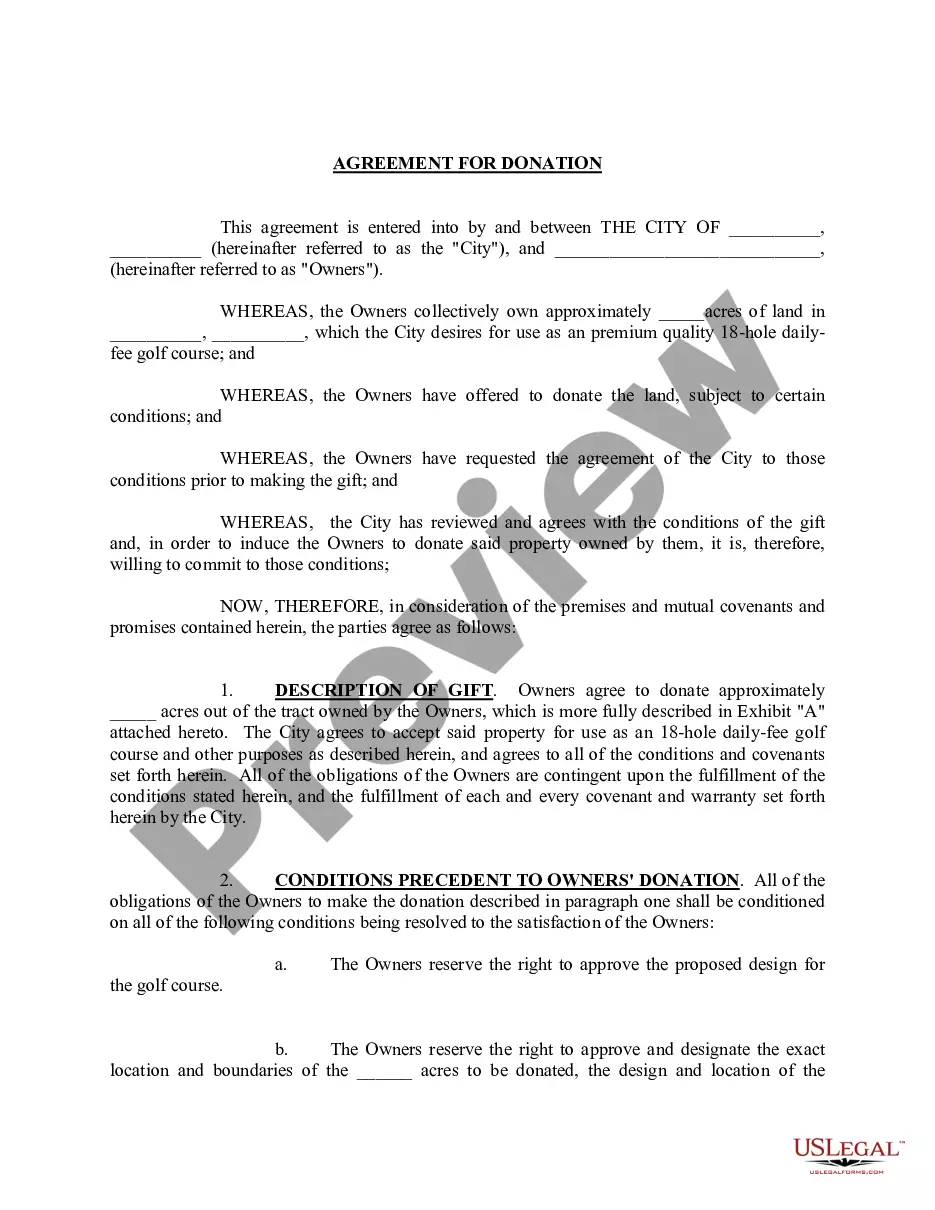
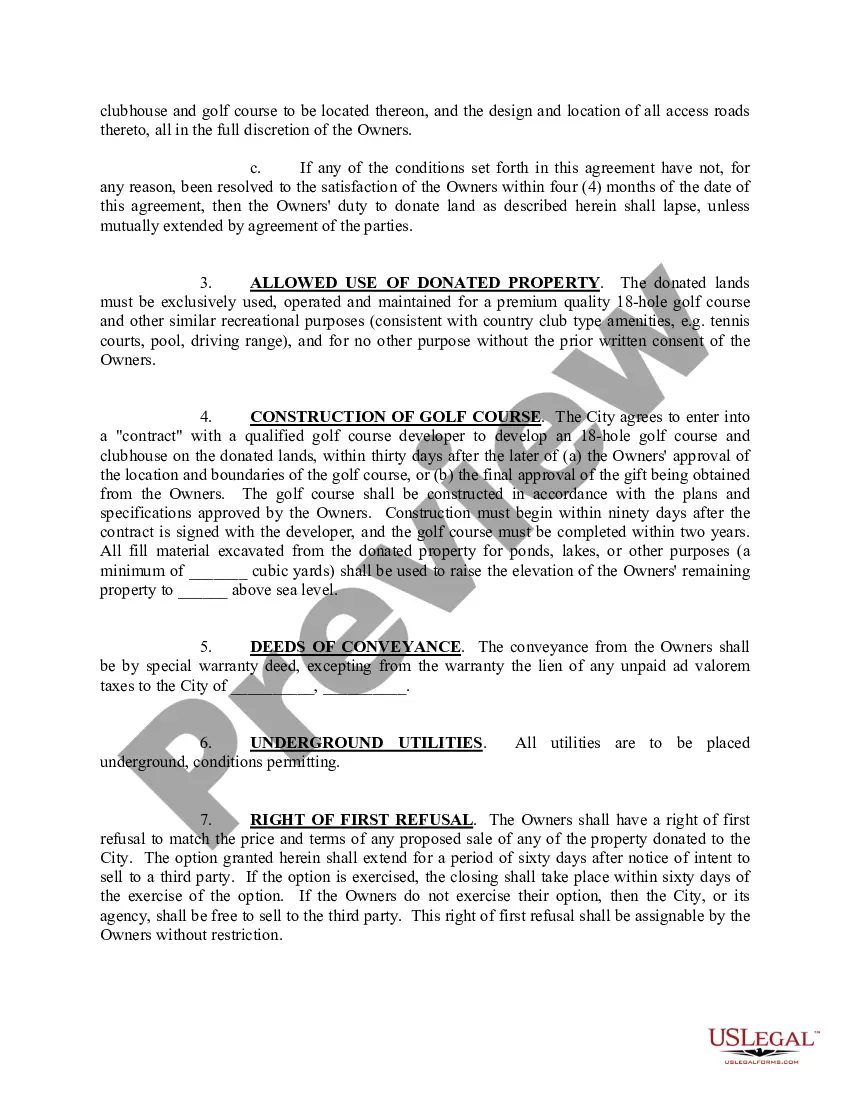
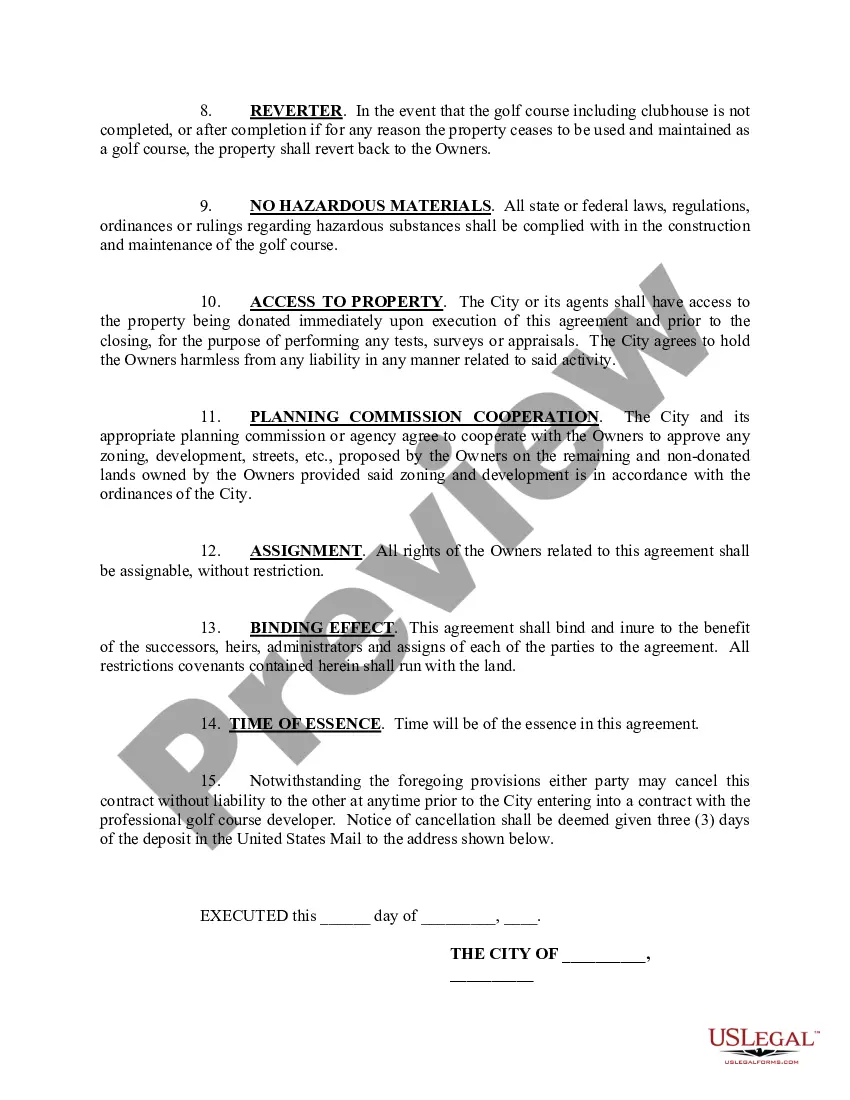
Land Donation For Taxes In Massachusetts
Description
Get your form ready online
Our built-in tools help you complete, sign, share, and store your documents in one place.
Make edits, fill in missing information, and update formatting in US Legal Forms—just like you would in MS Word.
Download a copy, print it, send it by email, or mail it via USPS—whatever works best for your next step.
Sign and collect signatures with our SignNow integration. Send to multiple recipients, set reminders, and more. Go Premium to unlock E-Sign.
If this form requires notarization, complete it online through a secure video call—no need to meet a notary in person or wait for an appointment.
We protect your documents and personal data by following strict security and privacy standards.

Make edits, fill in missing information, and update formatting in US Legal Forms—just like you would in MS Word.

Download a copy, print it, send it by email, or mail it via USPS—whatever works best for your next step.

Sign and collect signatures with our SignNow integration. Send to multiple recipients, set reminders, and more. Go Premium to unlock E-Sign.

If this form requires notarization, complete it online through a secure video call—no need to meet a notary in person or wait for an appointment.

We protect your documents and personal data by following strict security and privacy standards.
Looking for another form?


Form popularity
FAQ
Not only can you deduct the fair market value of what you give from your income taxes, you can also minimize capital gains tax of up to 20 percent.
Proof can be provided in the form of an official receipt or invoice from the receiving qualified charitable organization, but it can also be provided via credit card statements or other financial records detailing the donation.
Charitable contributions or donations can help taxpayers to lower their taxable income via a tax deduction. To claim a tax-deductible donation, you must itemize on your taxes. The amount of charitable donations you can deduct may range from 20% to 60% of your AGI.
If you give property to a qualified organization, you can generally deduct the fair market value (FMV) of the property at the time of the contribution.
Primary Requirements: Farm must be at least five (5) acres in size. Land has to have been actively devoted to agriculture for the two (2) immediately preceding tax years.
Massachusetts laws Includes clauses for real estate tax exemptions for blind persons, qualifying senior citizens, qualifying surviving spouses, minor children and elderly persons, qualifying veterans, and religious and charitable organizations.
Well, homeowners are allowed to deduct their property taxes, too. This includes the property taxes on your primary residence and those on vacation homes. As a homeowner in Massachusetts, it's crucial to understand that property taxes will be applicable at both state and local levels.
If you own a commercial farm, when purchasing specific items you automatically qualify for an exemption from the Massachusetts Sales Tax of 6.25%. How to Qualify: If you have a commercial farm, tax exempt status can be claimed by filling out a ST-12, downloadable here.
What is the State Charitable Tax Deduction? The State Charitable Deduction is a charitable contributions deduction that applies to all donations made from January 1, 2023—on. It includes all Massachusetts taxpayers, regardless of whether they itemize federally.