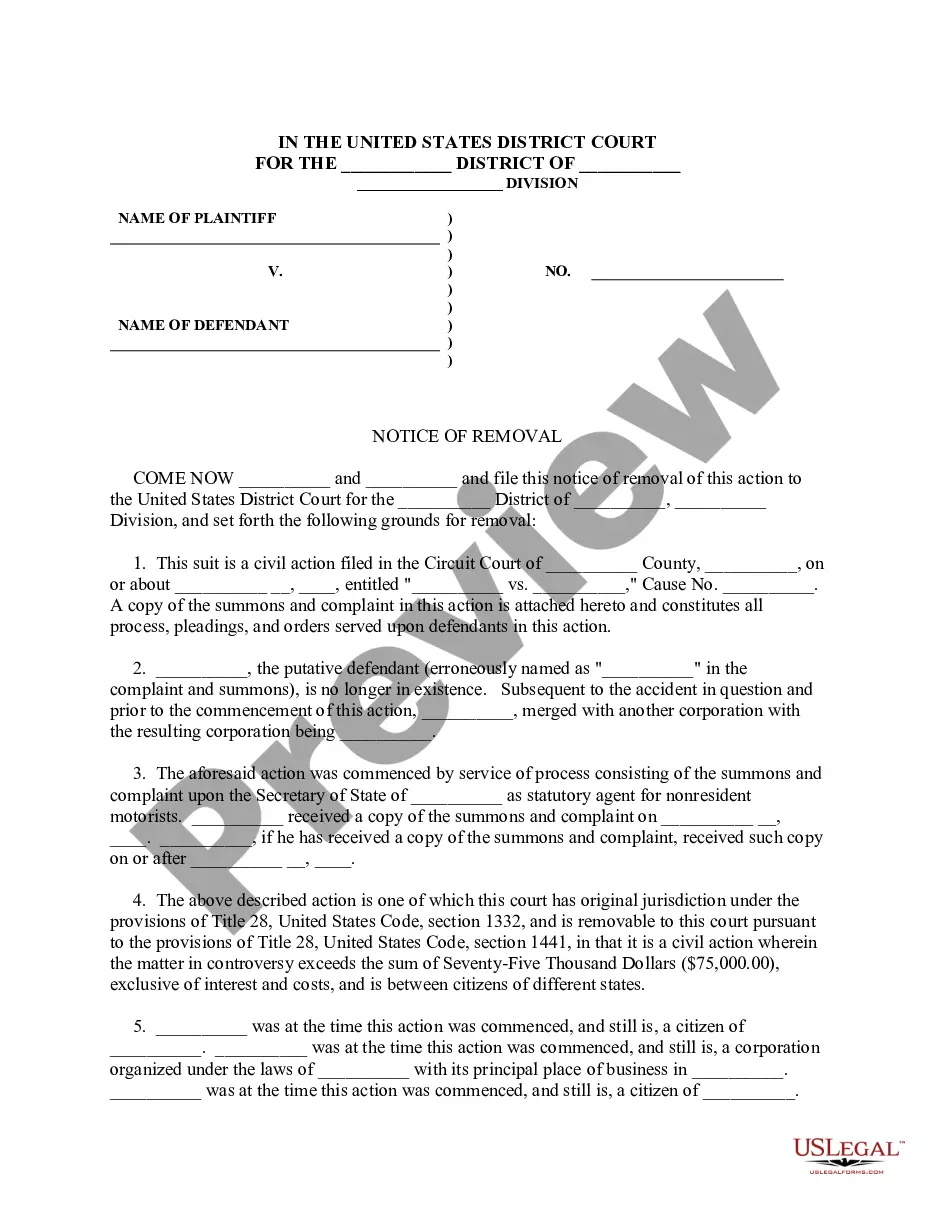
Land Donation For Taxes In Contra Costa
Description
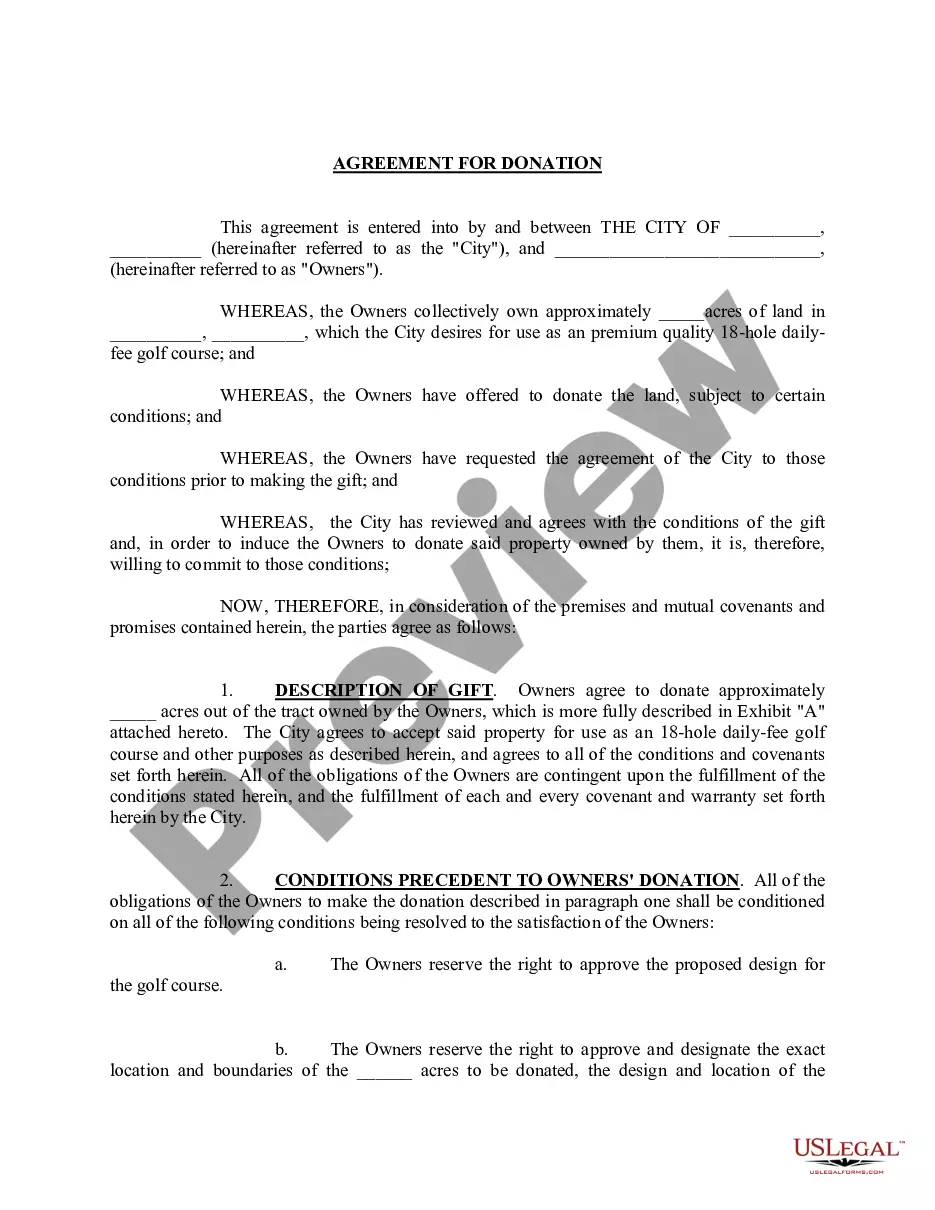
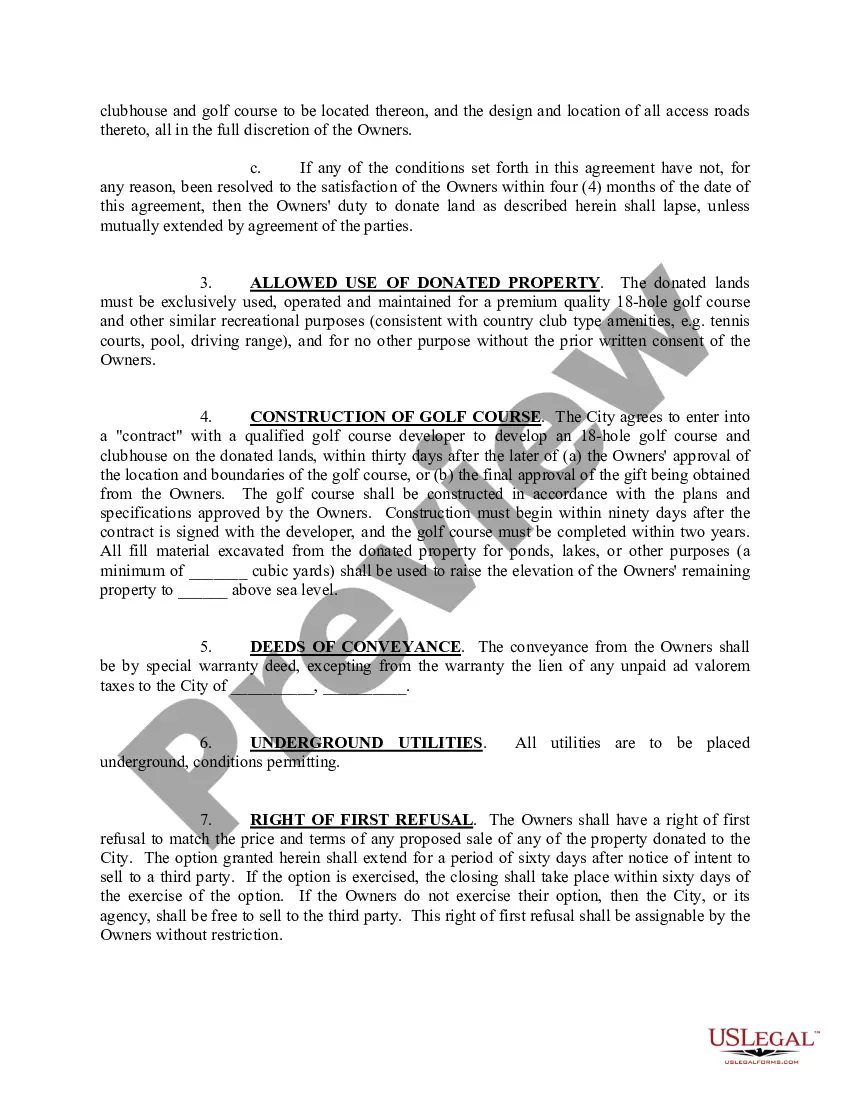
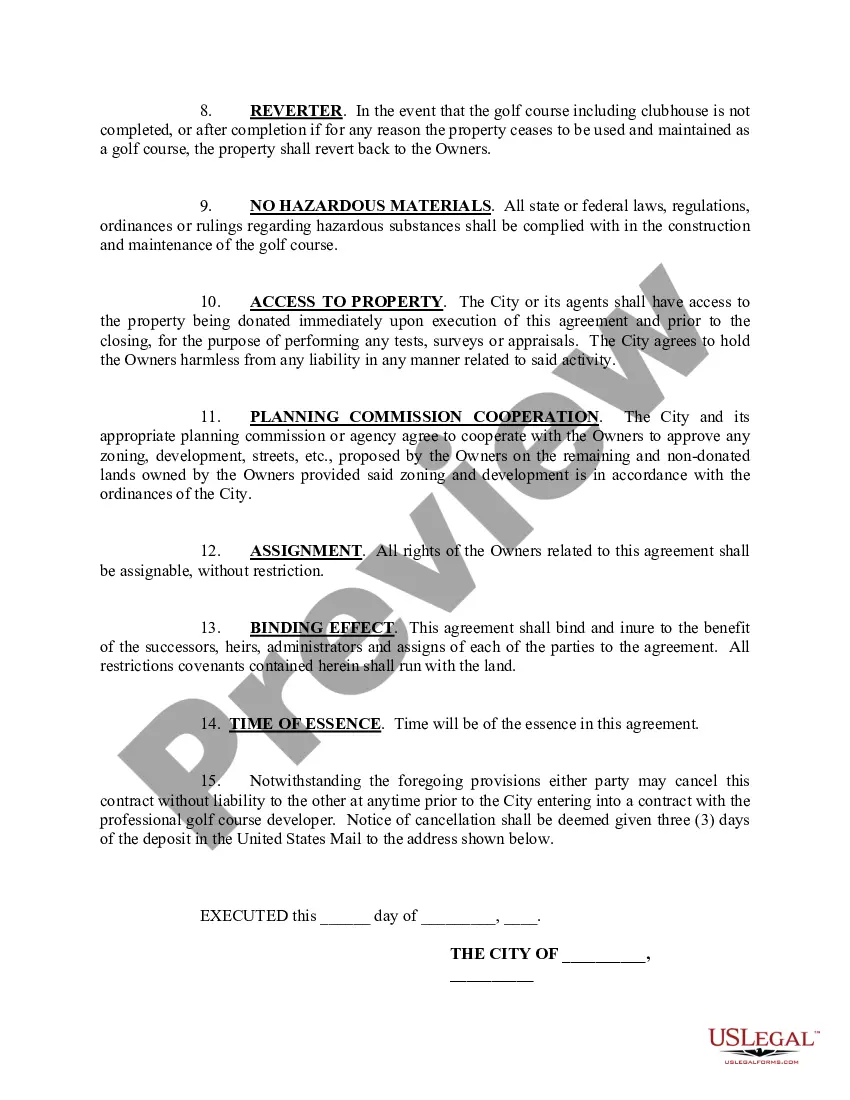
Get your form ready online
Our built-in tools help you complete, sign, share, and store your documents in one place.
Make edits, fill in missing information, and update formatting in US Legal Forms—just like you would in MS Word.
Download a copy, print it, send it by email, or mail it via USPS—whatever works best for your next step.
Sign and collect signatures with our SignNow integration. Send to multiple recipients, set reminders, and more. Go Premium to unlock E-Sign.
If this form requires notarization, complete it online through a secure video call—no need to meet a notary in person or wait for an appointment.
We protect your documents and personal data by following strict security and privacy standards.

Make edits, fill in missing information, and update formatting in US Legal Forms—just like you would in MS Word.

Download a copy, print it, send it by email, or mail it via USPS—whatever works best for your next step.

Sign and collect signatures with our SignNow integration. Send to multiple recipients, set reminders, and more. Go Premium to unlock E-Sign.

If this form requires notarization, complete it online through a secure video call—no need to meet a notary in person or wait for an appointment.

We protect your documents and personal data by following strict security and privacy standards.
Looking for another form?









Form popularity
FAQ
Individuals may deduct qualified contributions of up to 100 percent of their adjusted gross income. A corporation may deduct qualified contributions of up to 25 percent of its taxable income. Contributions that exceed that amount can carry over to the next tax year.
Ways to Invest in Tax Lien Properties in California Online tax lien auctions: Counties across the state frequently hold these auctions to sell liens on properties with unpaid taxes. Investors can register online, review the list of available properties, and place bids.
If you give property to a qualified organization, you can generally deduct the fair market value (FMV) of the property at the time of the contribution.
Certain properties, or portions of properties, are exempt from taxation under the California Constitution. The most common types are homeowner, disabled veterans, welfare, charitable, and institutional exemptions. Visit the Assessor's Exemption webpage for more information.
State Property Tax Postponement Program – Seniors The State Controller's Property Tax Postponement Program allows homeowners who are 62 and over and who meet other requirements to file for a postponement.
Income tax strategies—Donations to 501(c)(3) public charities qualify for an itemized deduction from income. Because the tax rate is then applied to a reduced income, this can minimize your overall tax liability.
Property taxes are based on the assessed value of your property. The Homeowners' Exemption reduces your property taxes by deducting $7,000 from your property's assessed value before applying the tax rate, and given the one percent statewide property tax rate, this generally equates to $70 in property tax savings.
1. Senior Citizen Homeowners' Property Tax Exemption. The Senior Citizen Homeowners' Property Tax Exemption is available to homeowners who are at least 65 years old and meet certain income requirements.
If you own and occupy your home as your principal place of residence on January 1, you may apply for an exemption of $7,000 off your assessed value for an annual savings of approximately $70 on your property taxes. New property owners will automatically receive an exemption application.