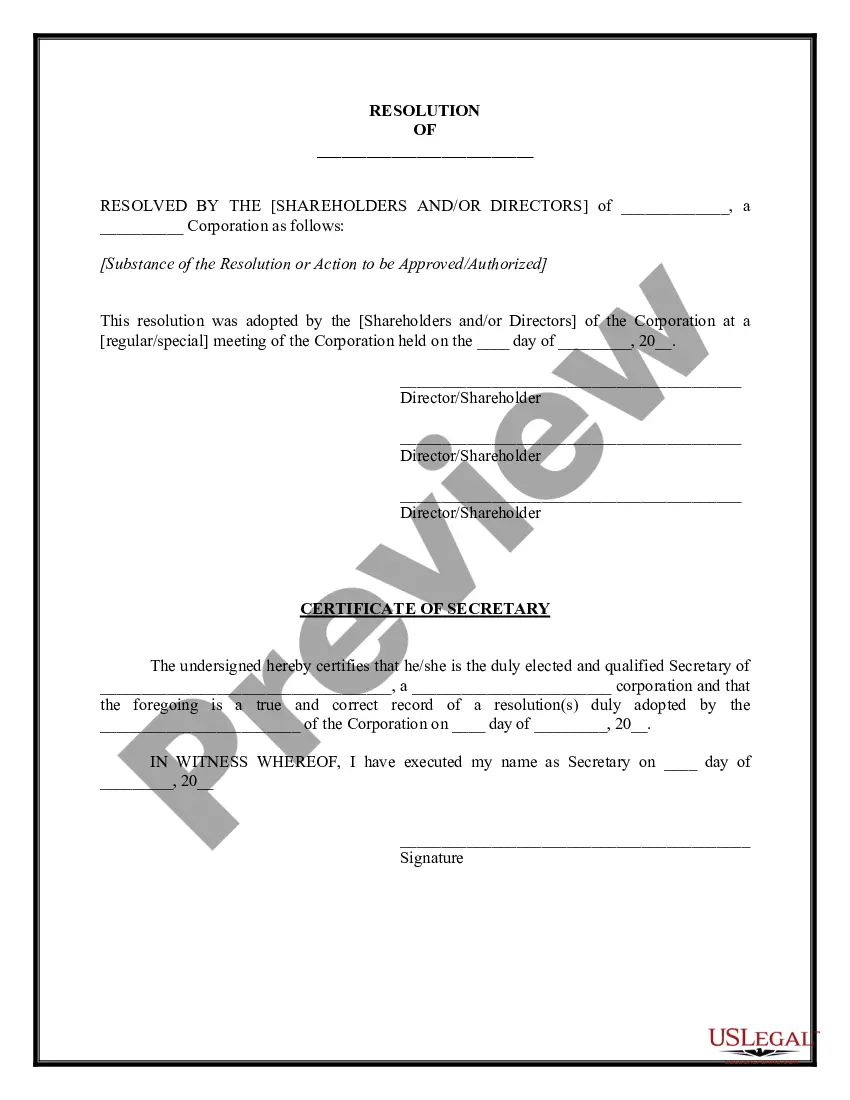
Board Directors Resolutions With Board Members In Orange
Description



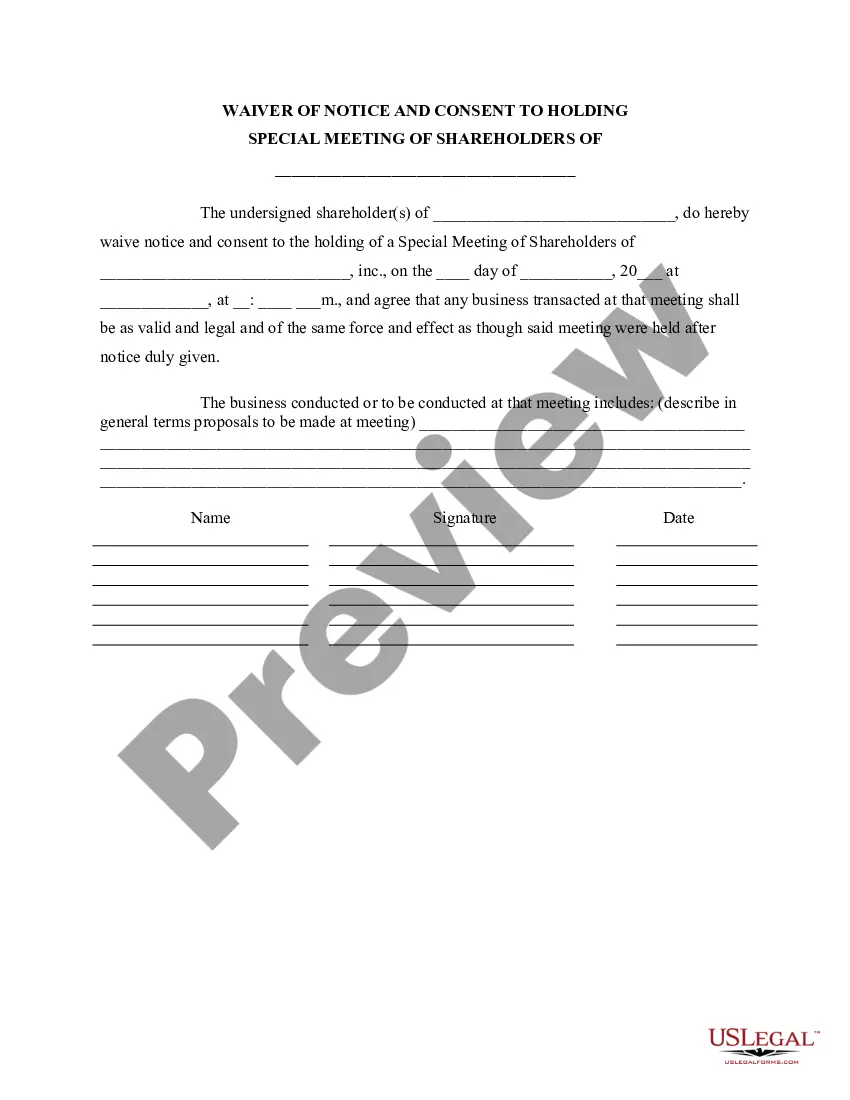
Get your form ready online
Our built-in tools help you complete, sign, share, and store your documents in one place.
Make edits, fill in missing information, and update formatting in US Legal Forms—just like you would in MS Word.
Download a copy, print it, send it by email, or mail it via USPS—whatever works best for your next step.
Sign and collect signatures with our SignNow integration. Send to multiple recipients, set reminders, and more. Go Premium to unlock E-Sign.
If this form requires notarization, complete it online through a secure video call—no need to meet a notary in person or wait for an appointment.
We protect your documents and personal data by following strict security and privacy standards.

Make edits, fill in missing information, and update formatting in US Legal Forms—just like you would in MS Word.

Download a copy, print it, send it by email, or mail it via USPS—whatever works best for your next step.

Sign and collect signatures with our SignNow integration. Send to multiple recipients, set reminders, and more. Go Premium to unlock E-Sign.

If this form requires notarization, complete it online through a secure video call—no need to meet a notary in person or wait for an appointment.

We protect your documents and personal data by following strict security and privacy standards.
Looking for another form?






Form popularity
FAQ
“RESOLVED FURTHER THAT, any one of the above officials of the Company/Bank/Cooperative Society/Trust/legal entity, be and is hereby authorized to do all such acts, deeds, things, sign all such papers, documents, power of attorneys, indemnities, correspondence and to do and perform all such acts, deeds and things and ...
In most organisations, Board resolutions are typically required for actions with significant financial consequences; a change in procedures, or a change in governance authority. Board resolutions are important for an organisation to keep a record of these crucial decisions made by the Board of directors.
Why is a board resolution required? Board resolutions formalize board decisions in writing and help to protect the board in case any of their actions or decisions are called into question by stakeholders or the courts.
When a board resolution is passed by a simple majority, it is called an ordinary resolution. Votes cast in favor are more than the ones against. A resolution with a majority of just over 50% of the quorum is considered passed. For example, 6 'yes' votes out of 10 are considered a majority.
The resolution then becomes part of the company's record and is legally binding. For this reason, boards should document meeting resolutions in their meeting minutes and store them in their board portal.
A board resolution is passed after gaining approval by a majority of board members with voting rights. Your organization's governing documents will determine the votes necessary to approve a resolution formally.
State laws under which a corporation is formed require that whenever a board of directors makes a decision or desires to take an action and it is voted on and approved by a majority of the board, a certified board resolution be created. This document is then made available to the public.
The title of the resolution must appropriately reflect the intent. Resolutions begin with "Whereas" statements, which provides the basic facts and reasons for the resolution, and conclude with "Resolved" statements which, identifies the specific proposal for the requestor's course of action.
Resolutions begin with "Whereas" statements, which provides the basic facts and reasons for the resolution, and conclude with "Resolved" statements which, identifies the specific proposal for the requestor's course of action.
How to write a board resolution Put the date and resolution number at the top. Give the resolution a title that relates to the decision. Use formal language. Continue writing out each critical statement. Wrap up the heart of the resolution in the last statement.