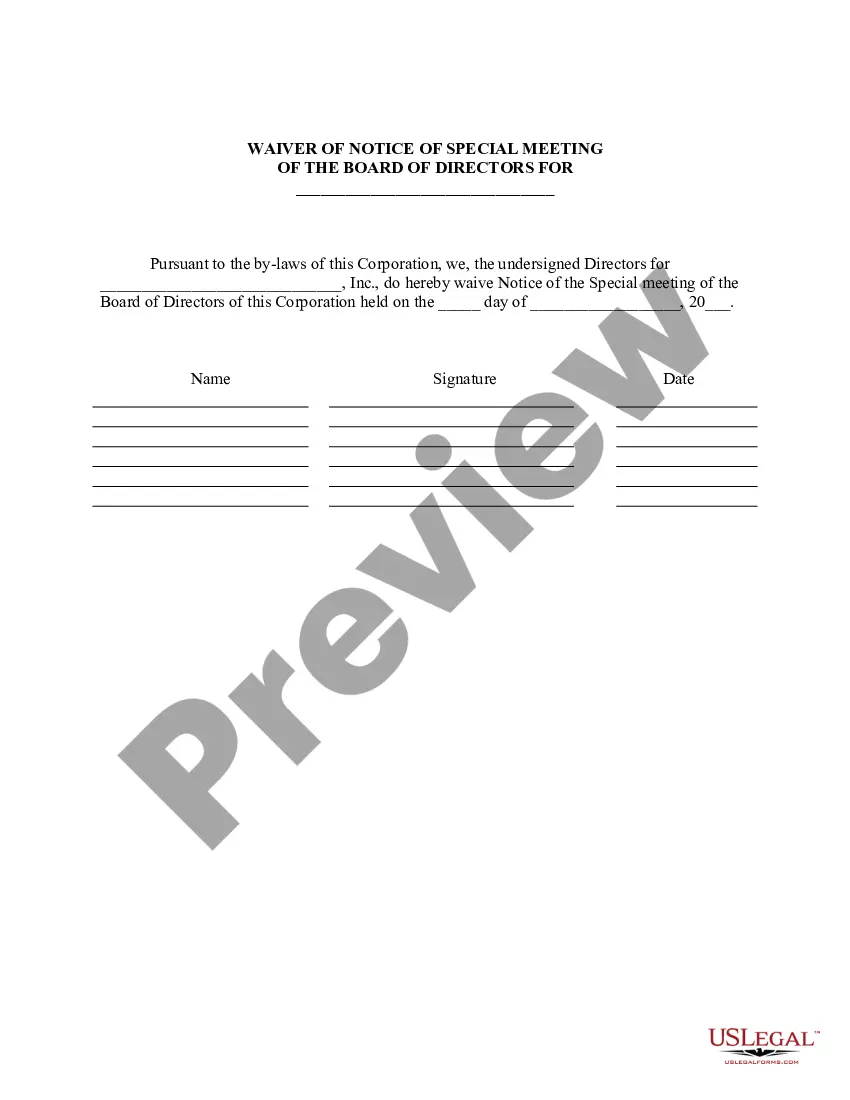
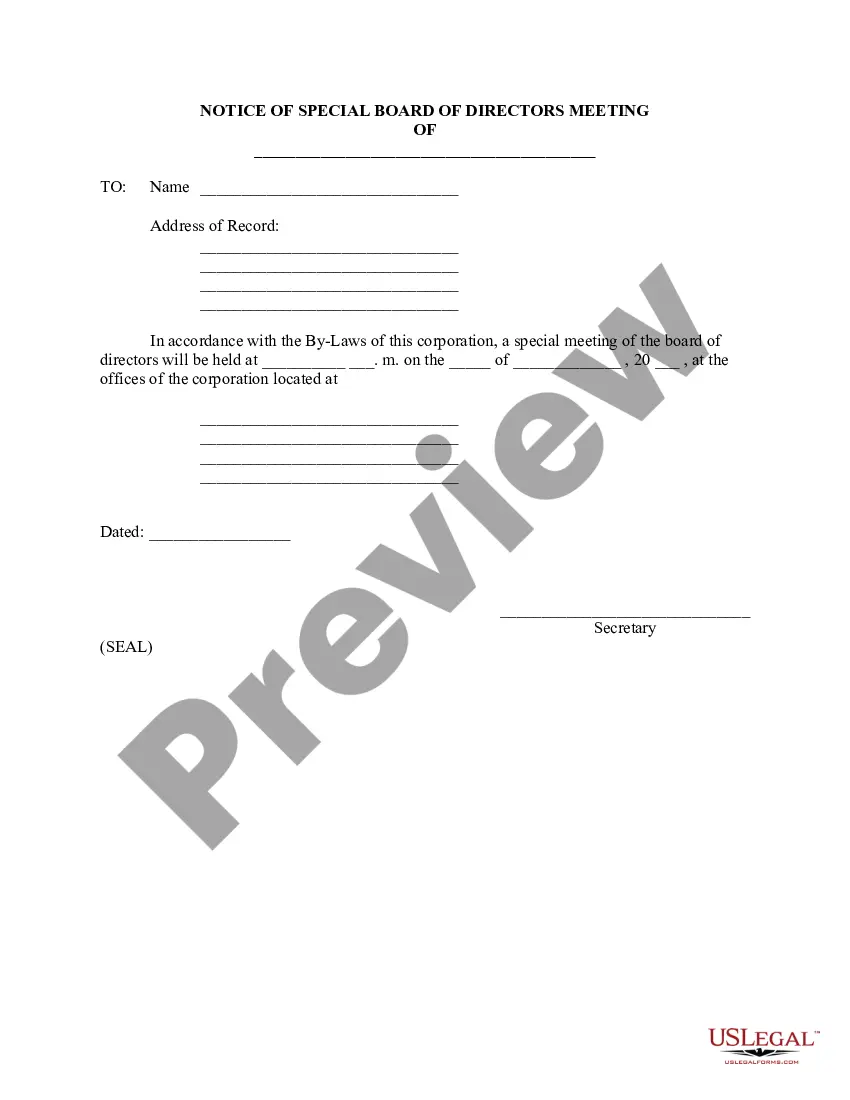
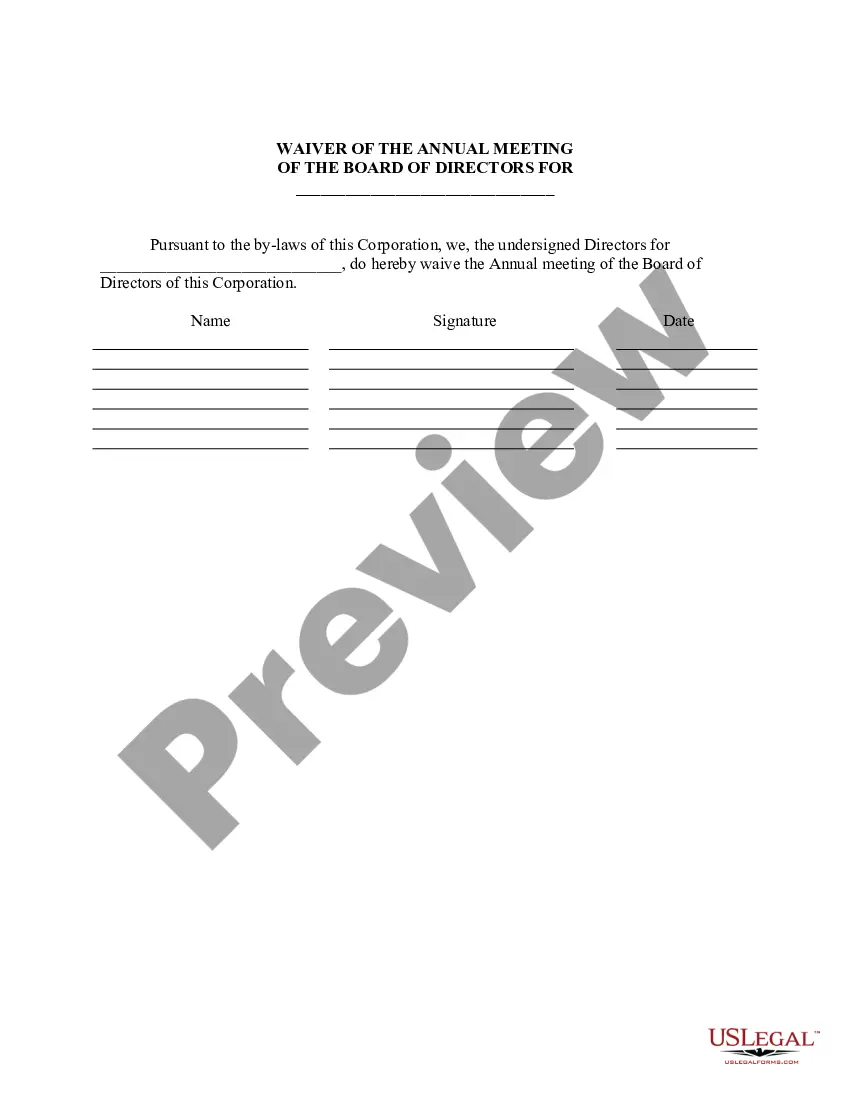
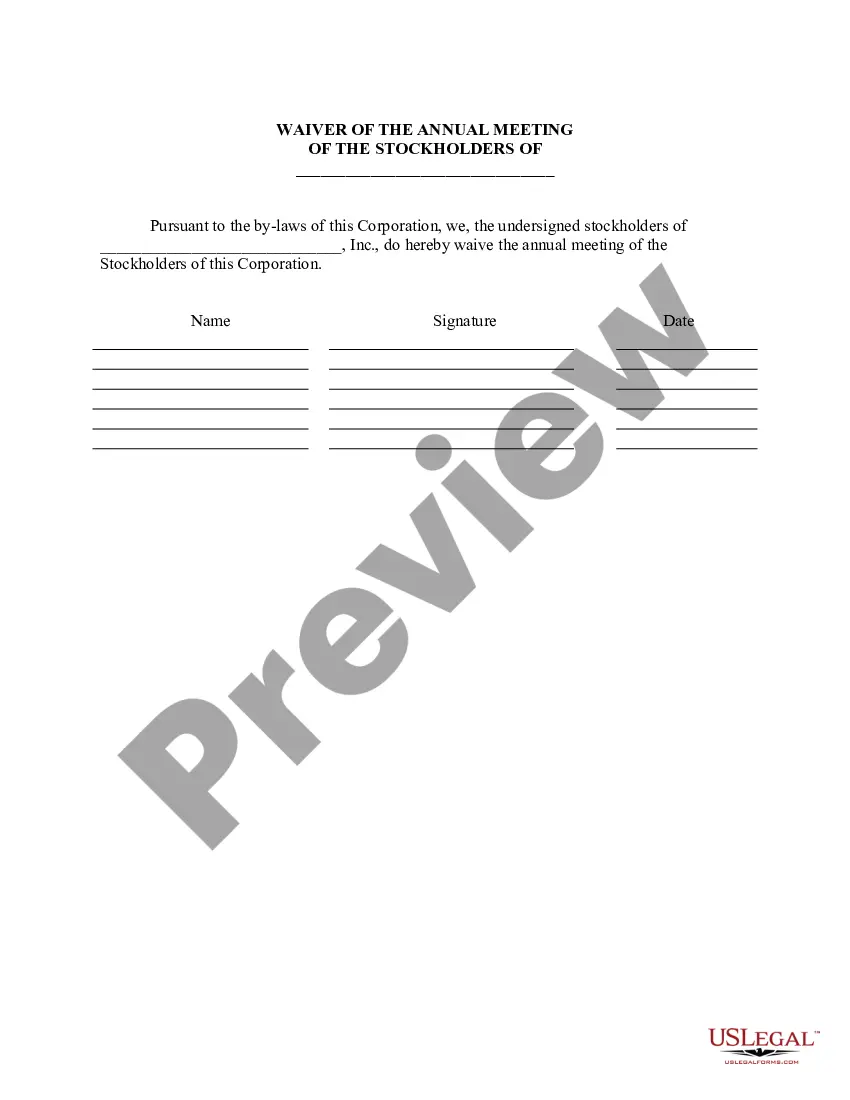
Board Meetings In Corporate Governance In Ohio
Description
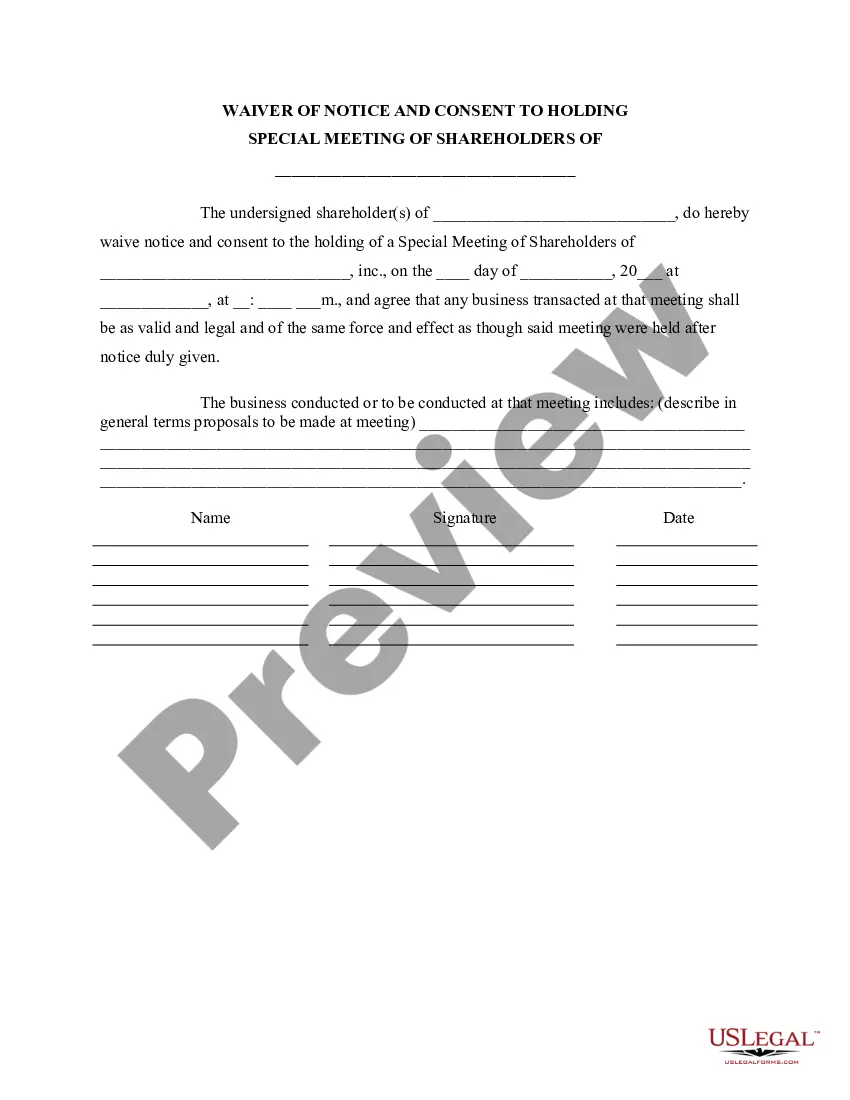
Get your form ready online
Our built-in tools help you complete, sign, share, and store your documents in one place.
Make edits, fill in missing information, and update formatting in US Legal Forms—just like you would in MS Word.
Download a copy, print it, send it by email, or mail it via USPS—whatever works best for your next step.
Sign and collect signatures with our SignNow integration. Send to multiple recipients, set reminders, and more. Go Premium to unlock E-Sign.
If this form requires notarization, complete it online through a secure video call—no need to meet a notary in person or wait for an appointment.
We protect your documents and personal data by following strict security and privacy standards.

Make edits, fill in missing information, and update formatting in US Legal Forms—just like you would in MS Word.

Download a copy, print it, send it by email, or mail it via USPS—whatever works best for your next step.

Sign and collect signatures with our SignNow integration. Send to multiple recipients, set reminders, and more. Go Premium to unlock E-Sign.

If this form requires notarization, complete it online through a secure video call—no need to meet a notary in person or wait for an appointment.

We protect your documents and personal data by following strict security and privacy standards.
Looking for another form?
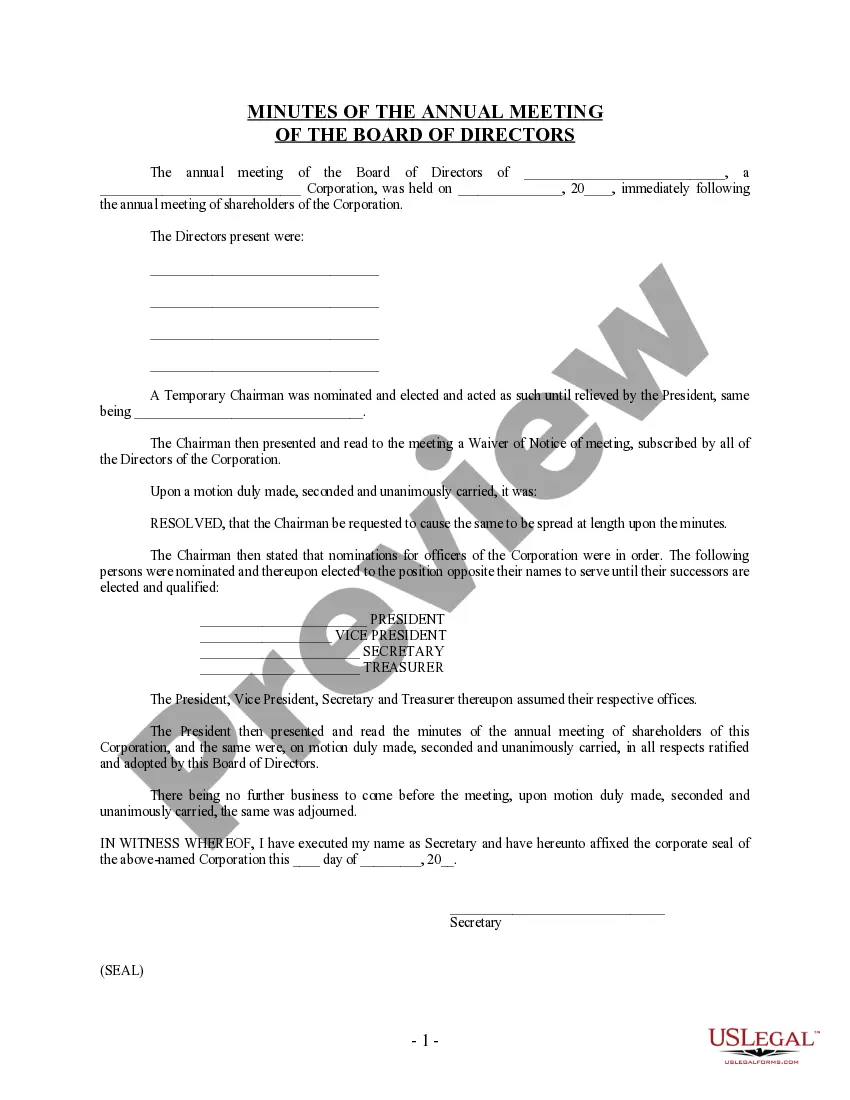
Form popularity
FAQ
Most board meeting agendas follow a classic meeting structure: Calling meeting to order – ensure you have quorum. Approve the agenda and prior board meeting minutes. Executive and committee reports – allow 25% of time here for key topic discussion. Old/new/other business. Close the meeting and adjourn.
A Board Meeting is a formal meeting of the board of directors of an organization and any invited guests, held at definite intervals and as needed to review performance, consider policy issues, address major problems and perform the legal business of the board.
In the context of corporate governance, it refers to committees made up of members of the board with specified sets of duties. The four committees most often appointed by public companies are the audit committee, the remuneration committee, the nominations committee and the risk committee.
Board meeting definition A board meeting is a regular formal gathering of a board of directors in order to discuss strategic matters of a company. This includes the corporate policies and issues, company performance reports and future endeavors.
It is the core activity in corporate governance, from which most other directors' duties originate. Typically held at fixed intervals, these meetings are essential for decision-making and compliance with legal and regulatory responsibilities.
The board has a fiduciary duty to make decisions and take actions in the interest of shareholders and stakeholders. It operates independently of management and focuses on a company's major issues rather than its day-to-day operations.
A Board Meeting is a formal meeting of the board of directors of an organization and any invited guests, held at definite intervals and as needed to review performance, consider policy issues, address major problems and perform the legal business of the board.
In India, there are 5 mandatory Board level committees – Audit Committee, Nomination and Remuneration Committee, Stakeholders Relationship Committee, Risk Management Committee and Corporate Social Responsibility Committee. Management is involved in the day-to-day functioning of a company.
In general, the role of the board is to provide high-level oversight of corporate activities and performance, while some individual board members may take on more involved or activist roles.