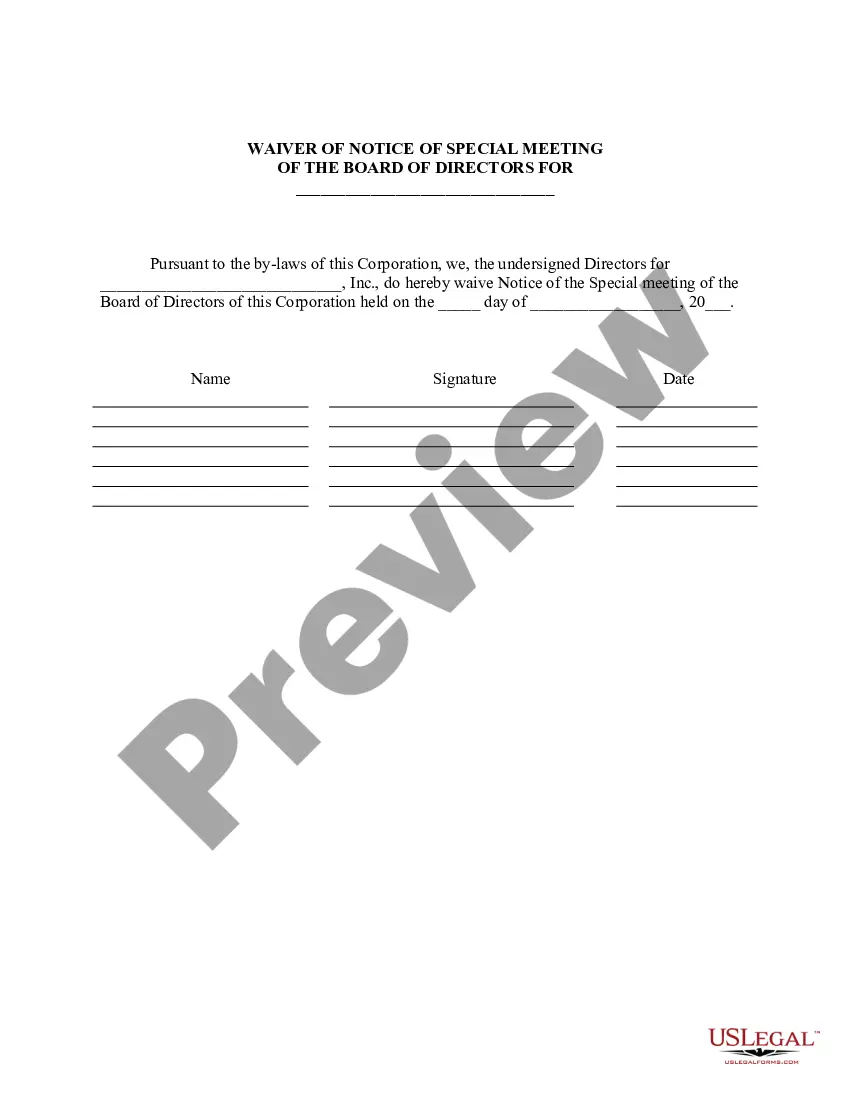
Board Meetings In Corporate Governance In Minnesota
Description
Get your form ready online
Our built-in tools help you complete, sign, share, and store your documents in one place.
Make edits, fill in missing information, and update formatting in US Legal Forms—just like you would in MS Word.
Download a copy, print it, send it by email, or mail it via USPS—whatever works best for your next step.
Sign and collect signatures with our SignNow integration. Send to multiple recipients, set reminders, and more. Go Premium to unlock E-Sign.
If this form requires notarization, complete it online through a secure video call—no need to meet a notary in person or wait for an appointment.
We protect your documents and personal data by following strict security and privacy standards.

Make edits, fill in missing information, and update formatting in US Legal Forms—just like you would in MS Word.

Download a copy, print it, send it by email, or mail it via USPS—whatever works best for your next step.

Sign and collect signatures with our SignNow integration. Send to multiple recipients, set reminders, and more. Go Premium to unlock E-Sign.

If this form requires notarization, complete it online through a secure video call—no need to meet a notary in person or wait for an appointment.

We protect your documents and personal data by following strict security and privacy standards.
Looking for another form?

Form popularity
FAQ
How to develop an effective governance model Step 1: Get the right people on board. Step 2: Define and agree the board's role. Step 3: Employ and support a chief executive. Step 4: Provide strategic leadership. Step 5: Make board meetings count and involve the right people.
How to run a Project Governance meeting Define the meeting's purpose and agenda. Invite relevant stakeholders and ensure their availability. Prepare and distribute meeting materials in advance, including the agenda, minutes of the previous meeting, and project status reports.
Essentially, the meeting protocol is a template workflow from calling the meeting to signing off the minutes from the previous meeting. The technical details that must be met to ensure the board can make its decisions. This could be the minimum number of members required for a quorum or the type of majority needed.
The following steps to running a board meeting are: Recognizing a quorum. Calling the meeting to order. Approving the agenda and minutes. Allowing for communication and reports. Addressing old/new/other business. Closing the meeting.
Process Check-In Round. Call out distractions, get present for the meeting. One person speaks at a time, without discussion. Building the Agenda. This step starts with building an agenda of tensions to process — one or two words per item, no discussion. Closing Round. The Facilitator calls on every meeting participant.
Keep Meetings Organized and Focused Your committee members each have a lot on their plates, but maintaining focus on the overarching mission is key to maximizing effectiveness. The agenda for each meeting should be based on the committee's charter, which is its official purpose statement.
◦ Begin discussion ◦ Everything directed to the Chair, not to each other ◦ Keep a running list of those wishing to speak to the motion ◦ Ensure that the discussion doesn't become cyclical and comments aren't repeated ◦ Give room to both sides of the discussion - actively call for contrasting viewpoints ◦ Procedures/ ...
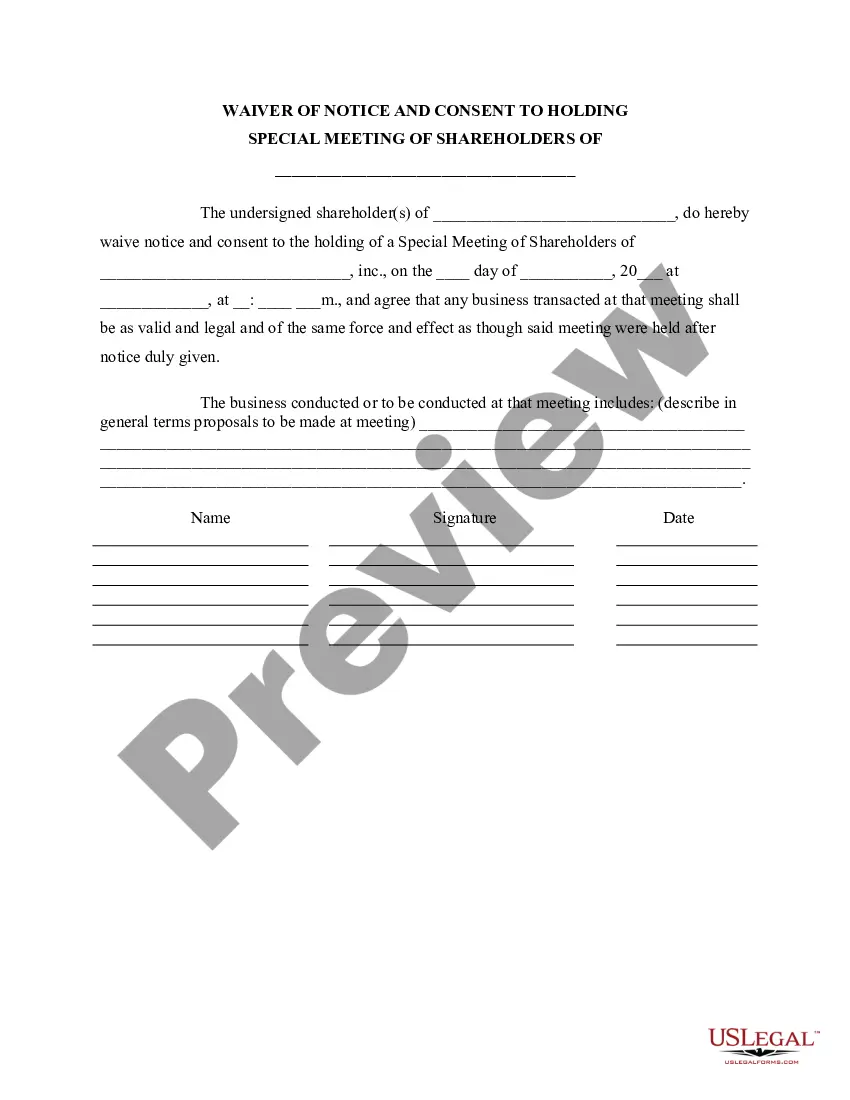
Notice is hereby given that a meeting of the Board of Directors of the (Company Name) will be held at (Time) on (Day of the Week), the (Date in words) at (Board Meeting Address), to interalia consider the following business as under:-. 3.
Before the board meeting – checklist for meeting preparation Step 1: send notice & determine meeting requirements. Step 2: develop the agenda. Step 3: confirm attendance & arrange travel plans or easy online meeting access. Step 4: finalize the agenda. Step 5: prepare & distribute board meeting materials.
Ing to Section 174 of Companies Act, 2013, the minimum number of members of the board required for a meeting is 1/3rd of a total number of directors. At any rate, a minimum of two directors must be present. However, in the case of One Person Company, the rules of Section 174, do not apply.