Consumer Protection Agency For Texas In Illinois
Description
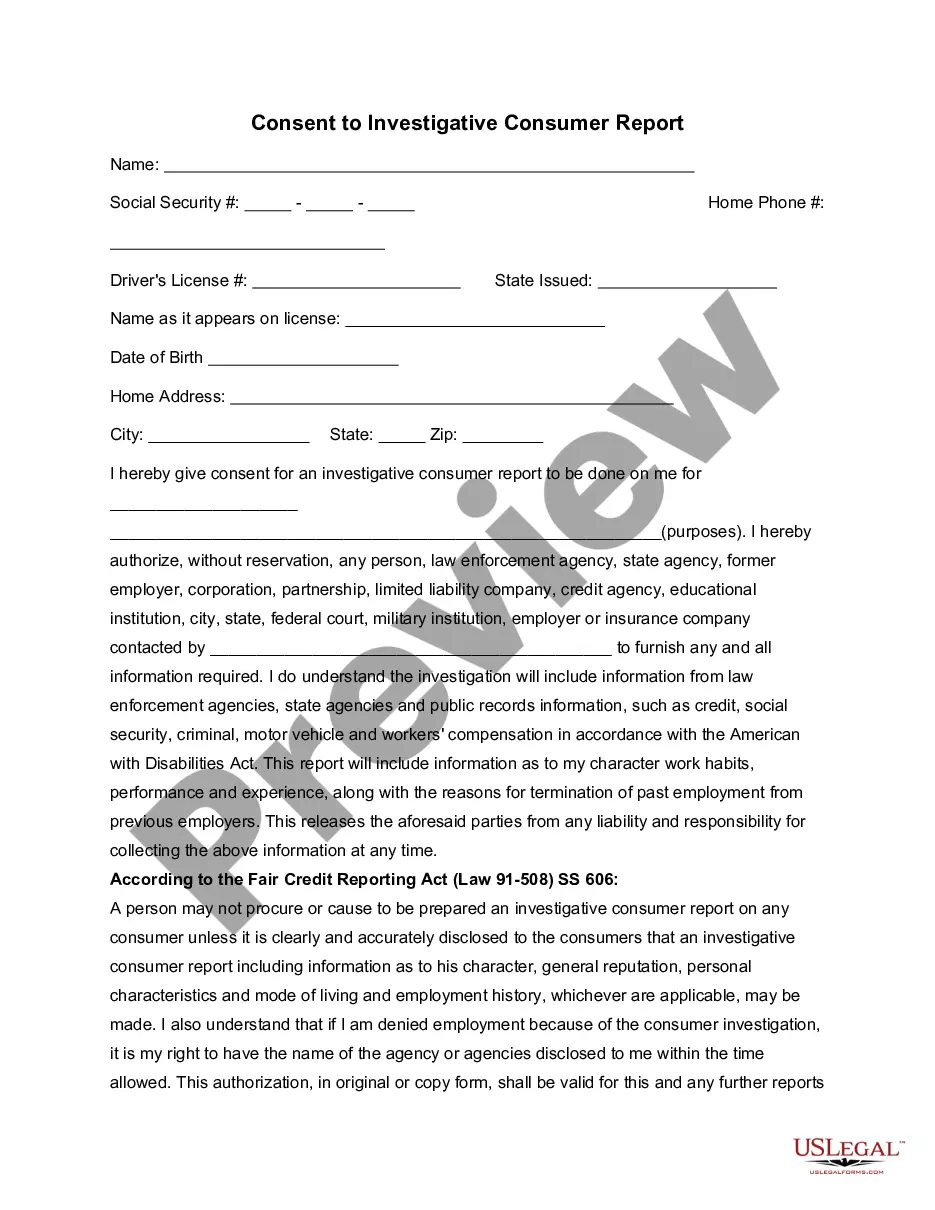

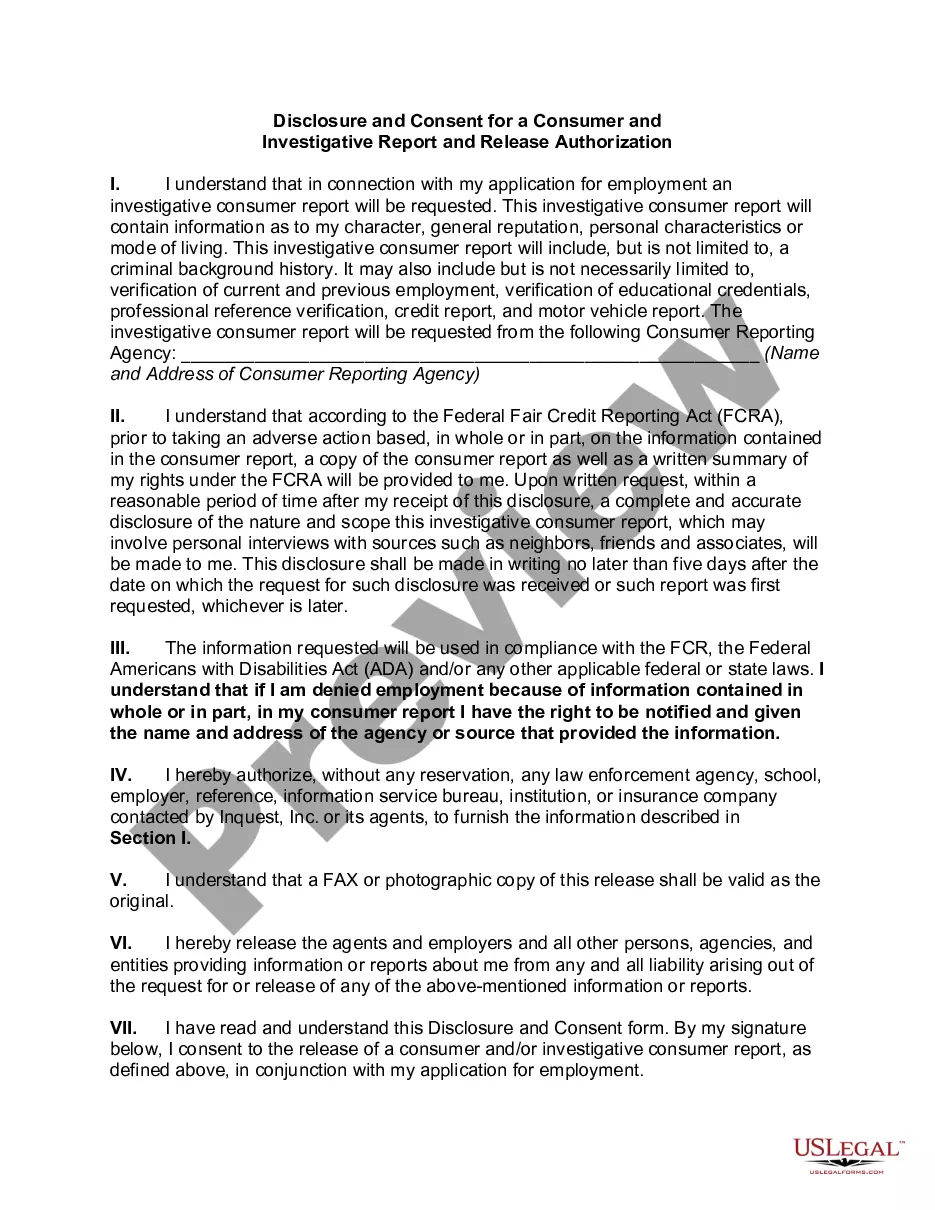
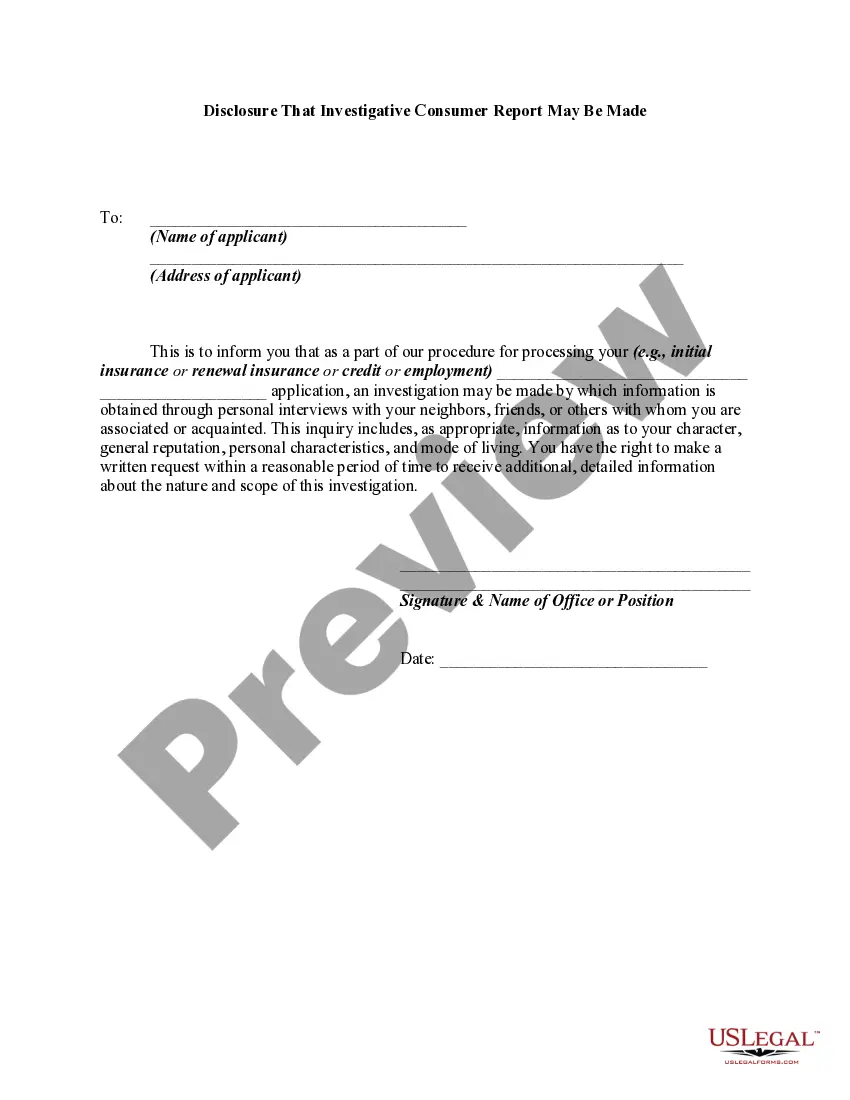
Get your form ready online
Our built-in tools help you complete, sign, share, and store your documents in one place.
Make edits, fill in missing information, and update formatting in US Legal Forms—just like you would in MS Word.
Download a copy, print it, send it by email, or mail it via USPS—whatever works best for your next step.
Sign and collect signatures with our SignNow integration. Send to multiple recipients, set reminders, and more. Go Premium to unlock E-Sign.
If this form requires notarization, complete it online through a secure video call—no need to meet a notary in person or wait for an appointment.
We protect your documents and personal data by following strict security and privacy standards.

Make edits, fill in missing information, and update formatting in US Legal Forms—just like you would in MS Word.

Download a copy, print it, send it by email, or mail it via USPS—whatever works best for your next step.

Sign and collect signatures with our SignNow integration. Send to multiple recipients, set reminders, and more. Go Premium to unlock E-Sign.

If this form requires notarization, complete it online through a secure video call—no need to meet a notary in person or wait for an appointment.

We protect your documents and personal data by following strict security and privacy standards.
Looking for another form?

Form popularity
FAQ
The primary tool the Office of the Attorney General uses to protect Texas consumers is the Deceptive Trade Practices Act (DTPA). This law lists many practices that are false, deceptive, or misleading. When you fall victim to illegal practices covered by the DTPA, you may have the right to sue for damages under the act.
File Your Complaint Online File Your Complaint Online. Pick the complaint form that addresses your problem: General Complaint Form. For complaints about false, misleading, or deceptive business practices. File A Complaint By Mail. Your Complaint Is Public. Frequently Asked Questions. Consumer Rights.
The Act prohibits the use of any deception, fraud, false pretenses or promises, concealment, suppression, or omission of any fact that is material to a business dealing or transaction. Consumers may bring a claim under the Act even if they were not in fact misled, deceived, or even damaged by the wrongful conduct.
The FTC's Bureau of Consumer Protection stops unfair, deceptive and fraudulent business practices by: collecting complaints and conducting investigations. suing companies and people that break the law. developing rules to maintain a fair marketplace.
Attorney General Kwame Raoul's Consumer Protection Division protects Illinois consumers and businesses from fraud, deception, and unfair business practices.
Illinois Attorney General: The Attorney General works to protect consumers and businesses that have been victimized by fraud, deception and unfair competition. It has bureaus that focus on the following areas: Consumer Fraud, Charitable Trusts, Franchises, Health Care and Military/Veterans Rights.
Here is a summary of the main government agencies that accept consumer complaints: DepartmentHelpful Link Texas Attorney General File a Complaint Texas Department of Licensing & Regulation File a Complaint Office of Consumer Credit Commissioner File a Complaint Call (800) 538-1579 or send an email.
We protect Texas consumers by accepting complaints, filing civil cases in the public interest and educating Texans on how to spot and avoid possible scams.
Attorney General Ken Paxton is the lawyer for the State of Texas and is charged by the Texas Constitution to: defend the laws and the Constitution of the State of Texas. represent the State in litigation. approve public bond issues.
