Retirement Law In The Philippines In Suffolk
Description
















Get your form ready online
Our built-in tools help you complete, sign, share, and store your documents in one place.
Make edits, fill in missing information, and update formatting in US Legal Forms—just like you would in MS Word.
Download a copy, print it, send it by email, or mail it via USPS—whatever works best for your next step.
Sign and collect signatures with our SignNow integration. Send to multiple recipients, set reminders, and more. Go Premium to unlock E-Sign.
If this form requires notarization, complete it online through a secure video call—no need to meet a notary in person or wait for an appointment.
We protect your documents and personal data by following strict security and privacy standards.

Make edits, fill in missing information, and update formatting in US Legal Forms—just like you would in MS Word.

Download a copy, print it, send it by email, or mail it via USPS—whatever works best for your next step.

Sign and collect signatures with our SignNow integration. Send to multiple recipients, set reminders, and more. Go Premium to unlock E-Sign.

If this form requires notarization, complete it online through a secure video call—no need to meet a notary in person or wait for an appointment.

We protect your documents and personal data by following strict security and privacy standards.
Looking for another form?
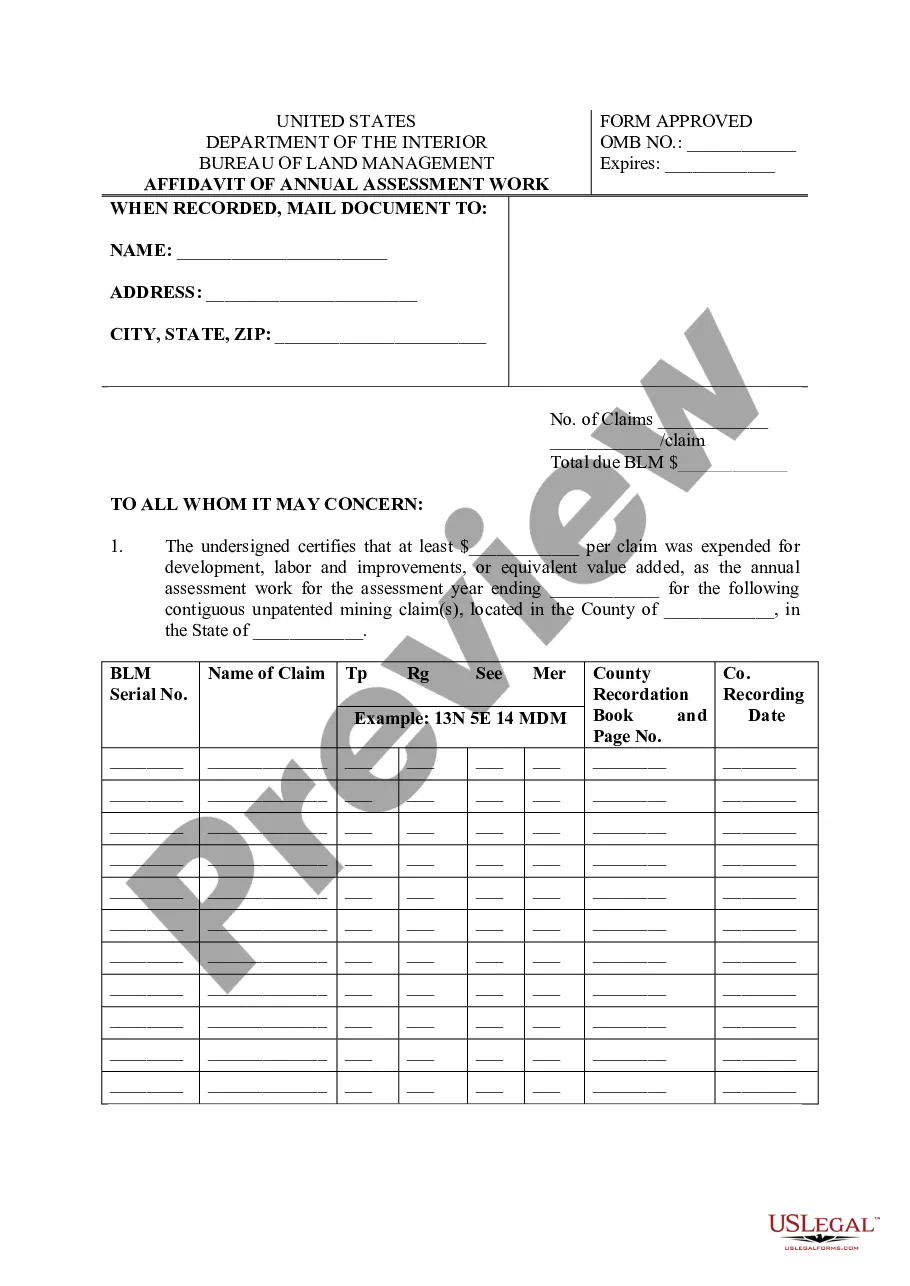
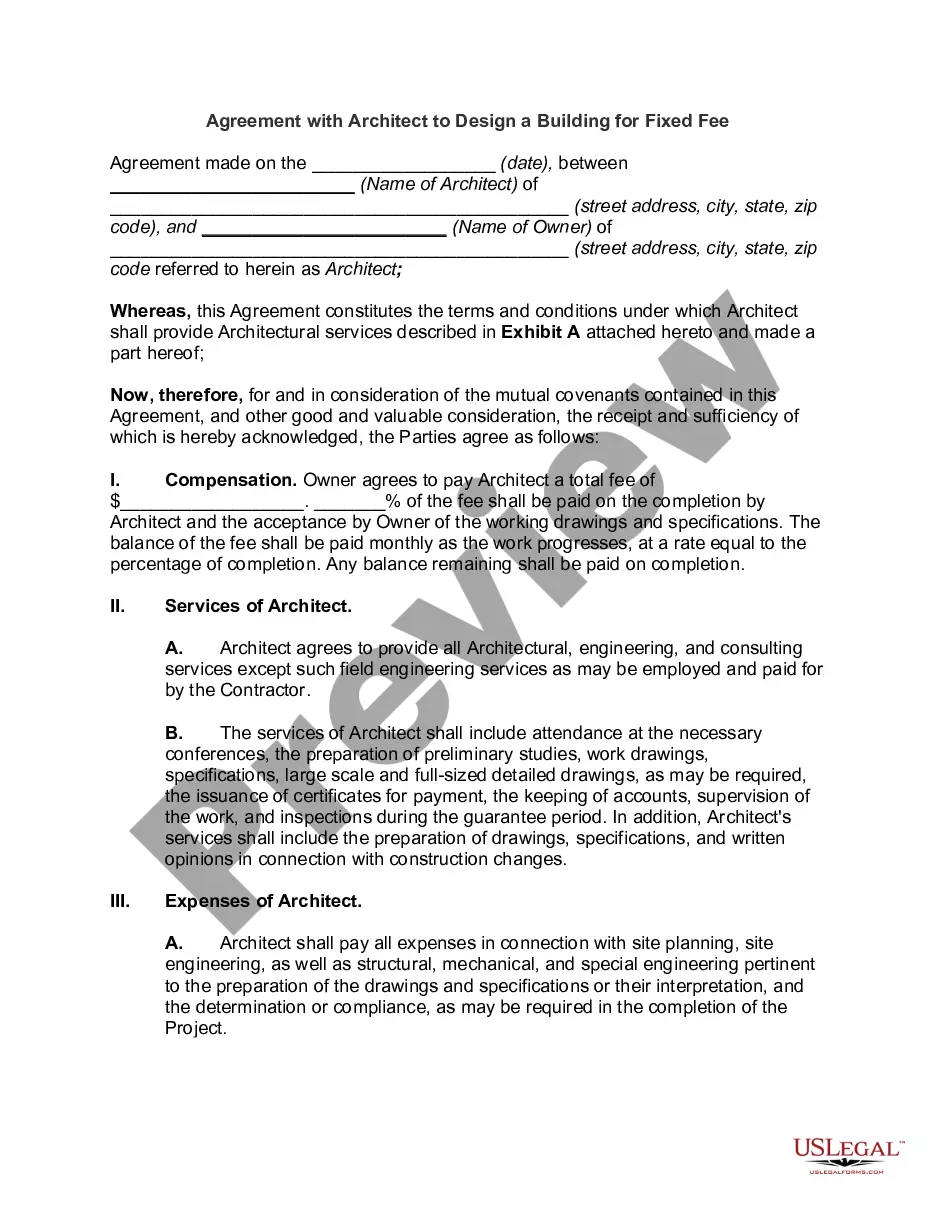
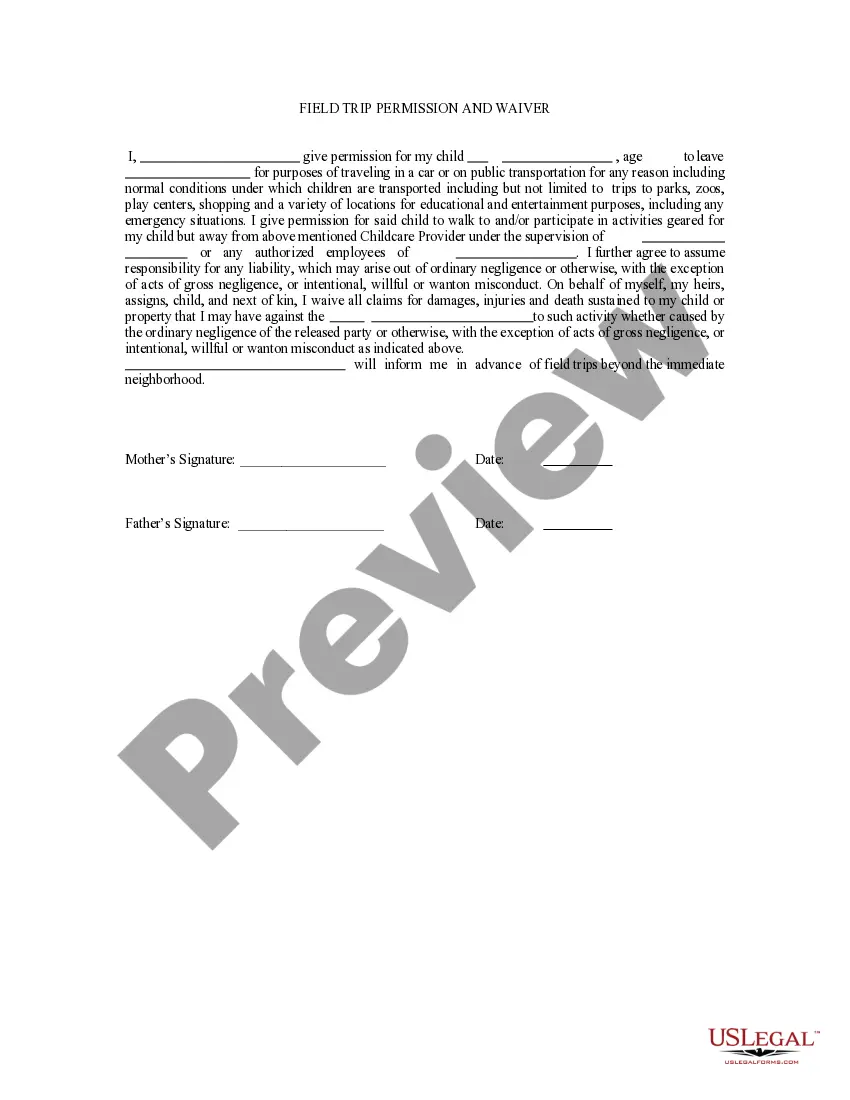





Form popularity
FAQ
The maximum monthly pension for those above 57 years old shall be 80% of the Average Monthly Salary (AMS) received during the last three years immediately preceding retirement. The maximum pension for those aged 57 and below shall be 75% of AMS.
Retirement Age Regulations The mandatory retirement age in the Philippines is set at 65 years, as established by Republic Act No. 7641. This law applies to both public and private sector employees, ensuring a consistent and equitable approach to retirement across different employment sectors.
The retirement benefits application process follows these general steps, whether you apply online, by phone, or in person: Gather the information and documents you need to apply. Complete and submit your application. We review your application and contact you if we need more information. We mail you a decision letter.
RA No. 7641, commonly known as the Retirement Law, grants an employee retirement benefits upon reaching the age of 60 years but not beyond 65 years, which is the compulsory retirement age, provided such employee has served at least five years and the retirement benefits are availed of only once.
Most U.S. citizens can get Social Security benefits while visiting or living outside the U.S. Find out if you qualify, how to apply, and who to contact to get help.
RA No. 7641, commonly known as the Retirement Law, grants an employee retirement benefits upon reaching the age of 60 years but not beyond 65 years, which is the compulsory retirement age, provided such employee has served at least five years and the retirement benefits are availed of only once.
The SECURE 2.0 Act establishes a Saver's Match. This credit will be replaced by a “Saver's Match” beginning in 2027. The match will equal up to 50% of the first $2,000 contributed by an individual to a retirement account each year, or up to $1,000 (or $2,000 for married couples filing jointly).
In the Philippines, the compulsory retirement age is 65. However, their respective collective bargaining agreement (CBA) or other applicable employment contract may prescribe a different age. Upon retirement, the employee shall receive all their retirement benefits.
The current full retirement age is 67 years old for people attaining age 62 in 2025. (The age for Medicare eligibility remains at 65.) Refer to Benefits By Year Of Birth for more information.
