Letter Payoff Loan With Balance Transfer In Washington
Description

Get your form ready online
Our built-in tools help you complete, sign, share, and store your documents in one place.
Make edits, fill in missing information, and update formatting in US Legal Forms—just like you would in MS Word.
Download a copy, print it, send it by email, or mail it via USPS—whatever works best for your next step.
Sign and collect signatures with our SignNow integration. Send to multiple recipients, set reminders, and more. Go Premium to unlock E-Sign.
If this form requires notarization, complete it online through a secure video call—no need to meet a notary in person or wait for an appointment.
We protect your documents and personal data by following strict security and privacy standards.

Make edits, fill in missing information, and update formatting in US Legal Forms—just like you would in MS Word.

Download a copy, print it, send it by email, or mail it via USPS—whatever works best for your next step.

Sign and collect signatures with our SignNow integration. Send to multiple recipients, set reminders, and more. Go Premium to unlock E-Sign.

If this form requires notarization, complete it online through a secure video call—no need to meet a notary in person or wait for an appointment.

We protect your documents and personal data by following strict security and privacy standards.
Looking for another form?






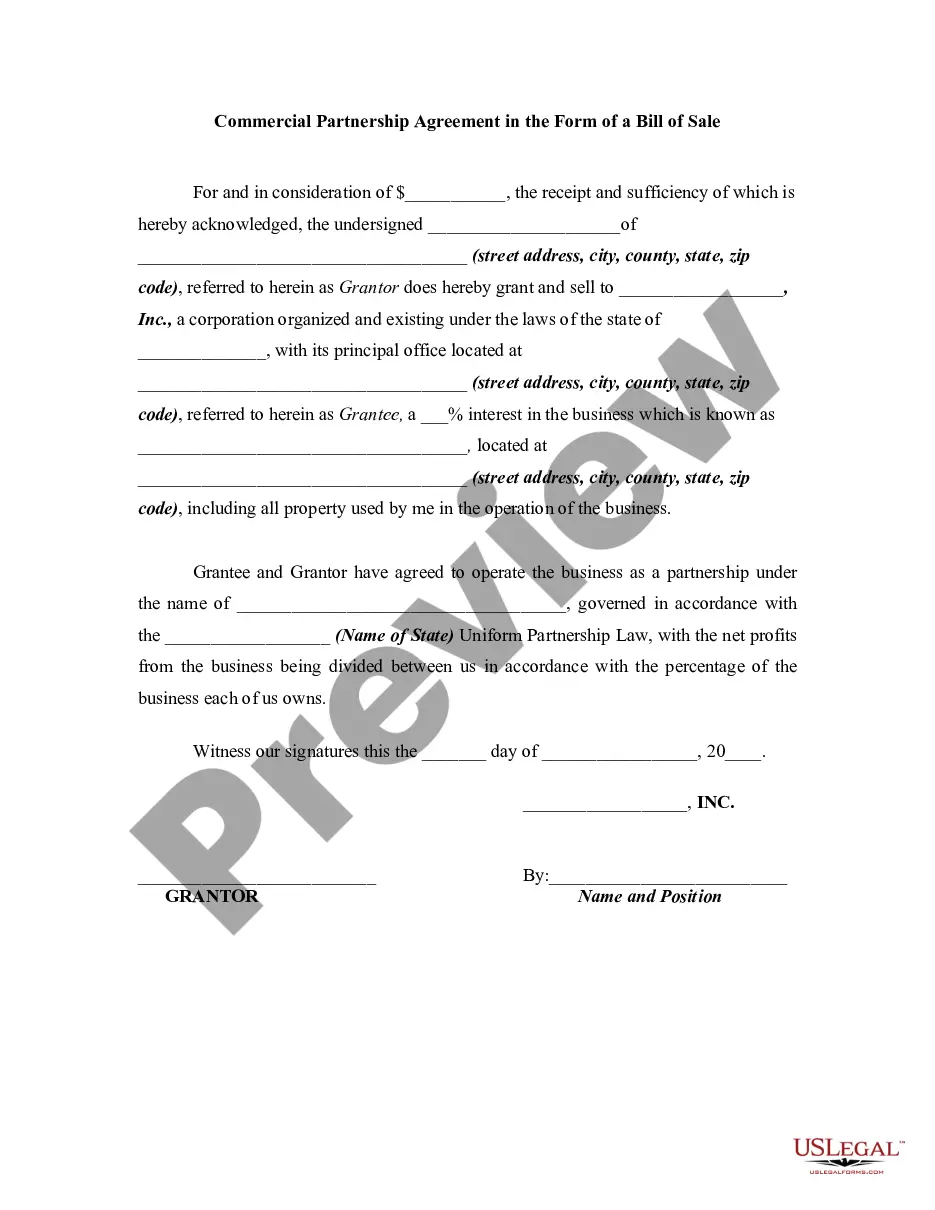

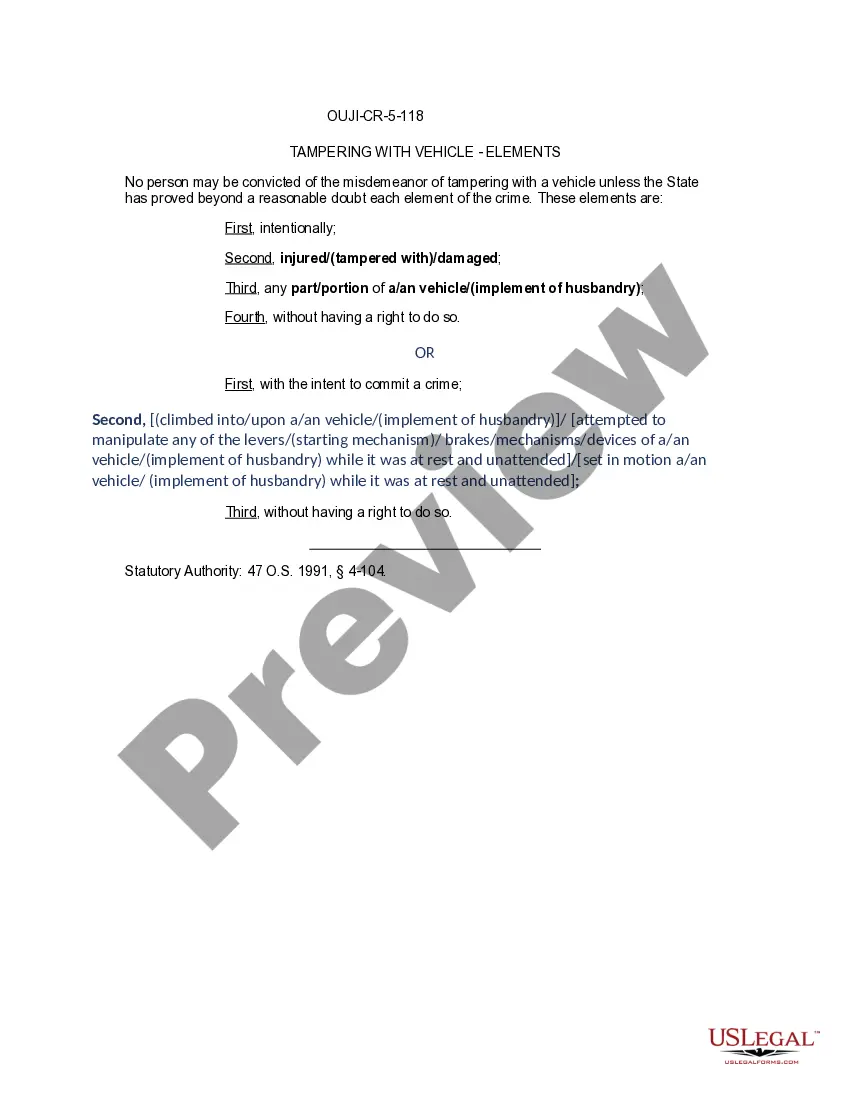

Form popularity
FAQ
Start by finding a credit card with a lower interest rate than your current card, then transfer your balance (or a portion of it) to the new card. The idea is that the transferred balance on the new credit card will accrue low or no interest during an introductory period—usually anywhere from 6–24 months.
After you complete a balance transfer, your old credit card will either have a zero balance or the remaining amount that wasn't transferred. In the case of a zero balance, you can decide whether to close the old account or to keep it open. (We'll go into the pros and cons of doing so next.)
While each credit card issuer's balance transfer process is slightly different, it's usually a simple process you can likely complete in a few ways: Online at the time of application. Call customer service. Through your online account or mobile app. Using a balance transfer convenience check.
In almost all cases the answer to that question is yes, a balance transfer does count as a payment. The balance transfer will be treated like any normal payment made to the credit card company that receives it. Your credit card company will receive the payment, via the banking system in the normal way.
Every NFCC member agency is accredited by the Council on Accreditation (COA) to ensure standards are maintained as a nonprofit financial counseling agency. COA is an independent, third party, nonprofit accrediting organization.
We're all familiar with the basic concept of setup and payoffs: early on in your screenplay, you set up some detail/scenario that may seem irrelevant, but later on will yield a result that hopefully your audience wasn't anticipating (the payoff).
Instead, you have to get a 10-day payoff estimate from your current lender, which includes the amount you owe, as well as any interest that might accrue on the principal balance in the next 10 days.
Under federal law, the servicer must generally send you a payoff statement within seven business days of your request, subject to a few exceptions. (12 C.F.R. § 1026.36.)
First, you'll need to contact your lender and let them know you want the information. Depending on your lender, you may have to sign in to an online account, call a helpline, or send a formal letter to start the request process.
