Mortgage Payoff Letter Form With Tax In Travis
Description
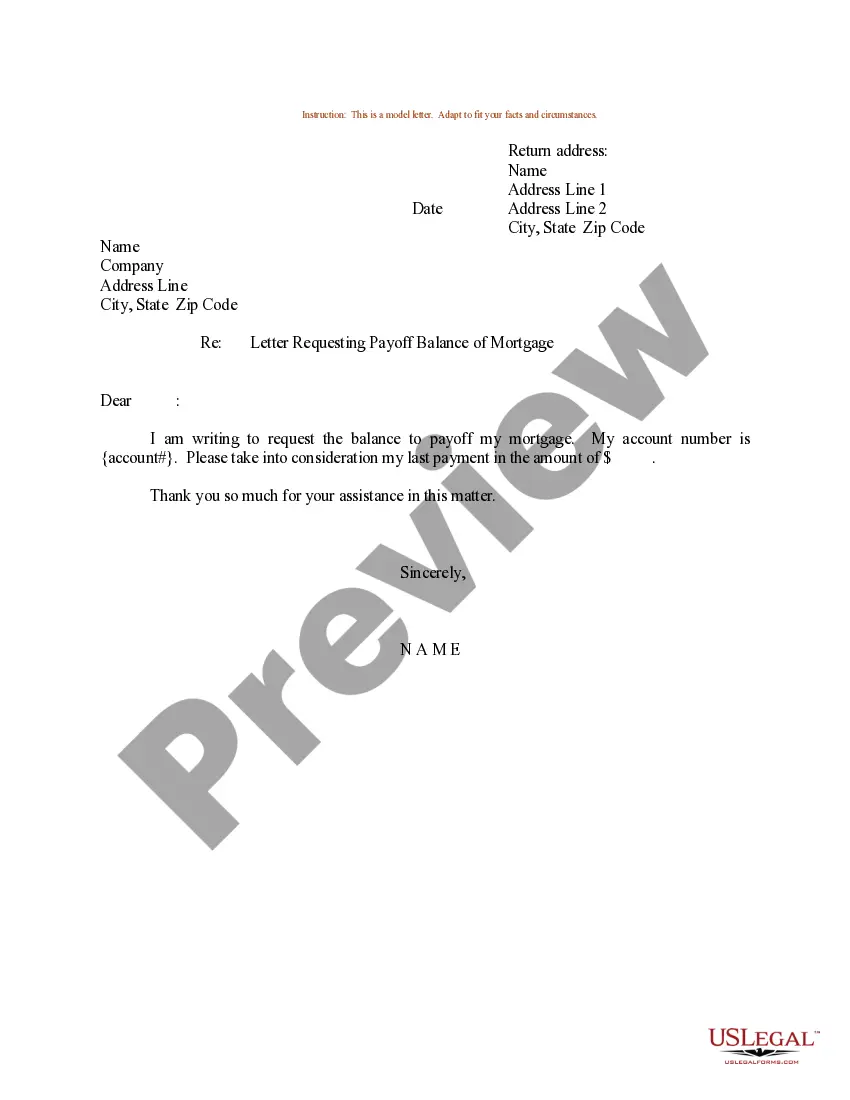
Get your form ready online
Our built-in tools help you complete, sign, share, and store your documents in one place.
Make edits, fill in missing information, and update formatting in US Legal Forms—just like you would in MS Word.
Download a copy, print it, send it by email, or mail it via USPS—whatever works best for your next step.
Sign and collect signatures with our SignNow integration. Send to multiple recipients, set reminders, and more. Go Premium to unlock E-Sign.
If this form requires notarization, complete it online through a secure video call—no need to meet a notary in person or wait for an appointment.
We protect your documents and personal data by following strict security and privacy standards.

Make edits, fill in missing information, and update formatting in US Legal Forms—just like you would in MS Word.

Download a copy, print it, send it by email, or mail it via USPS—whatever works best for your next step.

Sign and collect signatures with our SignNow integration. Send to multiple recipients, set reminders, and more. Go Premium to unlock E-Sign.

If this form requires notarization, complete it online through a secure video call—no need to meet a notary in person or wait for an appointment.

We protect your documents and personal data by following strict security and privacy standards.
Looking for another form?

Form popularity
FAQ
PROPERTY TAX CALENDAR DateEvent August/September Tax rates set October Property tax bills begin to be mailed out November Voter approval elections are held January 31 Property tax bill payments due4 more rows
To qualify for the age 65 or older residence homestead exemption, the individual must be age 65 or older, have an ownership interest in the property and live in the home as his or her principal residence.
Apply for Homestead Exemptions in Texas This exemption reduces a portion of your home's value from being taxed. Whether you own a cozy bungalow in Austin or a sprawling estate in Dallas, filing for a homestead exemption is an essential strategy for any Texas homeowner.
To put it in simple terms, the seller will be responsible for the property tax balance that accrued from the beginning of the tax year until the date of closing, and the buyer will be responsible for property taxes that are due for the period after the closing date. This is a process called proration.
This exemption can significantly reduce the portion of your home's appraised value that is subjected to property taxes. This reduction can make a substantial difference for homeowners, allowing them to better manage their property tax obligations.
Taxes are typically prorated at closing, meaning the seller pays for their time owning the property prior to closing, while the buyer takes responsibility for taxes owed after the closing date.
Property taxes in Austin are calculated by multiplying the assessed value of your home by the tax rate. The assessed value of your home is determined by the Travis County Appraisal District (TCAD), which is an independent government agency responsible for valuing all properties in the county for tax purposes.
How do I get a copy of my tax bill or receipt? Search for your property by name, address or account number. Locate your original tax bill, current tax bill, and receipts using the links on the account details page. Contact us for bills by mail, email or fax.
This deferral only postpones your taxes; it does not cancel them. Your property taxes accrue five (5) percent interest annually until the deferral is removed. When the property is sold or the ownership is transferred to the estate/heirs, the taxes and accrued interest become payable.
To view and print your bill, go to the website of your county's appraisal district or tax collector and input the details of your property.
