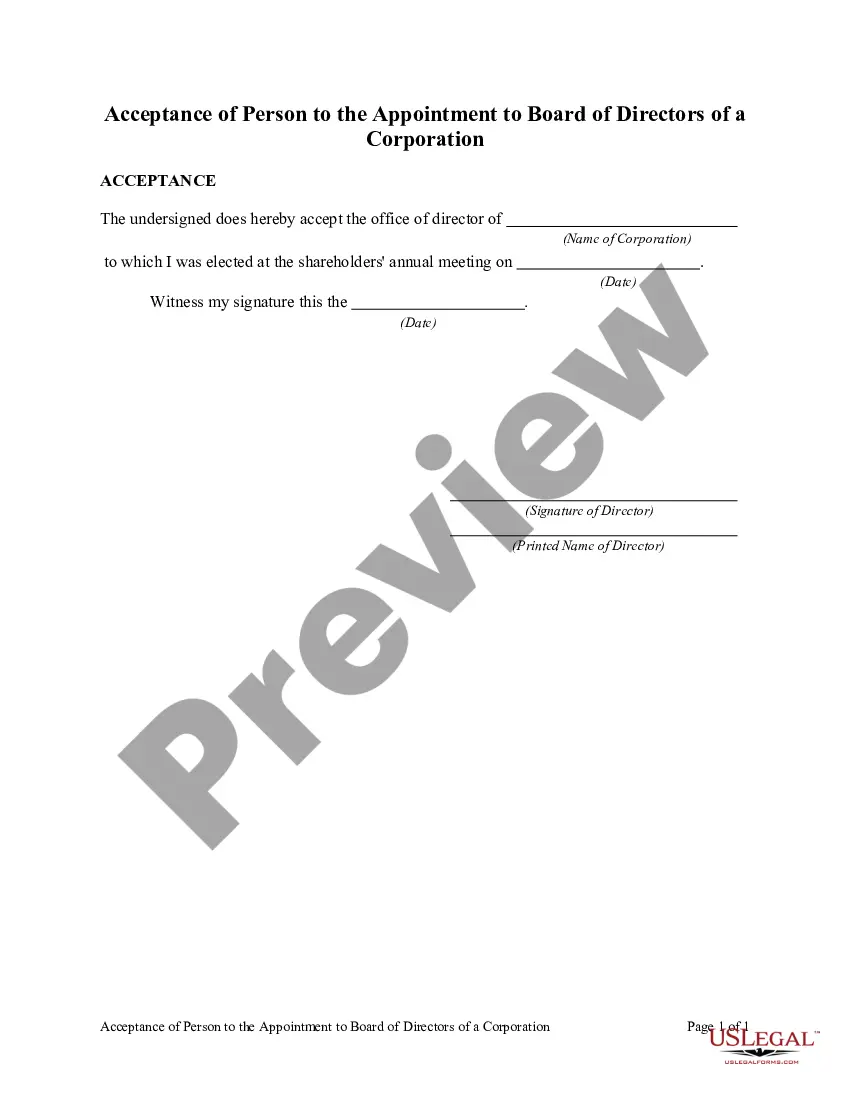
Payoff Letter For Judgement In San Bernardino
Description
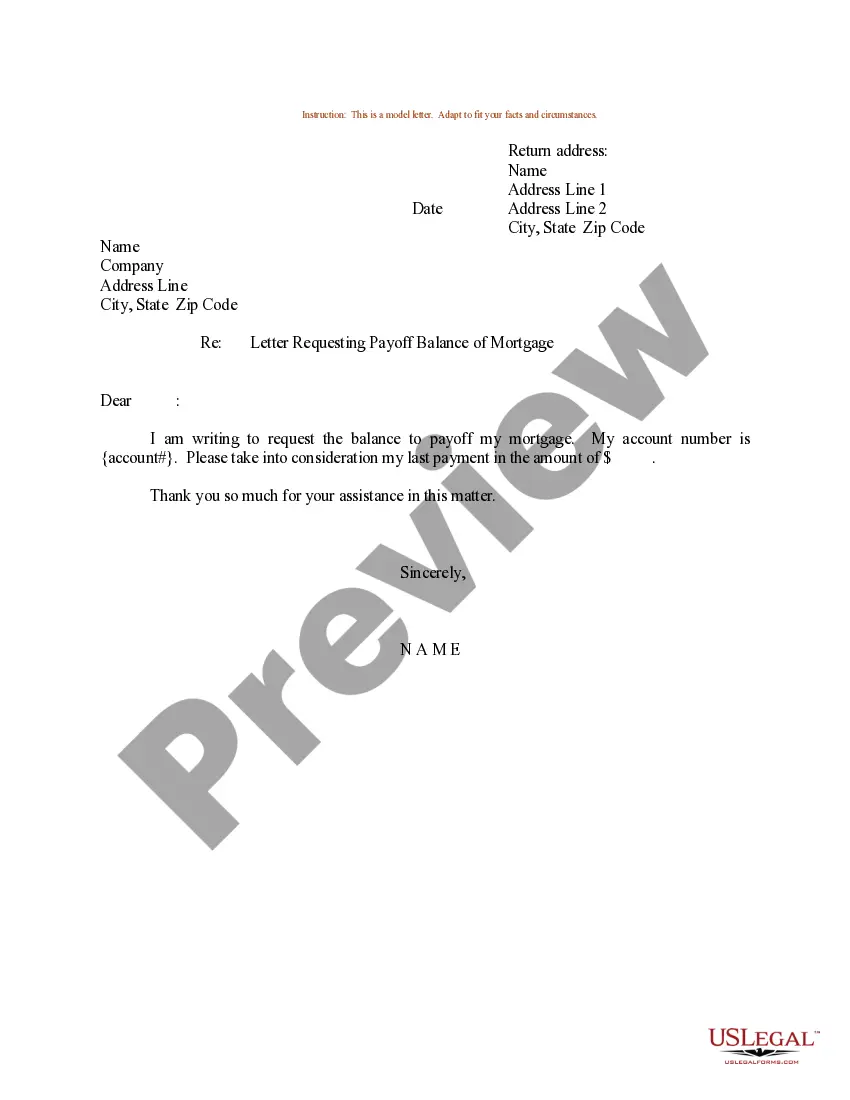
Get your form ready online
Our built-in tools help you complete, sign, share, and store your documents in one place.
Make edits, fill in missing information, and update formatting in US Legal Forms—just like you would in MS Word.
Download a copy, print it, send it by email, or mail it via USPS—whatever works best for your next step.
Sign and collect signatures with our SignNow integration. Send to multiple recipients, set reminders, and more. Go Premium to unlock E-Sign.
If this form requires notarization, complete it online through a secure video call—no need to meet a notary in person or wait for an appointment.
We protect your documents and personal data by following strict security and privacy standards.

Make edits, fill in missing information, and update formatting in US Legal Forms—just like you would in MS Word.

Download a copy, print it, send it by email, or mail it via USPS—whatever works best for your next step.

Sign and collect signatures with our SignNow integration. Send to multiple recipients, set reminders, and more. Go Premium to unlock E-Sign.

If this form requires notarization, complete it online through a secure video call—no need to meet a notary in person or wait for an appointment.

We protect your documents and personal data by following strict security and privacy standards.
Looking for another form?
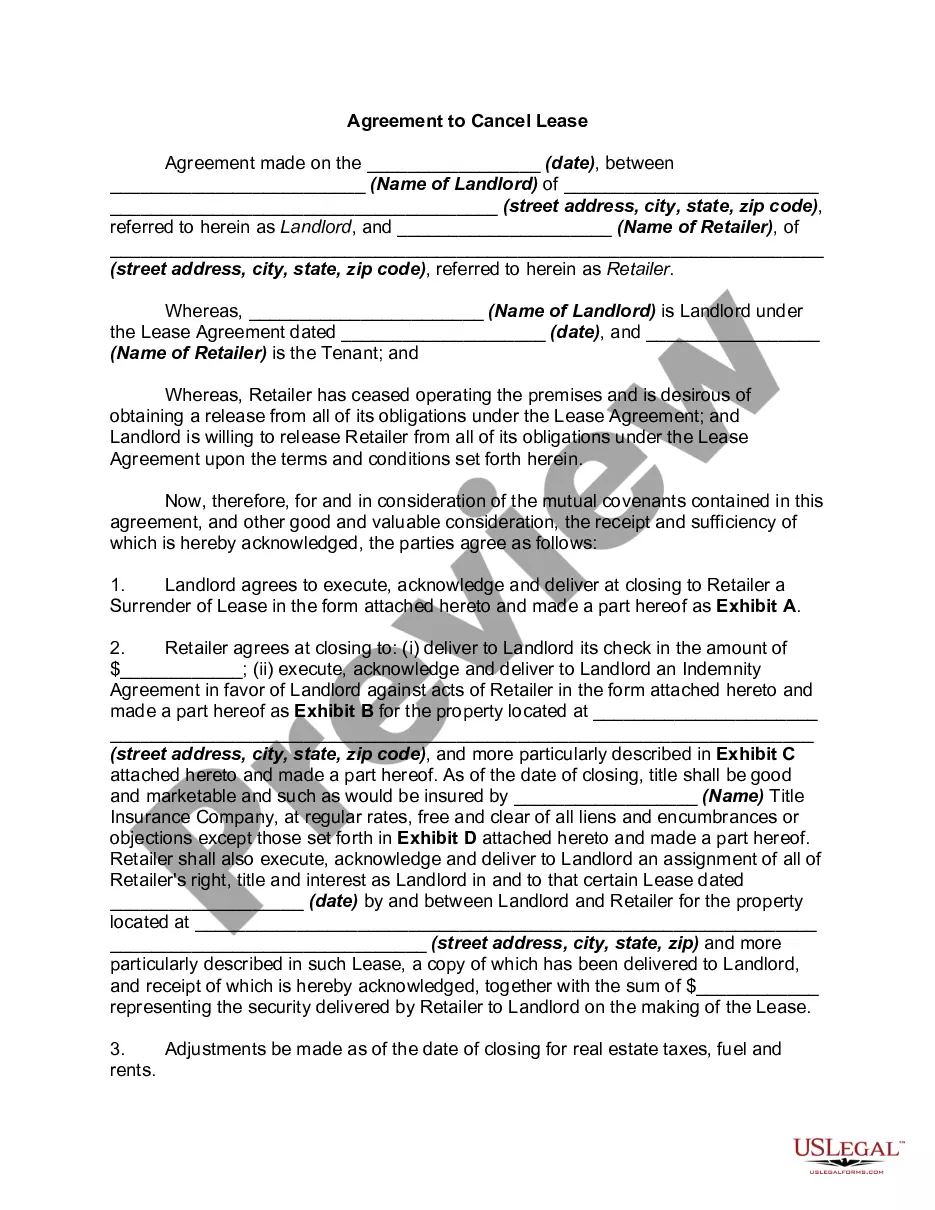
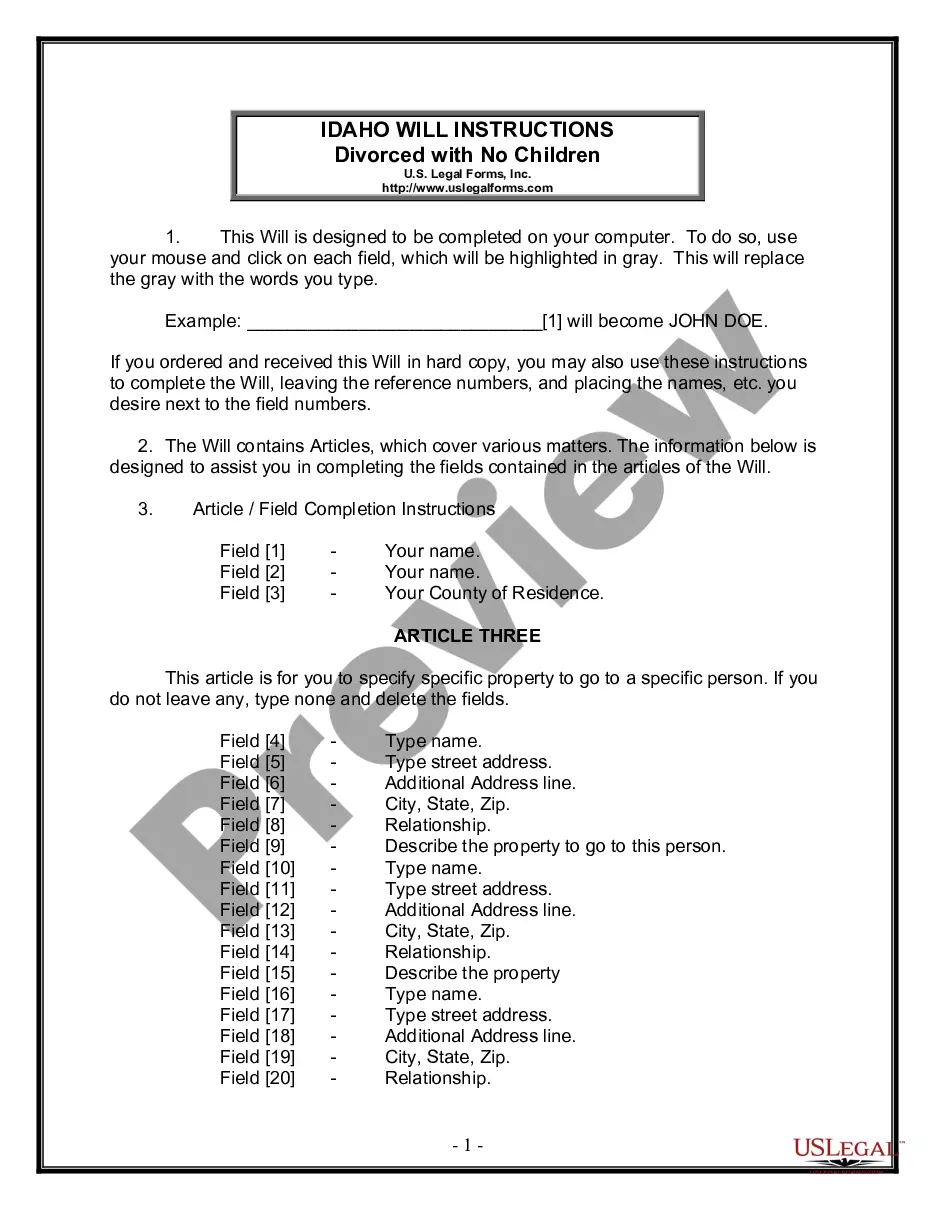
Form popularity
FAQ
What Is a Writ of Execution? A writ of execution is a court order that puts in force a judgment of possession and directs law enforcement personnel to begin the transfer of property as the result of a legal judgment.
Tells the sheriff to take action to enforce a judgment. Used with instructions to the sheriff to levy bank accounts, garnish wages, or take possession of personal property.
1. A showing that the defendant gained possession of the property described in the application, which was not entrusted to the defendant, by feloniously taking such property from the plaintiff by means other than by false or fraudulent representation, attached declaration.
A writ of execution issued upon a judgment for the possession of personal property or its value must command the sheriff or constable to levy and collect the personal property, or in case possession cannot be obtained, to levy and collect the specified value for which the judgment was recovered out of any property of ...
Debt collectors may not be able to sue you to collect on old (time-barred) debts, but they may still try to collect on those debts. In California, there is generally a four-year limit for filing a lawsuit to collect a debt based on a written agreement.
Most judgments (the court order saying what you're owed) expire in 10 years. This means you can't collect on it after 10 years. To avoid this, you can ask the court to renew it. A renewal lasts 10 years.
A judgment is valid in ance with California Law for ten years, and then it will automatically expire. However, a judgment can be extended another ten years at the creditor's request as long as it's before the ten years expires.
If you put liens on the other side's property, you or the other side must remove them. To remove a lien, file a certified copy of the Acknowledgment of Satisfaction of Judgment (form EJ-100) with each county recorder's office where you put the lien on their property.
Write the name and last known address of the judgment debtor in the space provided. You may also include any known aliases used by the judgment debtor. Fill in the last 4 digits of the judgment debtor's driver license number and state where it was issued, if you know them.
If you put liens on the other side's property, you or the other side must remove them. To remove a lien, file a certified copy of the Acknowledgment of Satisfaction of Judgment (form EJ-100) with each county recorder's office where you put the lien on their property.