Loan Payoff Letter Example For Students In Orange
Description
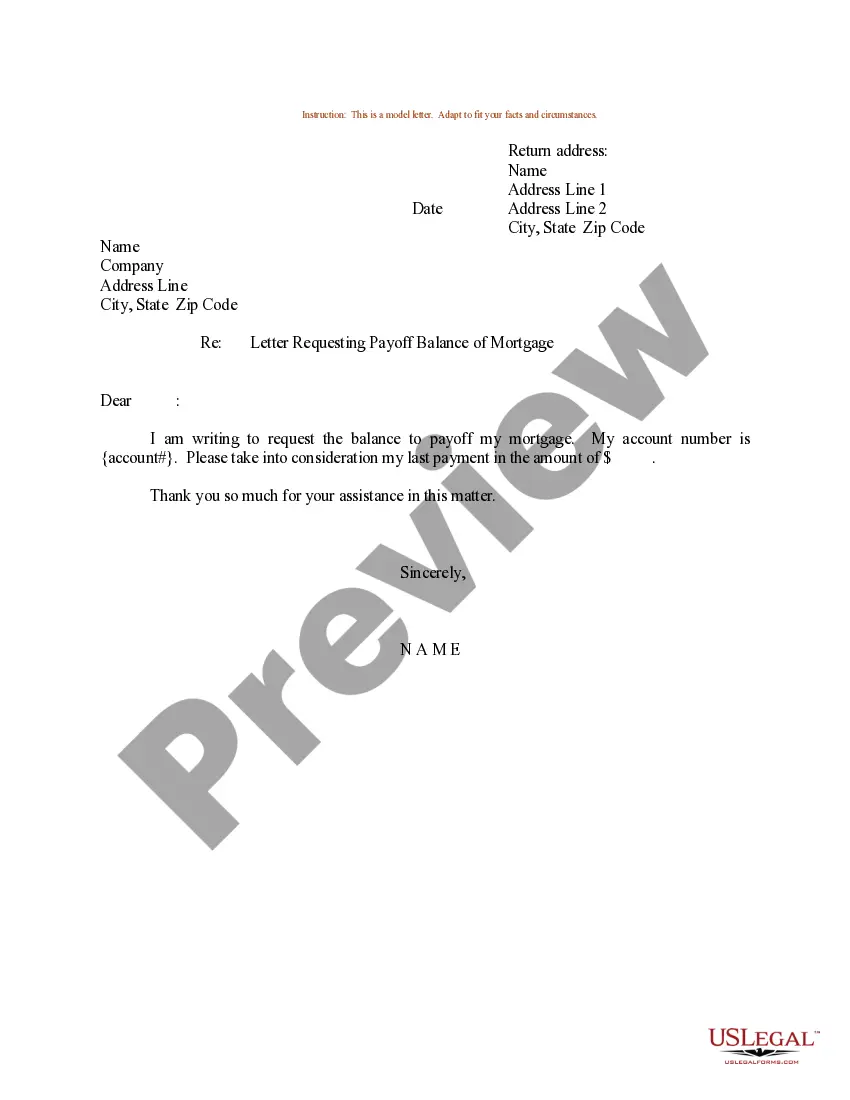
Get your form ready online
Our built-in tools help you complete, sign, share, and store your documents in one place.
Make edits, fill in missing information, and update formatting in US Legal Forms—just like you would in MS Word.
Download a copy, print it, send it by email, or mail it via USPS—whatever works best for your next step.
Sign and collect signatures with our SignNow integration. Send to multiple recipients, set reminders, and more. Go Premium to unlock E-Sign.
If this form requires notarization, complete it online through a secure video call—no need to meet a notary in person or wait for an appointment.
We protect your documents and personal data by following strict security and privacy standards.

Make edits, fill in missing information, and update formatting in US Legal Forms—just like you would in MS Word.

Download a copy, print it, send it by email, or mail it via USPS—whatever works best for your next step.

Sign and collect signatures with our SignNow integration. Send to multiple recipients, set reminders, and more. Go Premium to unlock E-Sign.

If this form requires notarization, complete it online through a secure video call—no need to meet a notary in person or wait for an appointment.

We protect your documents and personal data by following strict security and privacy standards.
Looking for another form?









Form popularity
FAQ
Yes, they do send a letter out. Congratulations on paying off! As someone who worked in collections on their behalf, my advice to everyone is to keep these letters safe. Keep a picture or scanned copy.
The payment of a salary, debt, wager, etc. the time at which such payment is made. the consequence, outcome, or final sequence in a series of events, actions, or circumstances: The payoff was when they fired him.
First, you'll need to contact your lender and let them know you want the information. Depending on your lender, you may have to sign in to an online account, call a helpline, or send a formal letter to start the request process.
The letter usually should include: Debtor's Details: Full name and contact information of the debtor. Your Business Details: Your company's information for reference. Invoice Reference: Specific details of the outstanding invoice(s), including dates, invoice numbers, and total amount due.
Clearly outline the specifics of the debt, including: Amount owed: Specify the exact amount due. Original due date: Mention when the payment was initially due. Current due date: Specify a new due date by which you expect payment. Interest or fees: If applicable, include any interest or late fees that have accrued.
Most debt settlement letters include: The date, name, and address of the credit card company. A notation after the address that this is regarding a hardship letter. The credit card number and amount of the debt. A short statement of your financial situation, why you're in that situation, and why full payment is a hardship.
To get a payoff letter, ask your lender for an official payoff statement. Call or write to customer service or make the request online. While logged into your account, look for options to request or calculate a payoff amount, and provide details such as your desired payoff date.

