Sample Payoff Mortgage Form For Divorce In Minnesota
Description
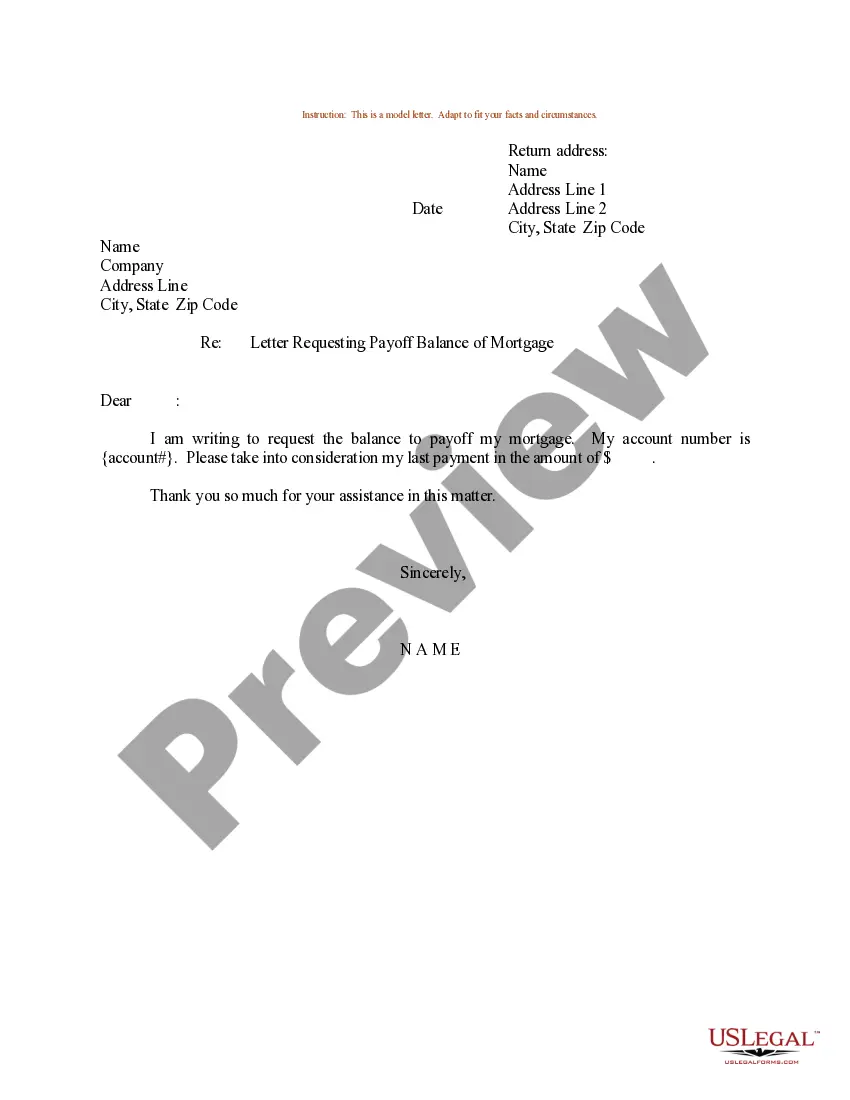
Get your form ready online
Our built-in tools help you complete, sign, share, and store your documents in one place.
Make edits, fill in missing information, and update formatting in US Legal Forms—just like you would in MS Word.
Download a copy, print it, send it by email, or mail it via USPS—whatever works best for your next step.
Sign and collect signatures with our SignNow integration. Send to multiple recipients, set reminders, and more. Go Premium to unlock E-Sign.
If this form requires notarization, complete it online through a secure video call—no need to meet a notary in person or wait for an appointment.
We protect your documents and personal data by following strict security and privacy standards.

Make edits, fill in missing information, and update formatting in US Legal Forms—just like you would in MS Word.

Download a copy, print it, send it by email, or mail it via USPS—whatever works best for your next step.

Sign and collect signatures with our SignNow integration. Send to multiple recipients, set reminders, and more. Go Premium to unlock E-Sign.

If this form requires notarization, complete it online through a secure video call—no need to meet a notary in person or wait for an appointment.

We protect your documents and personal data by following strict security and privacy standards.
Looking for another form?





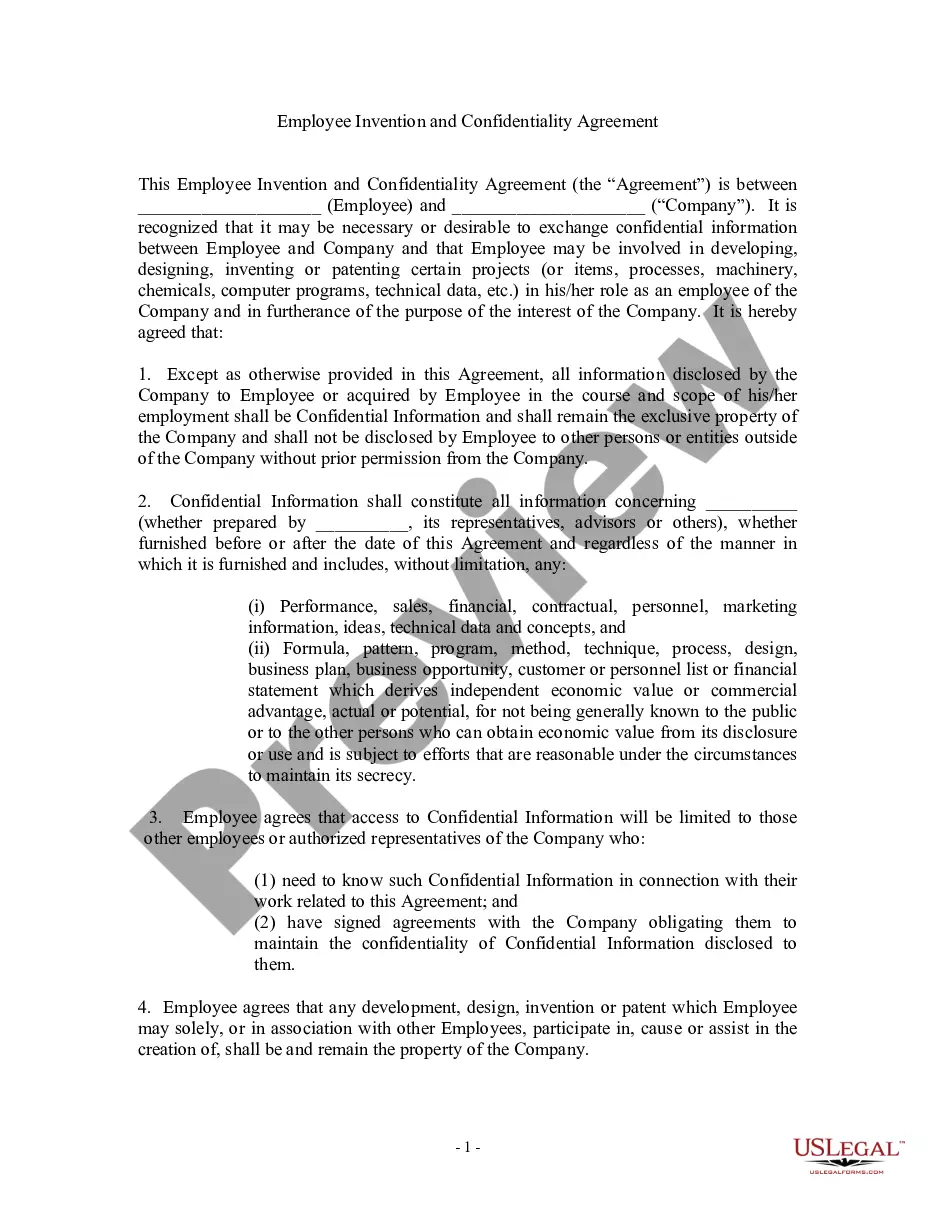



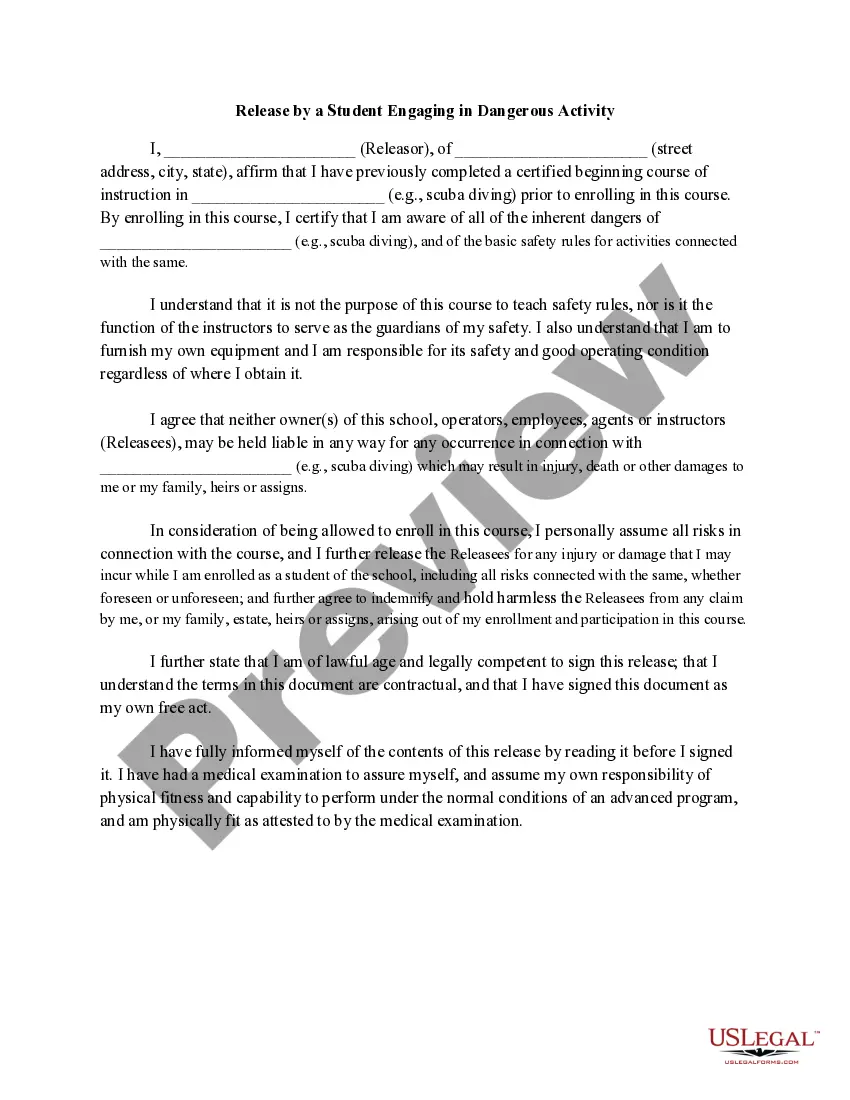
Form popularity
FAQ
In Minnesota, divorce courts require a financial affidavit, a declaration made under the penalty of perjury of a couple's assets, liabilities, income and expenses. Only with this financial snapshot can a judge make an “equitable distribution” of the marital assets between the parting spouses.
Simply put, an affidavit is a sworn statement of fact that can be used in a variety of legal proceedings, from bankruptcy cases to family and civil litigation matters such as divorce proceedings.
The Domestic Relations Financial Affidavit (DRFA) is like a snapshot of your financial life in the form of a breakdown of all income, assets, expenses, and debts for one month.
Here's a step-by-step guide to drafting your own settlement agreement in California: Gather Information About Assets, Debts, and Child Custody Needs. Draft a Clear Outline of the Agreement. Specify Terms for Property Division and Debt Allocation. Address Spousal Support and Child Custody Arrangements.
However Minnesota, like most states, follow the equitable distribution method—meaning, the court will divide all marital property between the spouses a way it decides is equitable or fair, but not necessarily in an equal 50/50 split.
How to Write a Financial Affidavit Step 1 – Fill out Affiant Information. Step 2 – Add Employment Details. Step 3 – Describe Other Income Sources. Step 4 – Record Your Gross Income. Step 5 – Fill in Your Deductions. Step 6 – Record Your Expenses and Assets. Step 7 – Sign Your Name.
What is a financial affidavit? A financial affidavit, which has different names in each state, is a statement showing your income, expenses, debts, and assets. It allows a court to figure out how much spousal support and child support it should award.
Summary Dissolution to Get Divorced Quickly In Minnesota, the legal word for divorce is dissolution, and there are two types: regular and summary. Summary dissolution is a fast track to divorce, allowing you to finalize your divorce in as little as one month.
Who Gets the House in a Minnesota Divorce? It depends. In most cases, judges categorize the marital home as "marital property" and will divide it between the spouses.
If things are collaborative, you should just each provide a financial disclosure. It should include a listing of all assets (including major physical assets like real estate, cars, etc.), the value as of the date of separation (this date is determined by state law), and the legal owner(s) of each asset.

