Loan Payoff Letter Format Foreclosure In Middlesex
Description

Get your form ready online
Our built-in tools help you complete, sign, share, and store your documents in one place.
Make edits, fill in missing information, and update formatting in US Legal Forms—just like you would in MS Word.
Download a copy, print it, send it by email, or mail it via USPS—whatever works best for your next step.
Sign and collect signatures with our SignNow integration. Send to multiple recipients, set reminders, and more. Go Premium to unlock E-Sign.
If this form requires notarization, complete it online through a secure video call—no need to meet a notary in person or wait for an appointment.
We protect your documents and personal data by following strict security and privacy standards.

Make edits, fill in missing information, and update formatting in US Legal Forms—just like you would in MS Word.

Download a copy, print it, send it by email, or mail it via USPS—whatever works best for your next step.

Sign and collect signatures with our SignNow integration. Send to multiple recipients, set reminders, and more. Go Premium to unlock E-Sign.

If this form requires notarization, complete it online through a secure video call—no need to meet a notary in person or wait for an appointment.

We protect your documents and personal data by following strict security and privacy standards.
Looking for another form?






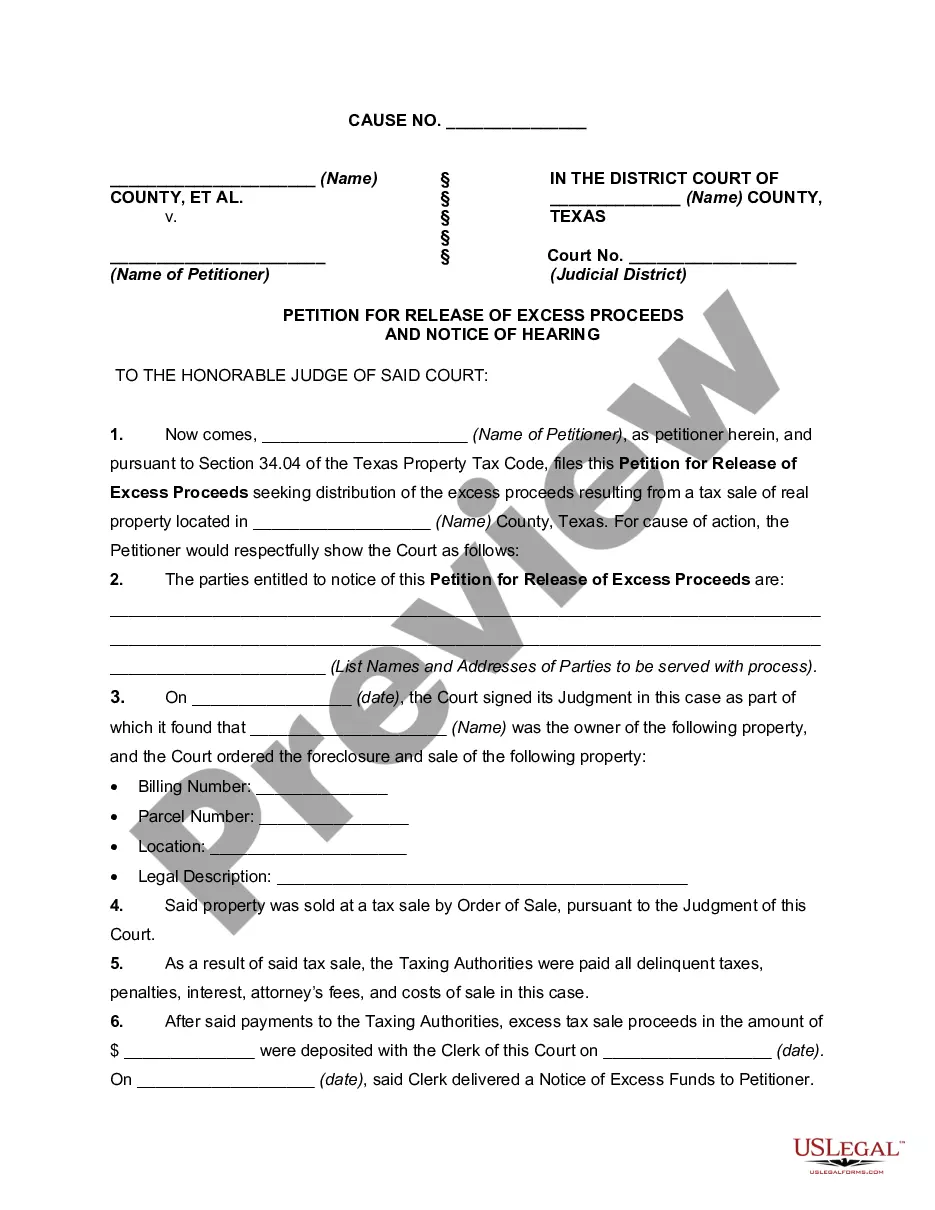
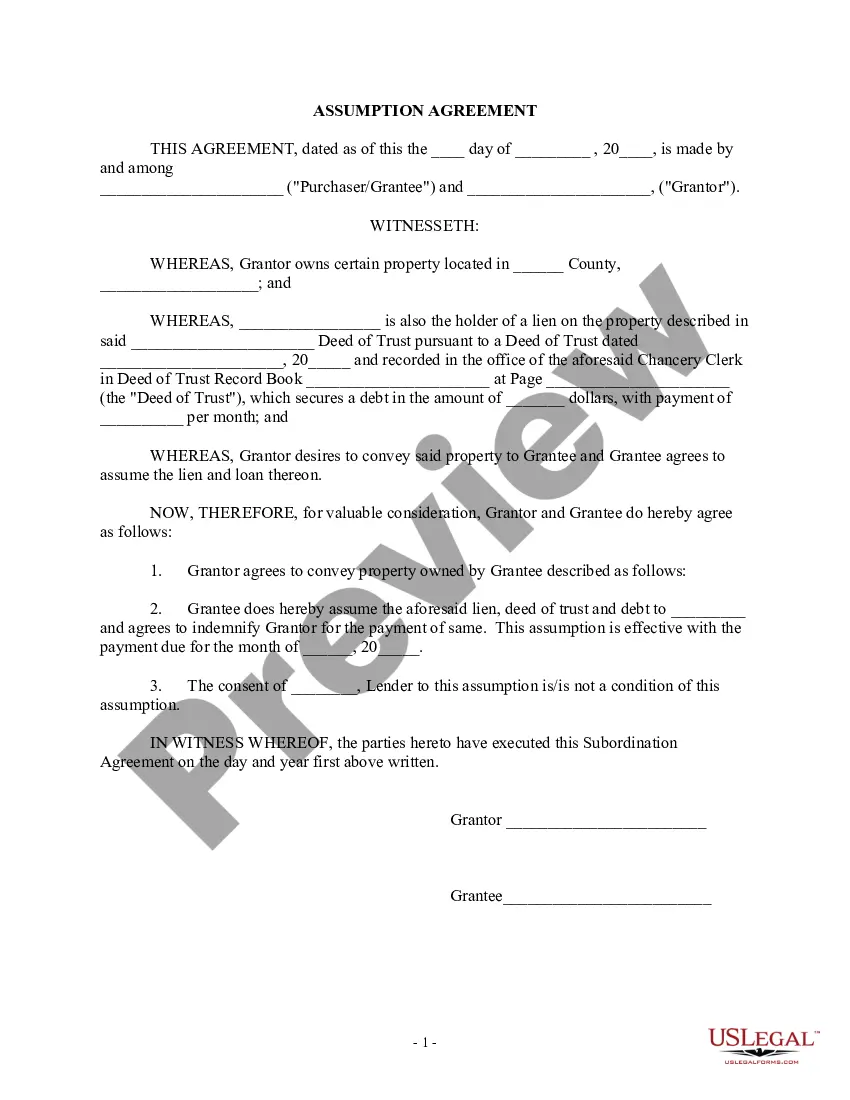

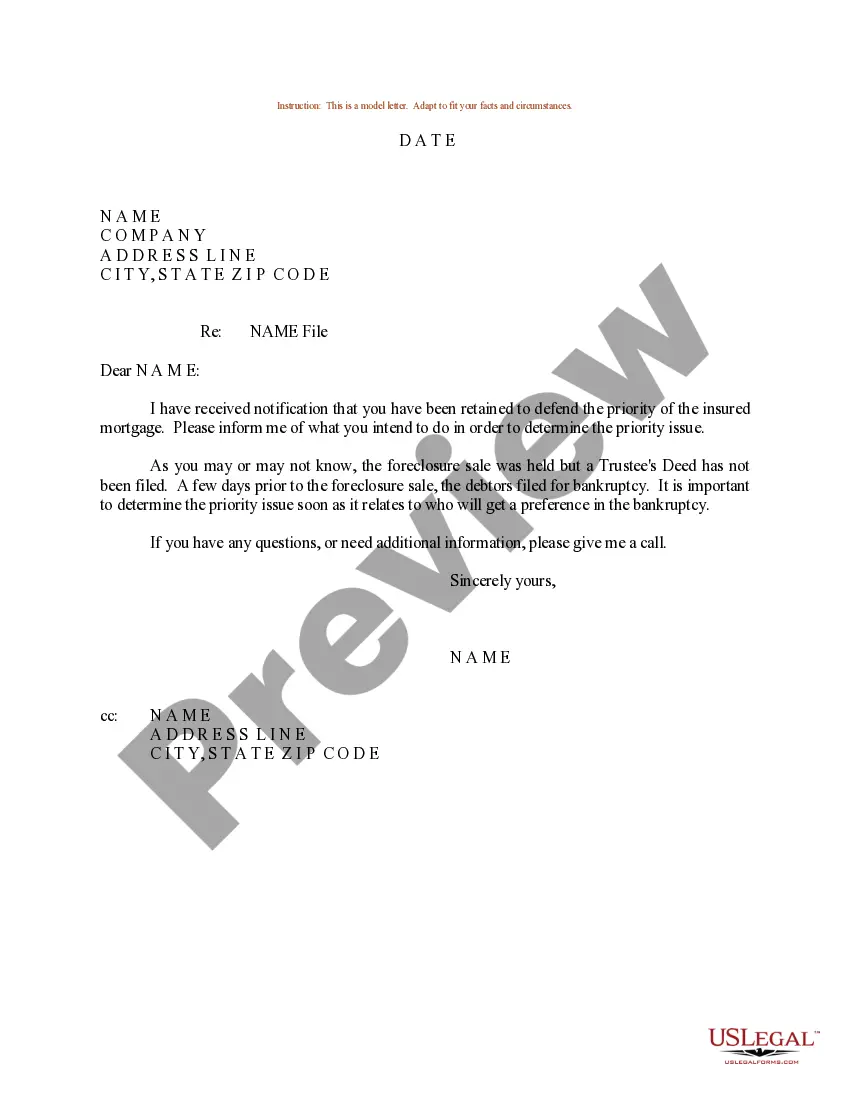
Form popularity
FAQ
To get a payoff letter, ask your lender for an official payoff statement. Call or write to customer service or make the request online. While logged into your account, look for options to request or calculate a payoff amount, and provide details such as your desired payoff date.
How do I request a payoff letter? To get a payoff letter, ask your lender for an official payoff statement. Call or write to customer service or make the request online. While logged into your account, look for options to request or calculate a payoff amount, and provide details such as your desired payoff date.
There's a process to getting the mortgage payoff statement. First, you'll need to contact your lender and let them know you want the information. Depending on your lender, you may have to sign in to an online account, call a helpline, or send a formal letter to start the request process.
The statement is provided by the mortgage servicer and can be requested at any time. Accurate payoff information is crucial for managing financial decisions related to property ownership.
Overview of the California Foreclosure Timeline Missed Payments (Day 1-30) ... Notice of Default (NOD) (Day 90-180) ... Notice of Trustee's Sale (NOS) (Day 180-201) ... Foreclosure Auction (Day 201-312) ... Eviction and Post-Foreclosure (After Auction)
You can contact us at 609-421-6100 or SCCO.Mailbox@njcourts for information on the following: General Questions and Status Requests.
On January 12th, 2024, New Jersey's Fair Foreclosure Act was amended to include a new foreclosure protection for homeowners. Specifically, the introduction of the Community Wealth Preservation Program gives families facing foreclosure the first chance to buy back their homes at sheriff's sales.
New Jersey is a judicial foreclosure state. This means foreclosure actions must go through the court. The Office of Foreclosure and the Superior Court General Equity judges handle the process. This page provides foreclosure resources for both lenders and debtors.
If a tenant has a lease that lasts beyond 90 days after the date the new owner acquires the property, then the tenant can stay for the remaining term of their lease, unless the new owner will live in the property. In that case the tenant can be required to leave if the new owner gives the 90-day notice.
A new law banning cities and towns in Massachusetts from “equity theft” is now on the books. On Monday, Gov. Maura Healey signed the new law that stops municipalities from selling a foreclosed home and keeping more than what is owed in the former owner's equity as profit as an amendment in the fiscal 2025 budget.

