Loan Paid In Full Letter Template Format In Middlesex
Description
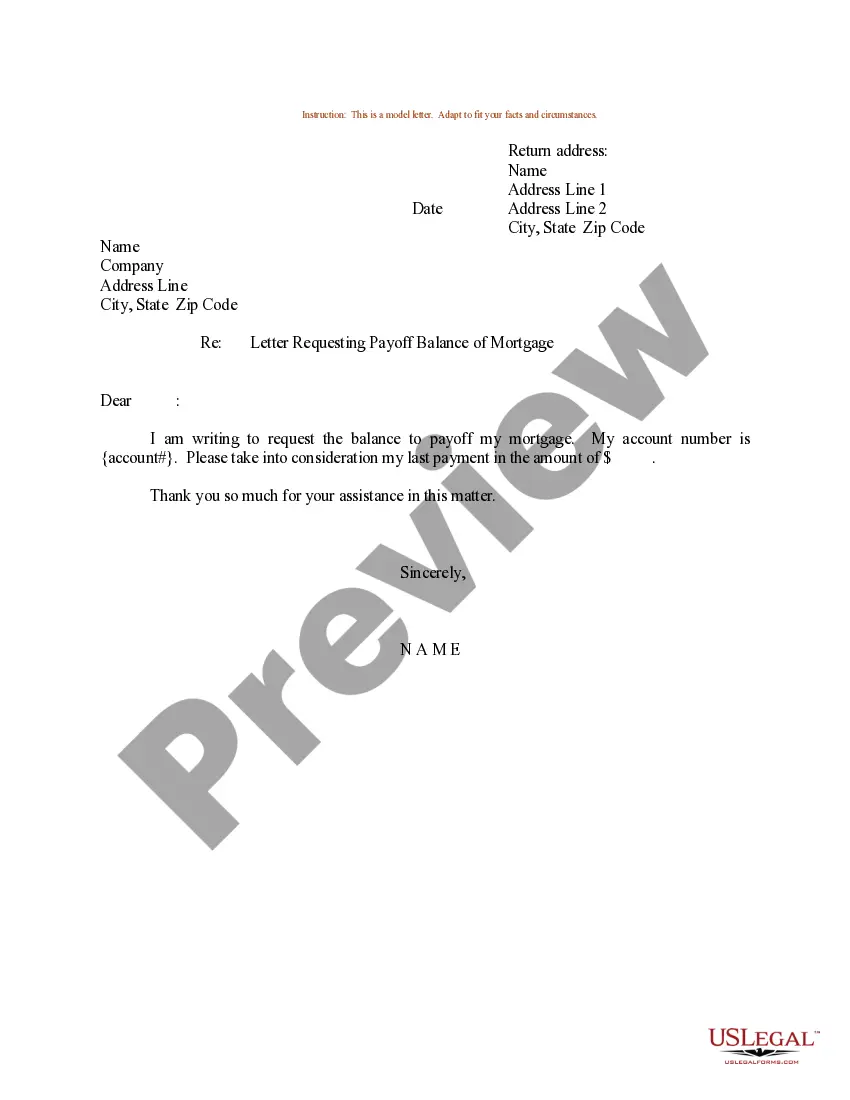
Get your form ready online
Our built-in tools help you complete, sign, share, and store your documents in one place.
Make edits, fill in missing information, and update formatting in US Legal Forms—just like you would in MS Word.
Download a copy, print it, send it by email, or mail it via USPS—whatever works best for your next step.
Sign and collect signatures with our SignNow integration. Send to multiple recipients, set reminders, and more. Go Premium to unlock E-Sign.
If this form requires notarization, complete it online through a secure video call—no need to meet a notary in person or wait for an appointment.
We protect your documents and personal data by following strict security and privacy standards.

Make edits, fill in missing information, and update formatting in US Legal Forms—just like you would in MS Word.

Download a copy, print it, send it by email, or mail it via USPS—whatever works best for your next step.

Sign and collect signatures with our SignNow integration. Send to multiple recipients, set reminders, and more. Go Premium to unlock E-Sign.

If this form requires notarization, complete it online through a secure video call—no need to meet a notary in person or wait for an appointment.

We protect your documents and personal data by following strict security and privacy standards.
Looking for another form?










Form popularity
FAQ
Critical Elements of a Settlement Demand Letter Introduction and Background Information. Start by introducing yourself and providing a brief overview of the incident. Statement of Facts. Liability. Injuries and Medical Treatment. Damages. Settlement Demand. Deadline for Response. Closing.
Full and Final Settlement. The Participant hereby acknowledges and agrees that the Participant has carefully read this Agreement, that the Participant fully understands the same, and that the Participant is freely and voluntarily executing the same. Full and Final Settlement.
A Small Claims complaint form and accompanying instructions, is available in any New Jersey Special Civil Part Office and is available on the Internet at njcourts. The summons and complaint can be filed through the mail or in person at the appropriate Special Civil Part Office (See “Where Do I File a Complaint”).
Lawsuits for amounts up to $20,000 are called special civil cases. They are filed in Superior Court, in the special civil part of the civil division.
An information subpoena is a series of written questions about the judgment debtor's assets, income and finances which can be prepared by the attorney and served on the defendant by regular and certified mail.
