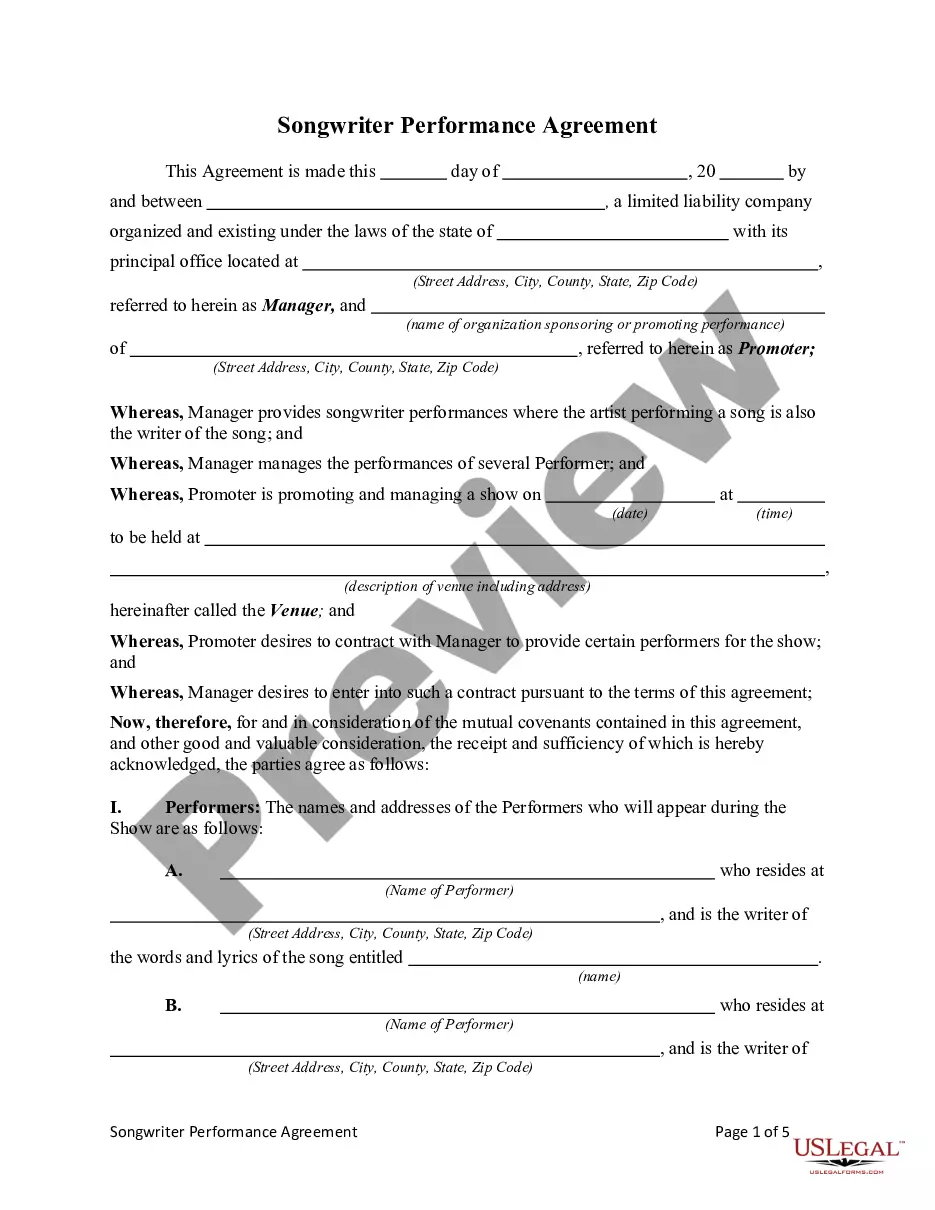
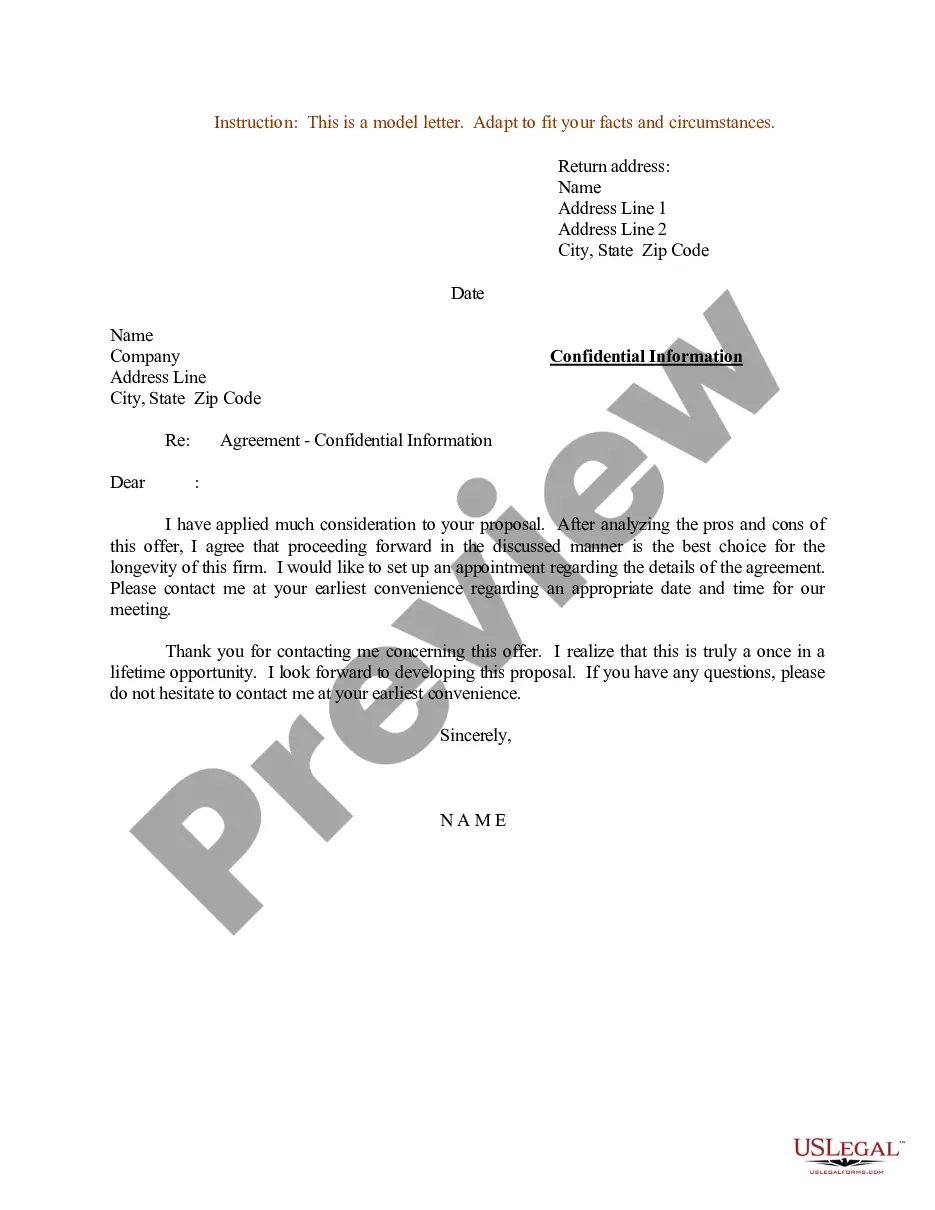
Sample Payoff Mortgage Form For Taxes In Miami-Dade
Description
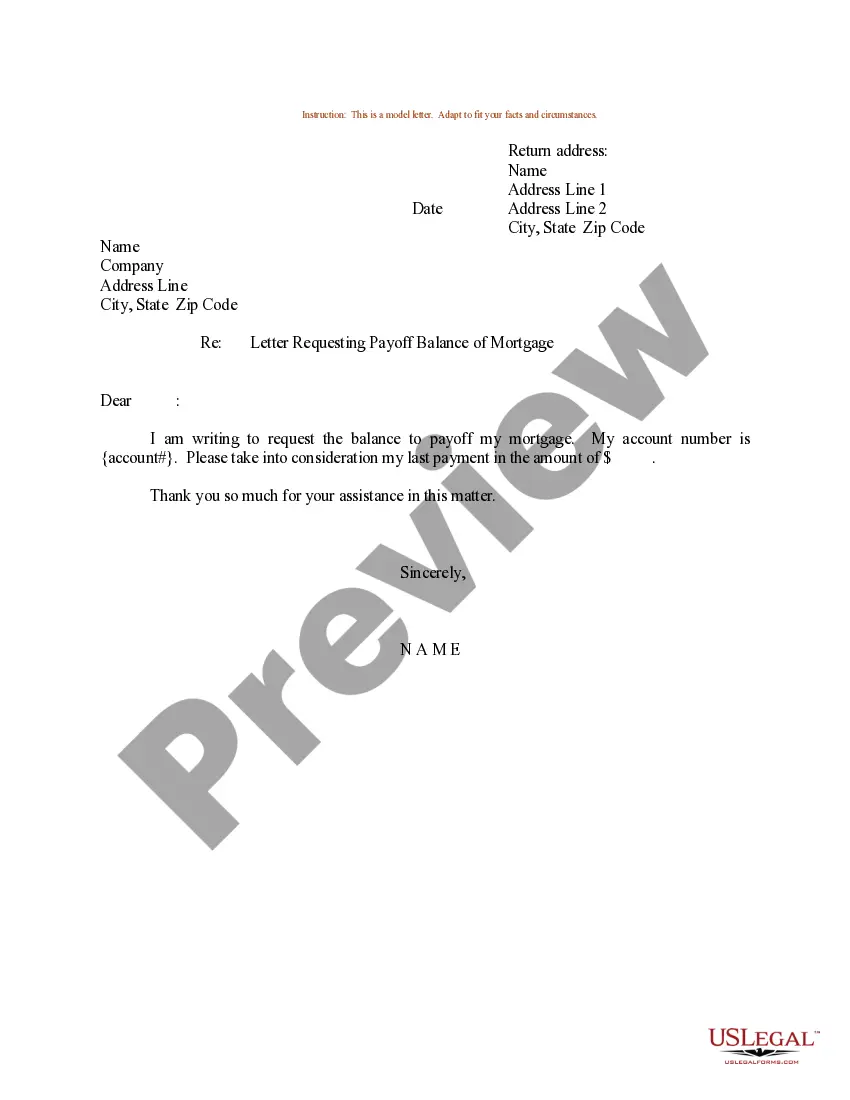
Get your form ready online
Our built-in tools help you complete, sign, share, and store your documents in one place.
Make edits, fill in missing information, and update formatting in US Legal Forms—just like you would in MS Word.
Download a copy, print it, send it by email, or mail it via USPS—whatever works best for your next step.
Sign and collect signatures with our SignNow integration. Send to multiple recipients, set reminders, and more. Go Premium to unlock E-Sign.
If this form requires notarization, complete it online through a secure video call—no need to meet a notary in person or wait for an appointment.
We protect your documents and personal data by following strict security and privacy standards.

Make edits, fill in missing information, and update formatting in US Legal Forms—just like you would in MS Word.

Download a copy, print it, send it by email, or mail it via USPS—whatever works best for your next step.

Sign and collect signatures with our SignNow integration. Send to multiple recipients, set reminders, and more. Go Premium to unlock E-Sign.

If this form requires notarization, complete it online through a secure video call—no need to meet a notary in person or wait for an appointment.

We protect your documents and personal data by following strict security and privacy standards.
Looking for another form?








Form popularity
FAQ
Property owners have 2 years from the date taxes become delinquent (April 1st) before they risk loss of the property. As stated in Florida Statute 197.502, after the 2 year period has elapsed and taxes remain unpaid, the certificate holder may file a tax deed application with the Tax Collector's office.
Beginning January 1, 2023, a $5,000 exemption will be available on property owned by a 100% totally and permanently disabled person who does not use a wheelchair for mobility and/or whose income is over the statutory limit for total tax exemption.
Exemptions you may Apply for Online. Every person who owns and resides on real property in Florida on January 1st and makes the property his or her permanent residence is eligible to receive a Homestead Exemption up to $50,000. The first $25,000 applies to all property taxes, including school district taxes.
Homestead Exemption: Every person who has legal or equitable title to real property in the State of Florida and who resides thereon and in good faith makes it his or her permanent home is eligible to receive a homestead exemption of up to $50,000. The first $25,000 applies to all property taxes.
You are 65 years of age, or older, on January 1; You qualify for, and receive, the Florida Homestead Exemption; Your total 'Household Adjusted Gross Income' for everyone who lives on the property cannot exceed statutory limits.
Every Florida resident who has been certified by one (1) Florida licensed physician as being totally and permanently disabled as of January 1, but not requiring the use of a wheelchair for mobility, can qualify for a $5,000 (Effective January 1, 2023) Disability Exemption on the assessed value of the property.
It might seem like a long time. But remember good things come to those who wait. The first step isMoreIt might seem like a long time. But remember good things come to those who wait. The first step is to prepare the deed. This involves drafting the document. Getting it notarized.
You have three options for recording your documents in the Official Records: You can bring your original documents in person, along with the appropriate fees, and a self-addressed stamped envelope to the Miami-Dade County Courthouse. You can eRecord your document through one of our approved vendors.
Pursuant to Chapter 28 of the Florida Statutes, the Clerk of the Circuit Court is the official recorder of all instruments that may, by law, be recorded in the county. The County Recorder's Office is responsible for the recording, protecting, preserving and disseminating of official records.