Lien Release Letter For Car In King
Description
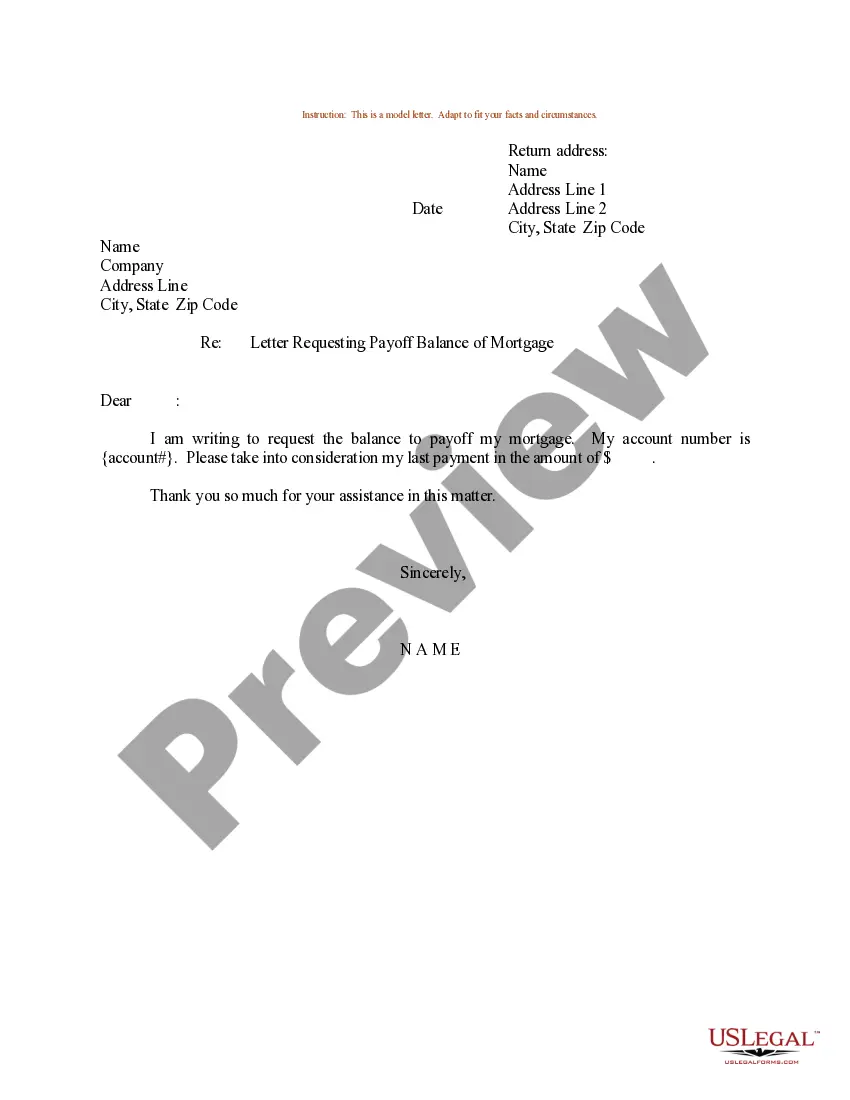
Get your form ready online
Our built-in tools help you complete, sign, share, and store your documents in one place.
Make edits, fill in missing information, and update formatting in US Legal Forms—just like you would in MS Word.
Download a copy, print it, send it by email, or mail it via USPS—whatever works best for your next step.
Sign and collect signatures with our SignNow integration. Send to multiple recipients, set reminders, and more. Go Premium to unlock E-Sign.
If this form requires notarization, complete it online through a secure video call—no need to meet a notary in person or wait for an appointment.
We protect your documents and personal data by following strict security and privacy standards.

Make edits, fill in missing information, and update formatting in US Legal Forms—just like you would in MS Word.

Download a copy, print it, send it by email, or mail it via USPS—whatever works best for your next step.

Sign and collect signatures with our SignNow integration. Send to multiple recipients, set reminders, and more. Go Premium to unlock E-Sign.

If this form requires notarization, complete it online through a secure video call—no need to meet a notary in person or wait for an appointment.

We protect your documents and personal data by following strict security and privacy standards.
Looking for another form?








Form popularity
FAQ
Request a lien removal If the bank failed recently, within the past two years or less, and it was acquired by another financial institution, you should contact the acquiring bank for a lien removal. If you are unable to find the lien holder, contact the FDIC directly to request a release letter.
This involves filling out the appropriate lien release form with all of the essential information, such as the lien recording information and dates, the property location, the owner of the property's name, the lien claimant's name, and so on.
If you don't have a title in hand you'll have to process the lien release before you can sell it.
Include essential details like VIN, year, make, model, owner name, and lienholder information. Ask your lienholder to complete a letter of non-interest if they have no further interest in collecting on the lien. Once you have these documents, mail copies to each address listed for your lienholder via certified mail.
Release of Notice of Federal Tax Lien (Lien Release) A discharge removes the lien from a specific property, but taxes are still owed. Whereas a release removes the lien completely because taxes are no longer owed or the IRS's time to collect has ended.
How to Remove Lien Identify reason for lien. Clear defaults/dues. Withdraw associated requests. Contact bank for errors. Make required payments. Delete linked cards/services.
Without a vehicle title, you have no way to prove you've obtained the vehicle legally and have a right to sell it. Whenever a vehicle is sold, each buyer must fill out and sign the title properly to prove ownership. Buying or selling a vehicle without proof of ownership is illegal in most places.
You can sell it with the original notarized lien release stapled to the title. You'll have to talk to your buyer to see if they're good with that, they may want to retitle with the lien cleared first.

