Lien Payoff Letter Template For Resume In Houston
Description

Get your form ready online
Our built-in tools help you complete, sign, share, and store your documents in one place.
Make edits, fill in missing information, and update formatting in US Legal Forms—just like you would in MS Word.
Download a copy, print it, send it by email, or mail it via USPS—whatever works best for your next step.
Sign and collect signatures with our SignNow integration. Send to multiple recipients, set reminders, and more. Go Premium to unlock E-Sign.
If this form requires notarization, complete it online through a secure video call—no need to meet a notary in person or wait for an appointment.
We protect your documents and personal data by following strict security and privacy standards.

Make edits, fill in missing information, and update formatting in US Legal Forms—just like you would in MS Word.

Download a copy, print it, send it by email, or mail it via USPS—whatever works best for your next step.

Sign and collect signatures with our SignNow integration. Send to multiple recipients, set reminders, and more. Go Premium to unlock E-Sign.

If this form requires notarization, complete it online through a secure video call—no need to meet a notary in person or wait for an appointment.

We protect your documents and personal data by following strict security and privacy standards.
Looking for another form?







Form popularity
FAQ
To file a lien claim, you will need: Property owner's name (or company name) and mailing address. Project address and the county where it is located. The amount owed for each month you performed the work that remains unpaid. A brief description of the work you performed.
To file a lien claim, you will need: A brief description of the work you performed. The original contractor's name (general contractor) and mailing address (only if you are a subcontractor or sub-subcontractor). Sub-subcontractors will also need the name and mailing address of every subcontractor above them.
County Records Office The release of lien in Texas must be filed with the same county office where the original lien was recorded. This ensures that anyone searching the property records will find both the original lien and its subsequent release.
Obtain the lien release form: You can typically find lien release forms online on state government websites or through legal document providers. Make sure you have the correct form for your specific situation.
Interested persons may visit the county clerk's office where the lien is filed and examine relevant public records. Alternatively, the searches can be done online using the county clerk's online search tool (if available in the county of interest).
Creditors know that putting a lien on your property is a cheap and almost guaranteed way of collecting the debt they're owed. In some states, contractors and subcontractors must notify the property owner before filing a lien, but in other states property liens can be filed without any notice to the owner.
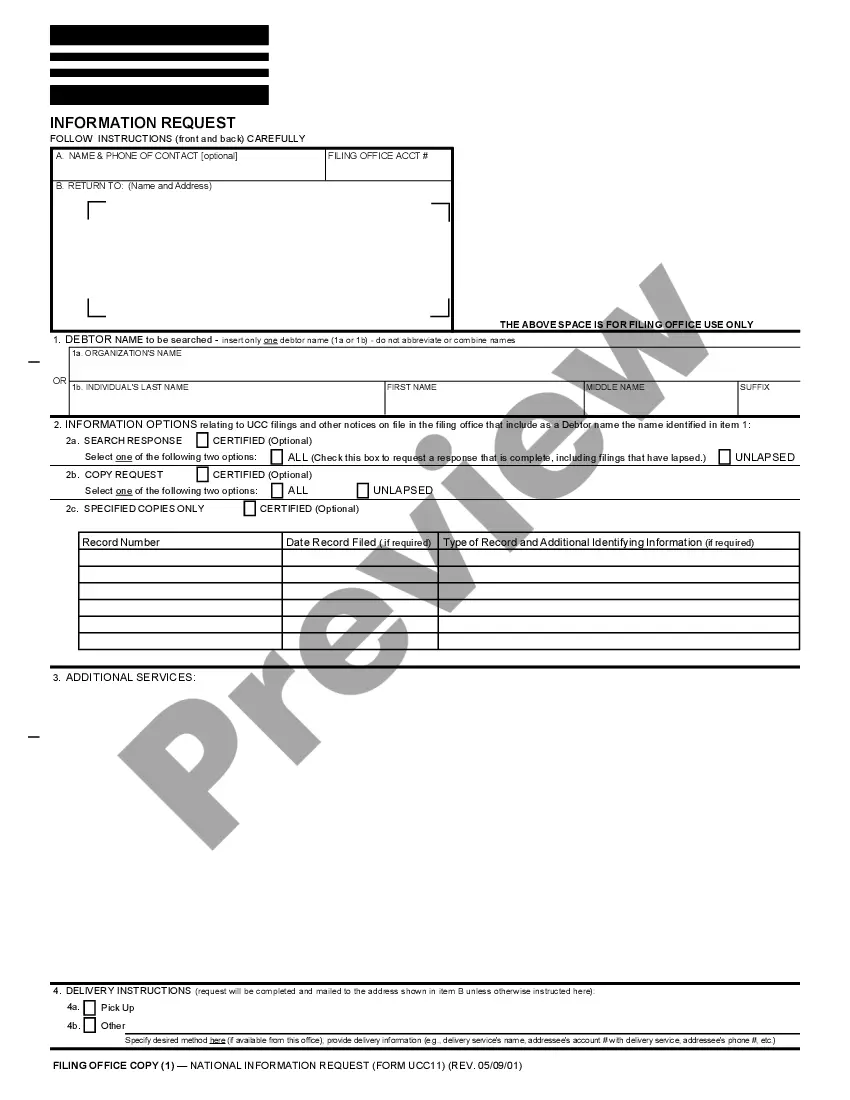
A payoff request allows a third party to receive the current balance due to release a lien or facilitate a business transfer (bulk sale transfer or liquor license). To release a lien or facilitate a bulk sale transfer, businesses must be in good standing to receive a payoff request.

