Payoff Form Statement Format In Hillsborough
Description
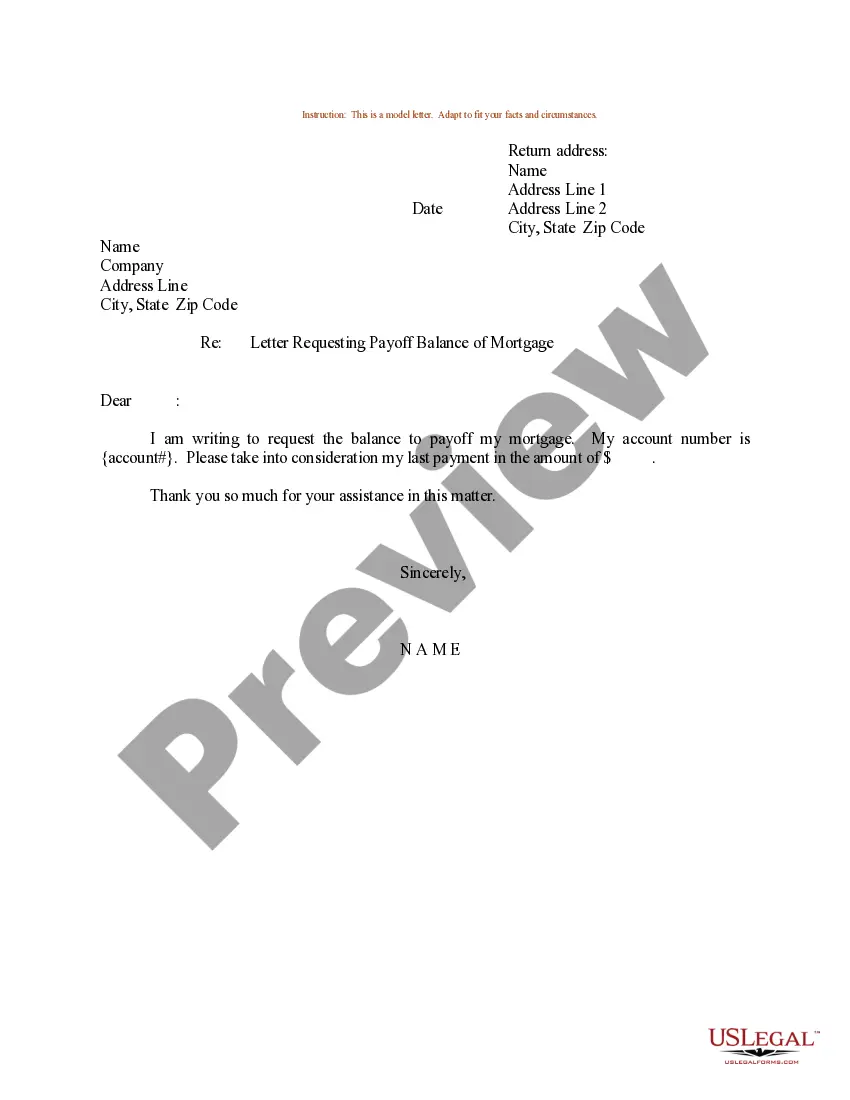
Get your form ready online
Our built-in tools help you complete, sign, share, and store your documents in one place.
Make edits, fill in missing information, and update formatting in US Legal Forms—just like you would in MS Word.
Download a copy, print it, send it by email, or mail it via USPS—whatever works best for your next step.
Sign and collect signatures with our SignNow integration. Send to multiple recipients, set reminders, and more. Go Premium to unlock E-Sign.
If this form requires notarization, complete it online through a secure video call—no need to meet a notary in person or wait for an appointment.
We protect your documents and personal data by following strict security and privacy standards.

Make edits, fill in missing information, and update formatting in US Legal Forms—just like you would in MS Word.

Download a copy, print it, send it by email, or mail it via USPS—whatever works best for your next step.

Sign and collect signatures with our SignNow integration. Send to multiple recipients, set reminders, and more. Go Premium to unlock E-Sign.

If this form requires notarization, complete it online through a secure video call—no need to meet a notary in person or wait for an appointment.

We protect your documents and personal data by following strict security and privacy standards.
Looking for another form?





Form popularity
FAQ
A person can file a quitclaim deed by (1) entering the relevant information on a quitclaim deed form, (2) signing the deed with two witnesses and a notary, and (3) recording the deed at the county comptroller's office. In Florida, quitclaim deeds must have the name and address of both the grantor and the grantee.
You do not have to be an attorney to prepare a Florida quitclaim deed. Absent attorney fees, your costs would only be the recording fees that the county comptroller charges and transfer fees if the property is mortgaged.
And grantee a description of the property. And the date of transfer. The property description shouldMoreAnd grantee a description of the property. And the date of transfer. The property description should be precise to avoid any disputes once the form is completed it must be signed by the grtor.
A person can file a quitclaim deed by (1) entering the relevant information on a quitclaim deed form, (2) signing the deed with two witnesses and a notary, and (3) recording the deed at the county comptroller's office. In Florida, quitclaim deeds must have the name and address of both the grantor and the grantee.
Under Florida law, a parcel of real property becomes eligible for a tax deed sale when ad valorem property taxes become more than two years past due.
Property owners have 2 years from the date taxes become delinquent (April 1st) before they risk loss of the property. As stated in Florida Statute 197.502, after the 2 year period has elapsed and taxes remain unpaid, the certificate holder may file a tax deed application with the Tax Collector's office.
No Ownership Rights: Important to remember: Paying the delinquent taxes doesn't grant you any ownership rights to the property itself. You're simply helping the owner avoid further consequences like a potential tax deed sale.
Start by identifying properties that have accrued delinquent taxes. These can typically be found through county tax assessor websites or specific online platforms that list properties under tax lien or deed sale.
Visit the Assessor's Office or Website Searching the website of the county recorder or assessor can give you access to information concerning a property including the tax liens on it. All you will be needing are the name of the owner and/or the address of the property in question.
A person can file a quitclaim deed by (1) entering the relevant information on a quitclaim deed form, (2) signing the deed with two witnesses and a notary, and (3) recording the deed at the county comptroller's office. In Florida, quitclaim deeds must have the name and address of both the grantor and the grantee.

