Loan Payoff Letter Format Foreclosure In Chicago
Description
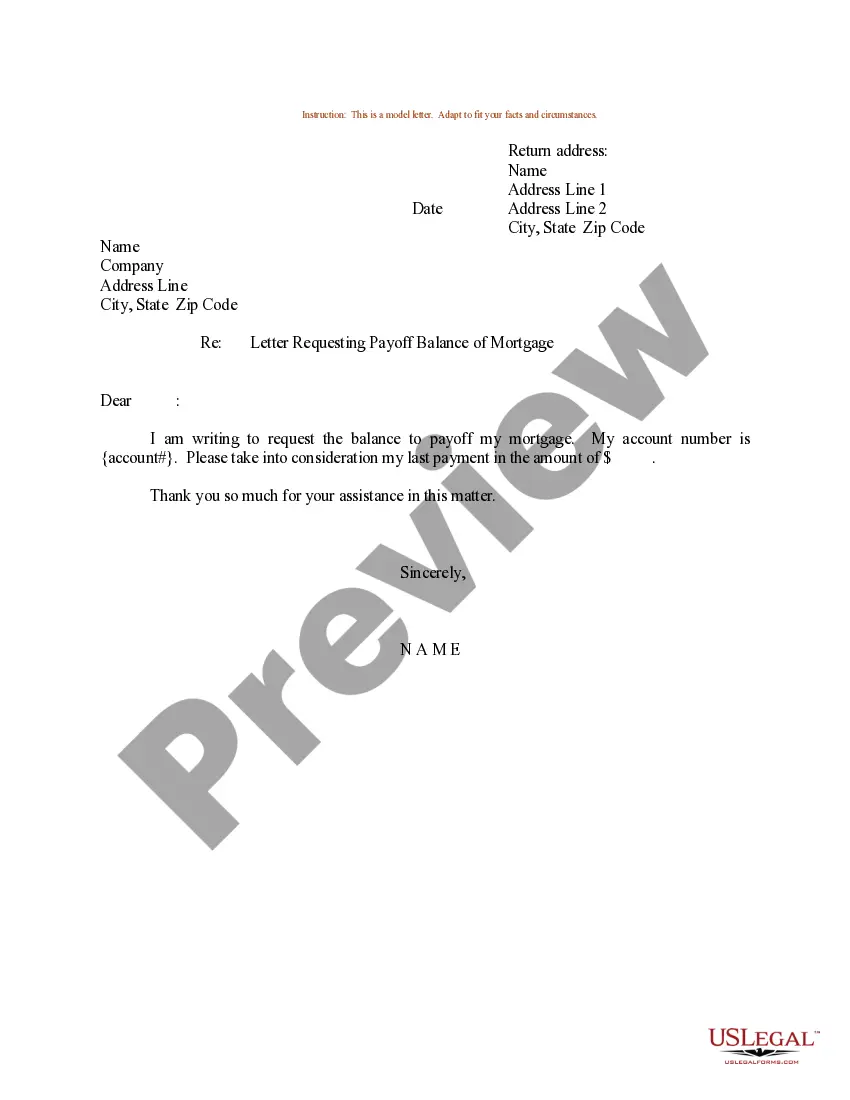
Get your form ready online
Our built-in tools help you complete, sign, share, and store your documents in one place.
Make edits, fill in missing information, and update formatting in US Legal Forms—just like you would in MS Word.
Download a copy, print it, send it by email, or mail it via USPS—whatever works best for your next step.
Sign and collect signatures with our SignNow integration. Send to multiple recipients, set reminders, and more. Go Premium to unlock E-Sign.
If this form requires notarization, complete it online through a secure video call—no need to meet a notary in person or wait for an appointment.
We protect your documents and personal data by following strict security and privacy standards.

Make edits, fill in missing information, and update formatting in US Legal Forms—just like you would in MS Word.

Download a copy, print it, send it by email, or mail it via USPS—whatever works best for your next step.

Sign and collect signatures with our SignNow integration. Send to multiple recipients, set reminders, and more. Go Premium to unlock E-Sign.

If this form requires notarization, complete it online through a secure video call—no need to meet a notary in person or wait for an appointment.

We protect your documents and personal data by following strict security and privacy standards.
Looking for another form?









Form popularity
FAQ
In Illinois, the foreclosure process begins when a lender files a lawsuit against a homeowner after the 120-day pre-foreclosure period has ended.
Foreclosure proceedings begin with a complaint filed by the lender. The borrower is served a copy of the complaint and a summons, along with a notice of his or her rights during foreclosure. In most cases, the borrower has 30 days to file a response. Failure to respond will result in a default judgment for the lender.
A judge in the Circuit Court of Cook County oversees the foreclosure process, which typically involves the lender filing a lawsuit against the homeowner for defaulting on the mortgage. If the Court finds in favor of the lender, it can result in the forced sale of the property to repay the outstanding mortgage debt.
4 Hours Single-PlayerPolledAverage Main Story 15 3h 32m Main + Extras 11 4h 17m Completionist 17 4h 54m All PlayStyles 43 4h 16m
This is basically a document telling you that the lender will foreclose on your property if you do not take action to stop it. Ignoring it will only lead to further legal trouble, and it could prevent you from being able to negotiate with the lender to find a solution that allows you to keep your home.
A Notice of Intention to Foreclose is your lender telling you that they are planning to foreclose on your property because you are behind on your mortgage payments.
Mortgage Foreclosure Surplus Funds Claiming a surplus involves filing a Motion, mailing or serving Notice of Motion and a copy of your Motion to all parties involved in the case, scheduling a court date and appearing before the judge to request an Order to have your surplus funds released.
Overview of the California Foreclosure Timeline Missed Payments (Day 1-30) ... Notice of Default (NOD) (Day 90-180) ... Notice of Trustee's Sale (NOS) (Day 180-201) ... Foreclosure Auction (Day 201-312) ... Eviction and Post-Foreclosure (After Auction)

