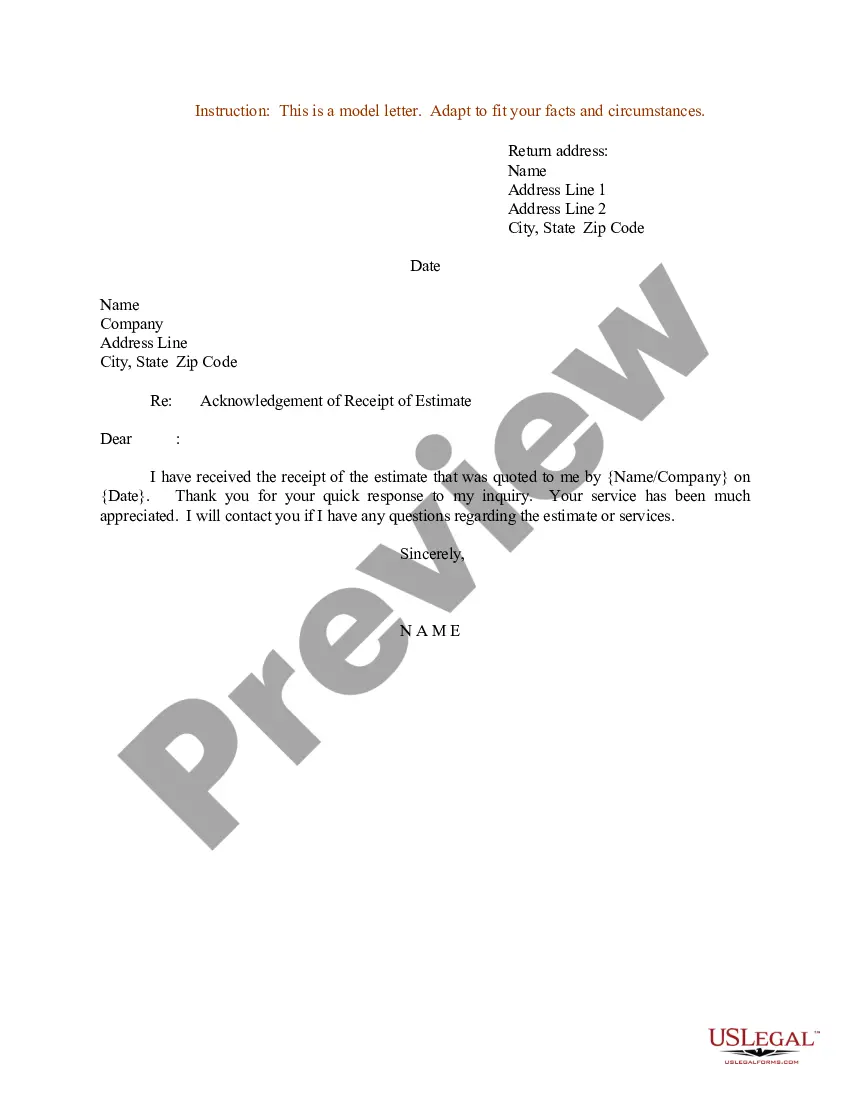
E Commerce Agreement Template Forecasting In San Diego
Description


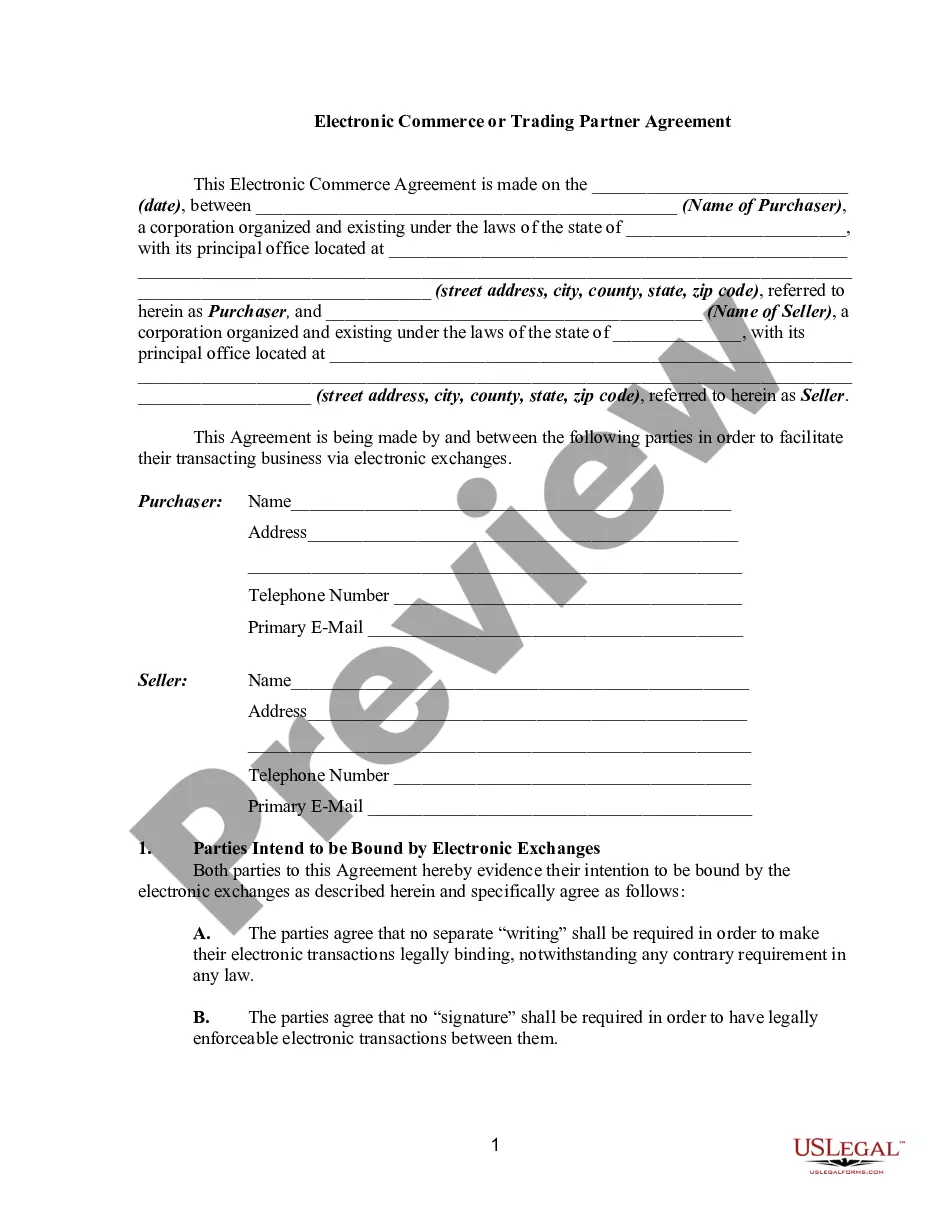
Get your form ready online
Our built-in tools help you complete, sign, share, and store your documents in one place.
Make edits, fill in missing information, and update formatting in US Legal Forms—just like you would in MS Word.
Download a copy, print it, send it by email, or mail it via USPS—whatever works best for your next step.
Sign and collect signatures with our SignNow integration. Send to multiple recipients, set reminders, and more. Go Premium to unlock E-Sign.
If this form requires notarization, complete it online through a secure video call—no need to meet a notary in person or wait for an appointment.
We protect your documents and personal data by following strict security and privacy standards.

Make edits, fill in missing information, and update formatting in US Legal Forms—just like you would in MS Word.

Download a copy, print it, send it by email, or mail it via USPS—whatever works best for your next step.

Sign and collect signatures with our SignNow integration. Send to multiple recipients, set reminders, and more. Go Premium to unlock E-Sign.

If this form requires notarization, complete it online through a secure video call—no need to meet a notary in person or wait for an appointment.

We protect your documents and personal data by following strict security and privacy standards.
Looking for another form?
Form popularity
FAQ
commerce (electronic commerce) is the buying and selling of goods and services, or the transmitting of funds or data, over an electronic network, primarily the internet.
4 steps to create a digital roadmap for your eCommerce retail brand: Step One: Gather insights on your target customer. Step Two: Construct your customer's journey. Step Three: Assess your current benchmarks and create future milestones. Step Four: Devise effective strategies to reach your goals.
An ecommerce strategy roadmap is a visual tool used to organize the tools, services, and platforms required for achieving business goals and executing a brand vision. It's essential for any ecommerce business owner looking to streamline operations, scale effectively, and ensure long-term success.
How to Create a Website Roadmap in 7 Steps Step 1: Define Website Goals. Step one is to ask yourself what objectives must be achieved. Step 2: Outline Scope. Step 3: List the Website Structure. Step 4: Establish a Timeline. Step 5: Create a Task List. Step 6: Prioritize Tasks. Step 7: Assign Tasks.
Business-to-Business (B2B) Business-to-Consumer (B2C) Consumer-to-Consumer (C2C) Consumer-to-Business (C2B)
5 basic steps in an ecommerce demand forecasting process Define goals. The first step in ecommerce demand forecasting is to clearly define your goals. Collect data. With your goals firmly in place, you can start collecting internal and external data. Analyze data. Forecast demand. Make adjustments.
Follow these steps to create a concise, easy-to-understand roadmap. Choose the right type of roadmap. Define your strategy. Identify the highest-value initiatives. Establish milestones and deadlines. Clarify teams and stakeholders. Decide on the timeline. Share your roadmap and collaborate. Bring your roadmap to life.
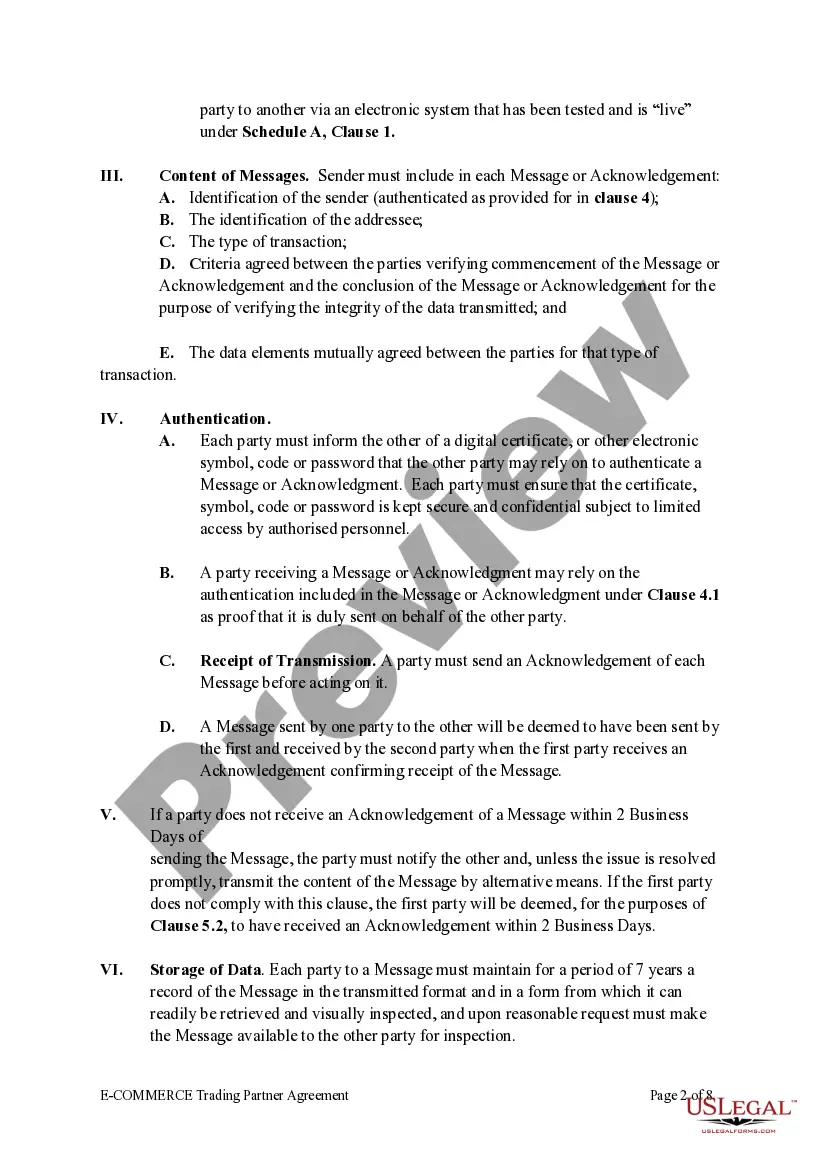
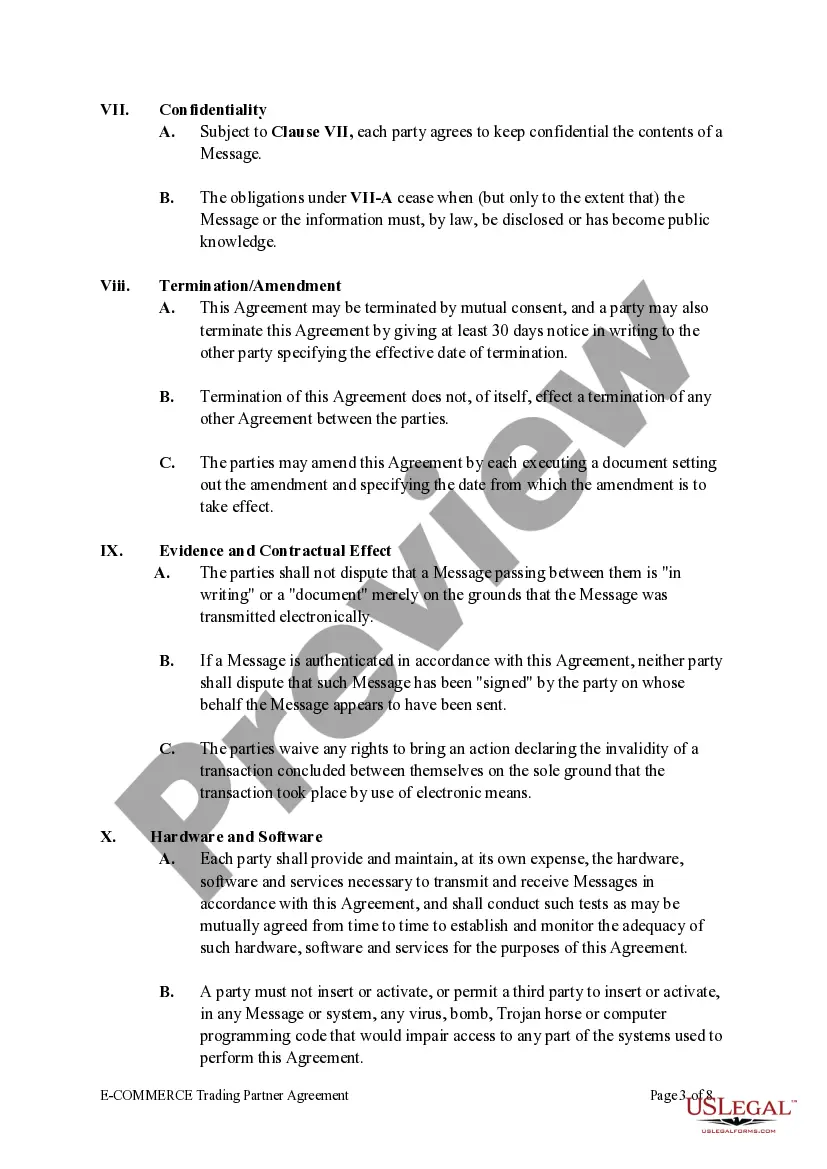
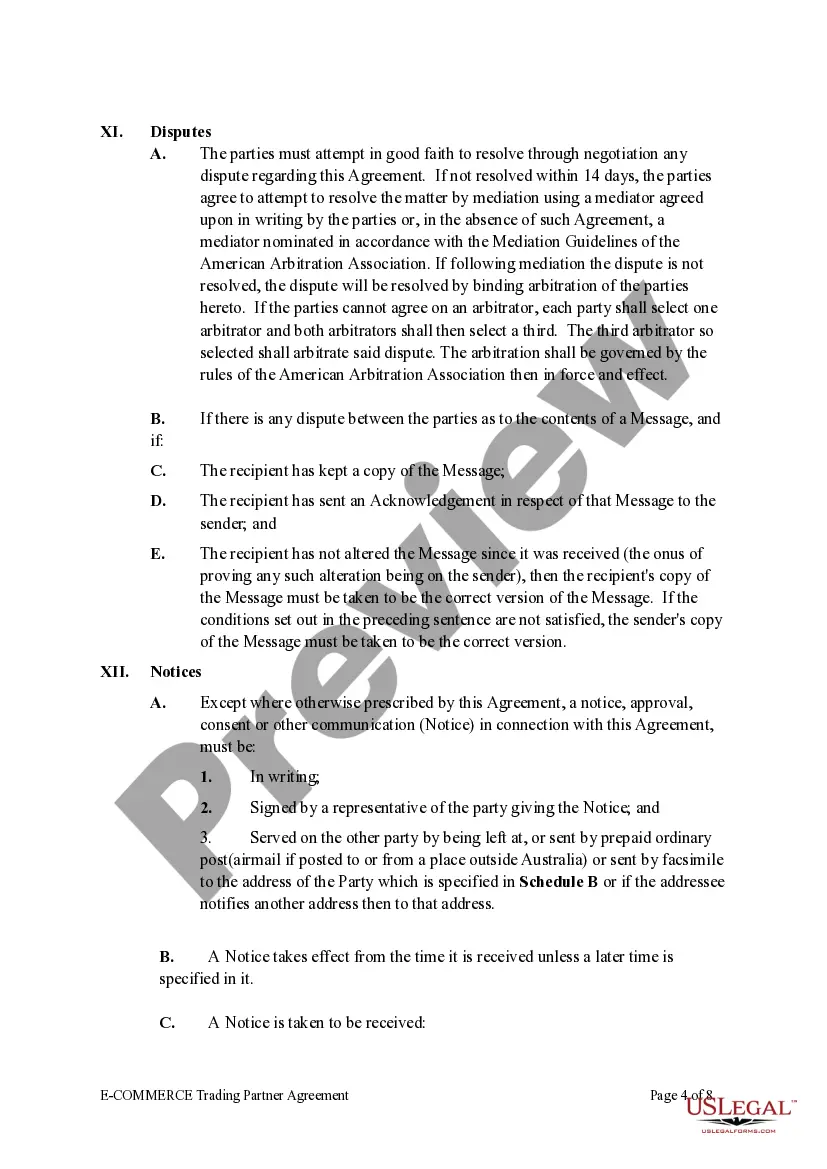
ECommerce agreements disclose the contractual relationship and obligations between a website owner and its commercial users.
Revenue in the eCommerce Market is projected to reach US$4,791.00bn in 2025. Revenue is expected to show an annual growth rate (CAGR 2025-2029) of 7.83%, resulting in a projected market volume of US$6,478.00bn by 2029.
A website that allows people to buy and sell physical goods, services, and digital products over the internet rather than at a brick-and-mortar location. Through an e-commerce website, a business can process orders, accept payments, manage shipping and logistics, and provide customer service.