Sba Loans Assumed With Property You Received In Wayne
Description

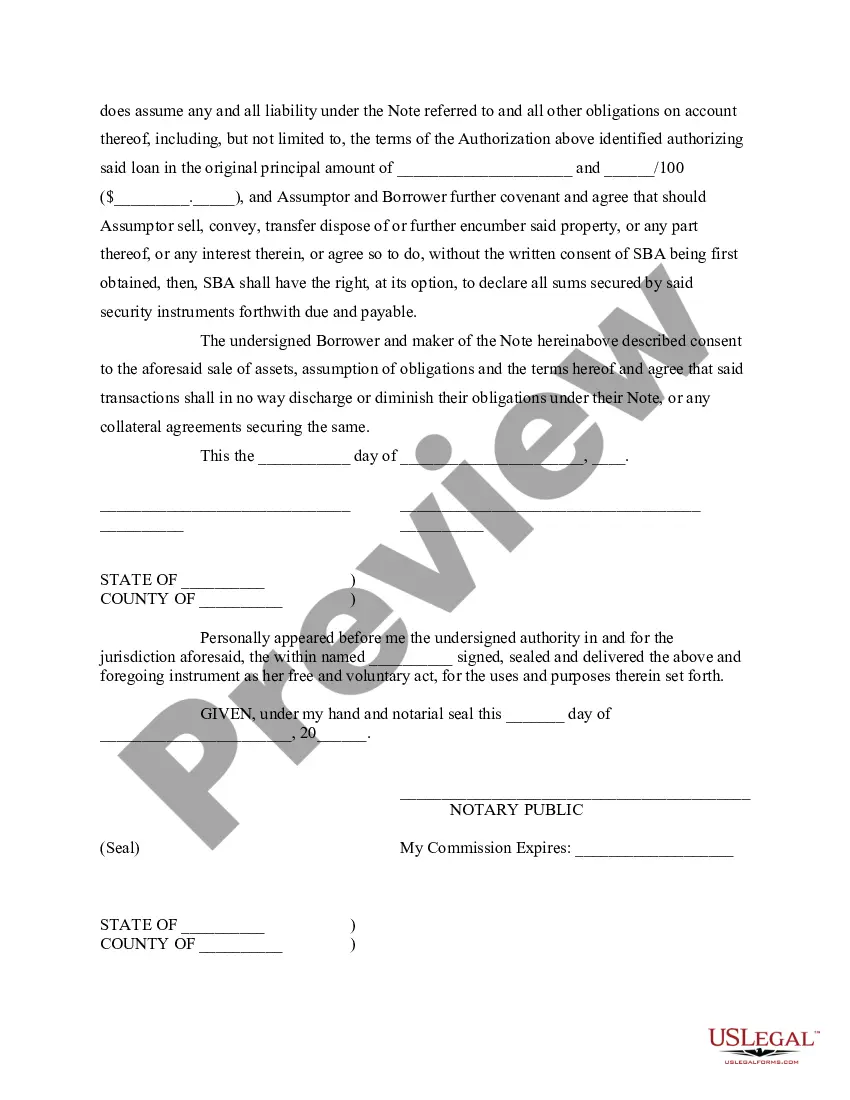
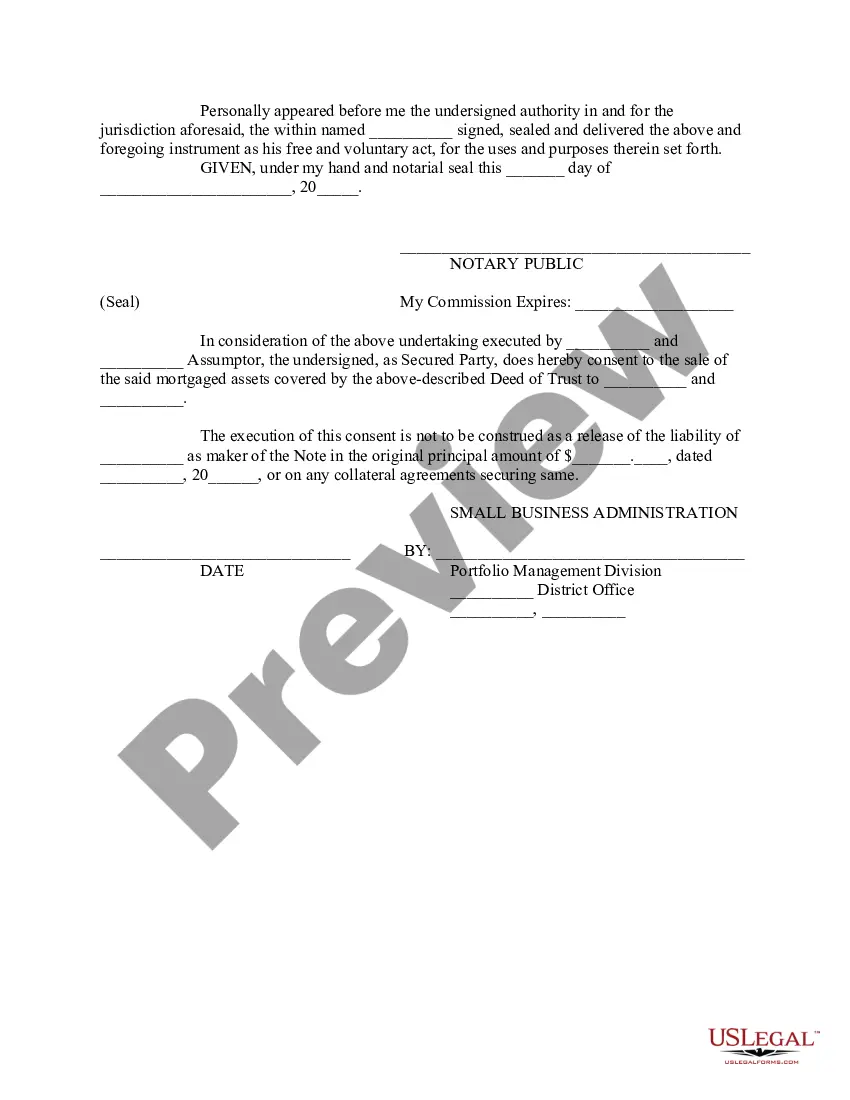
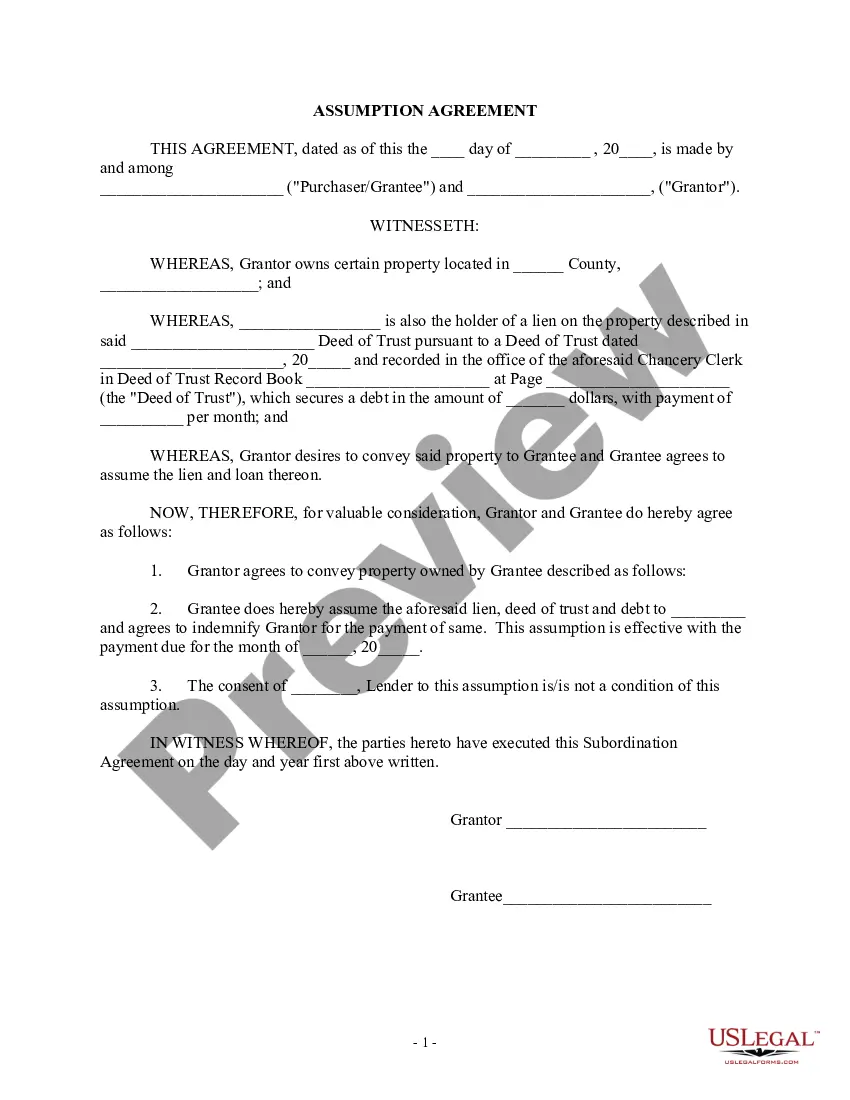
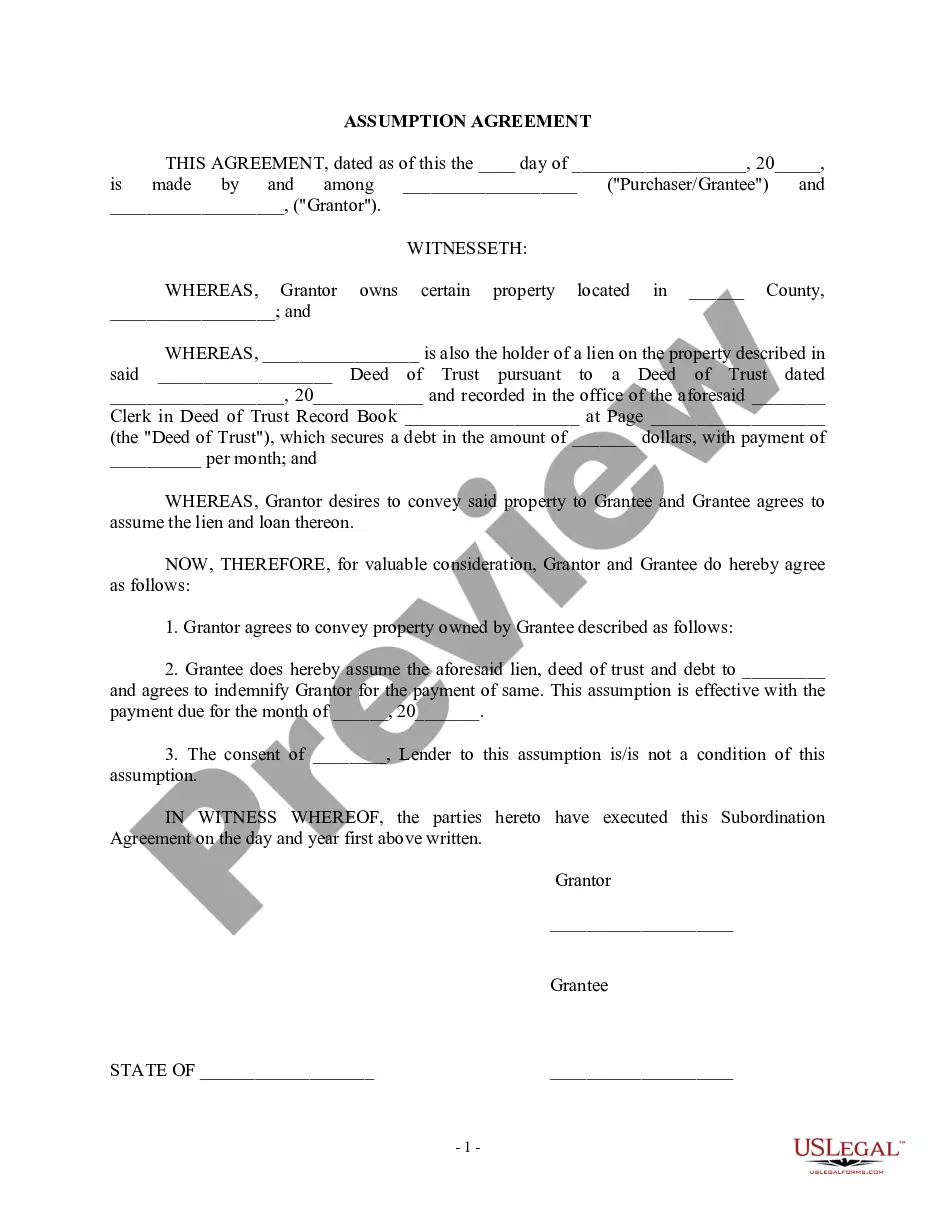
Get your form ready online
Our built-in tools help you complete, sign, share, and store your documents in one place.
Make edits, fill in missing information, and update formatting in US Legal Forms—just like you would in MS Word.
Download a copy, print it, send it by email, or mail it via USPS—whatever works best for your next step.
Sign and collect signatures with our SignNow integration. Send to multiple recipients, set reminders, and more. Go Premium to unlock E-Sign.
If this form requires notarization, complete it online through a secure video call—no need to meet a notary in person or wait for an appointment.
We protect your documents and personal data by following strict security and privacy standards.

Make edits, fill in missing information, and update formatting in US Legal Forms—just like you would in MS Word.

Download a copy, print it, send it by email, or mail it via USPS—whatever works best for your next step.

Sign and collect signatures with our SignNow integration. Send to multiple recipients, set reminders, and more. Go Premium to unlock E-Sign.

If this form requires notarization, complete it online through a secure video call—no need to meet a notary in person or wait for an appointment.

We protect your documents and personal data by following strict security and privacy standards.
Looking for another form?








Form popularity
FAQ
All loans insured by the SBA require a personal guarantee from every owner with a 20 percent or greater equity stake in the business.
If a business hasn't been in business for five years, multiply its average weekly revenue by 52 to determine its average annual receipts. SBA calculates annual receipts in ance with 13 CFR 121.104.
Most Small Business Administration (SBA) loans require a personal credit check, and some loans also require a business credit check.
In the November 2022 rule, SBA increased these thresholds for inflation. Currently, the net worth of an economically disadvantaged individual must be less than $850,000 (13 CFR 124.104(c)(2)), Income (AGI) (13 CFR 124.104(c)(3)) must be less than $400,000, and Total Assets (13 CFR 124.104(c)(4)) less than $6.5 million.
SBA's current regulations provide that a joint venture can be awarded no more than three contracts over a two-year period. While SBA plans to keep the two-year lifespan for joint venture awards, it plans to get rid of the three contract maximum.
Individuals who own 20% or more of a small business applicant must provide an unlimited personal guaranty. SBA Lenders may use this form.
When seeking a lien release, borrowers should approach the SBA with a well-prepared case that highlights the equity in their assets and the potential for a fair settlement. It is essential to gather documentation and evidence that supports your position and demonstrate your willingness to resolve the debt.
The mortgage balance, interest rate, and repayment schedule all carry over to the buyer. However, only Federal Housing Administration (FHA) loans, U.S. Department of Agriculture (USDA) loans, and U.S. Department of Veterans Affairs (VA) loans can qualify. Conventional mortgages cannot be assumed.