Sba Loan Agreement With Guarantor In Tarrant
Description

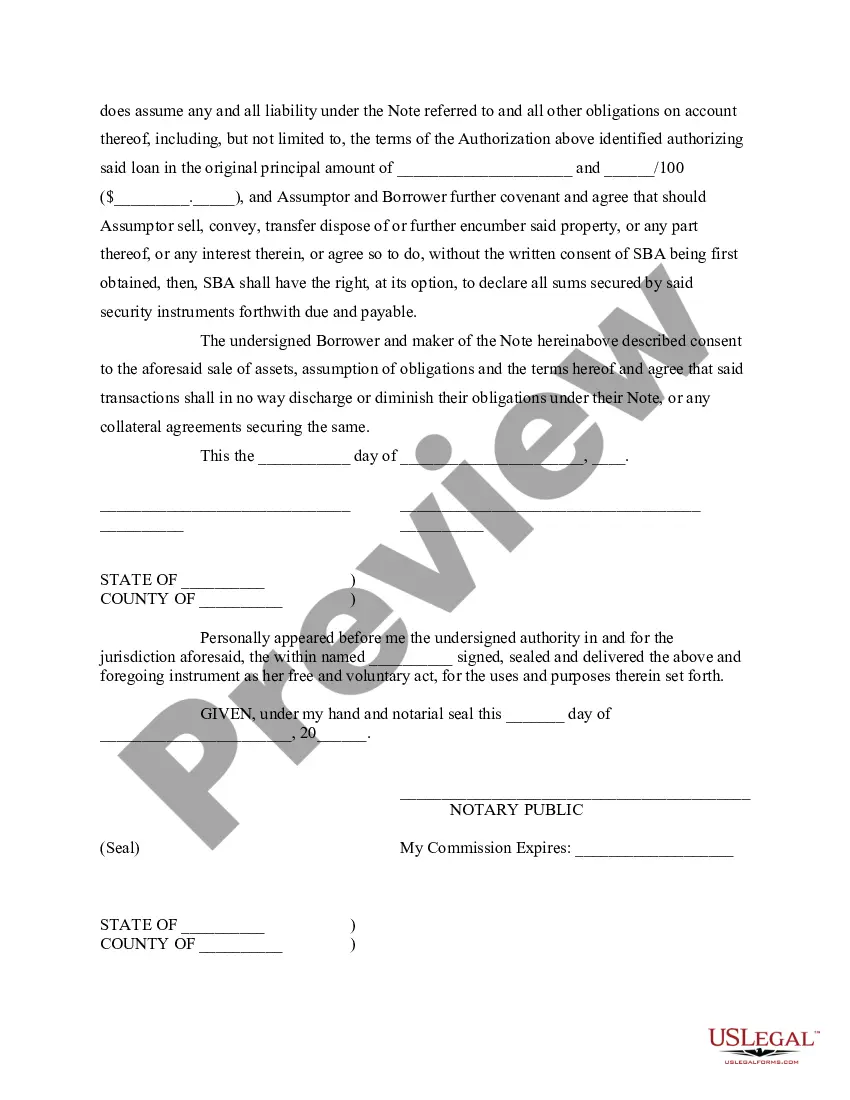
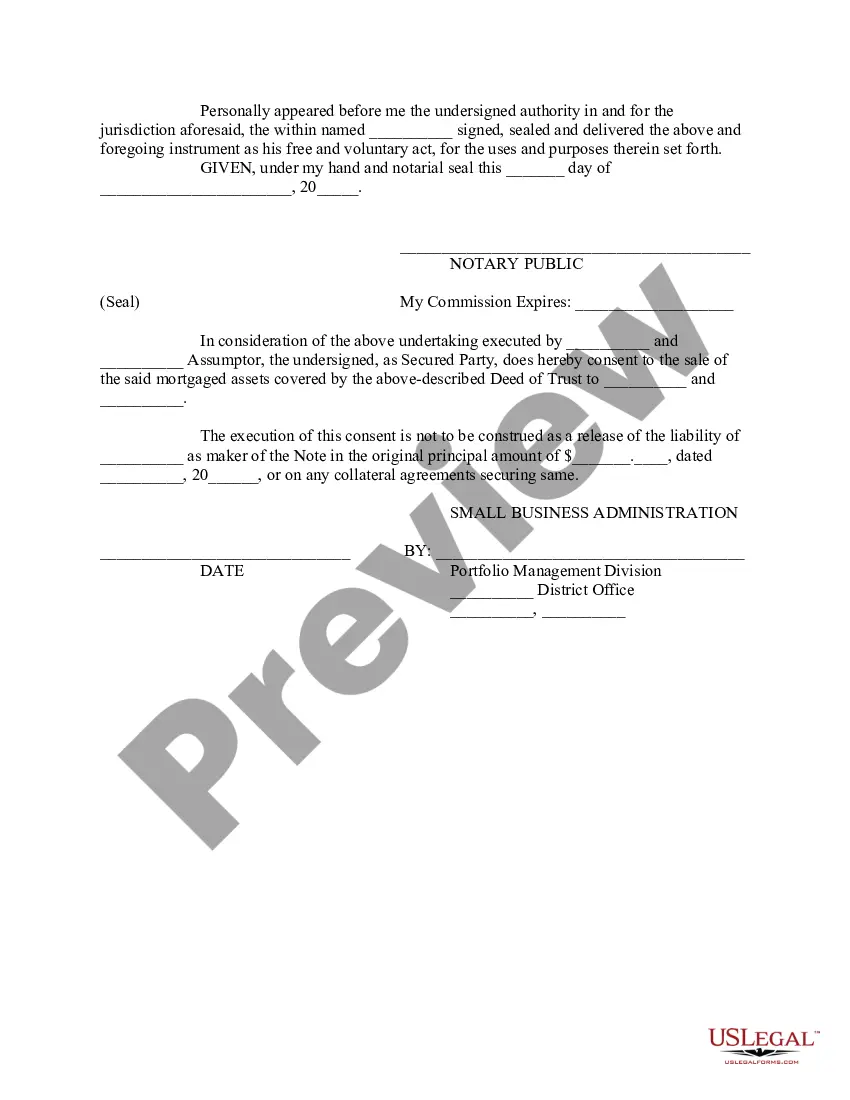

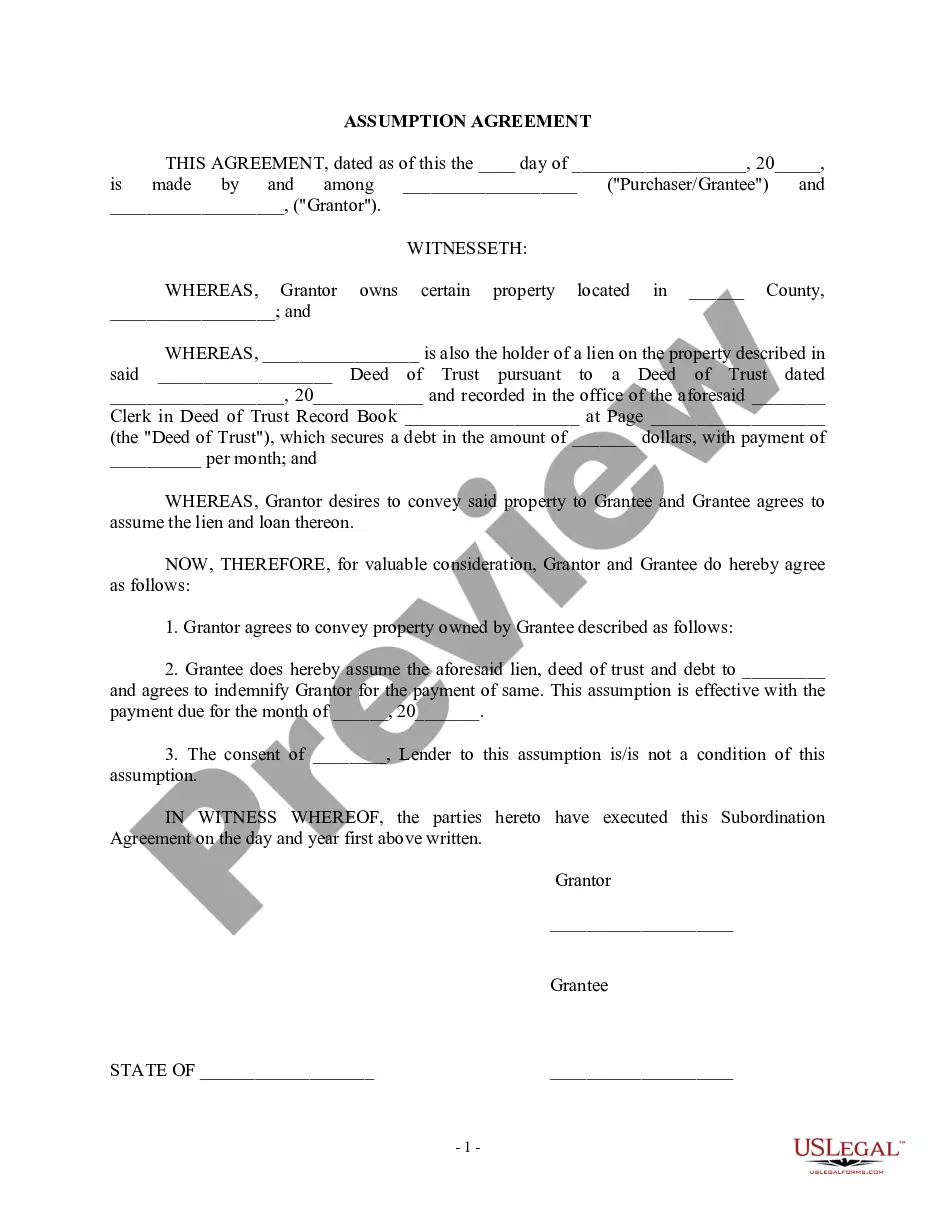
Get your form ready online
Our built-in tools help you complete, sign, share, and store your documents in one place.
Make edits, fill in missing information, and update formatting in US Legal Forms—just like you would in MS Word.
Download a copy, print it, send it by email, or mail it via USPS—whatever works best for your next step.
Sign and collect signatures with our SignNow integration. Send to multiple recipients, set reminders, and more. Go Premium to unlock E-Sign.
If this form requires notarization, complete it online through a secure video call—no need to meet a notary in person or wait for an appointment.
We protect your documents and personal data by following strict security and privacy standards.

Make edits, fill in missing information, and update formatting in US Legal Forms—just like you would in MS Word.

Download a copy, print it, send it by email, or mail it via USPS—whatever works best for your next step.

Sign and collect signatures with our SignNow integration. Send to multiple recipients, set reminders, and more. Go Premium to unlock E-Sign.

If this form requires notarization, complete it online through a secure video call—no need to meet a notary in person or wait for an appointment.

We protect your documents and personal data by following strict security and privacy standards.
Looking for another form?










Form popularity
FAQ
Benefits of SBA-guaranteed loans Unique benefits: Lower down payments, flexible overhead requirements, and no collateral needed for some loans.
All loans insured by the SBA require a personal guarantee from every owner with a 20 percent or greater equity stake in the business.
Pursuant to 13 CFR § 120.160(a), all SBA 7(a) loans must be guaranteed by at least one person or entity. Generally, guarantees are required of any individual or entity who owns 20% or more of a borrower entity.
Most Small Business Administration (SBA) loans require a personal credit check, and some loans also require a business credit check.
Individuals who own 20% or more of a small business applicant must provide an unlimited personal guaranty. SBA Lenders may use this form.
List your assets: Identify and value all your assets using current market values for investments and real estate. List your liabilities: Include all your debts, noting the remaining balances and interest rates. Calculate your net worth: Subtract your total liabilities from your assets to determine your net worth.
Your Net Worth Statement should include assets or debts that are yours alone (I-Individual), assets or debts that are jointly (J-Joint) held by you and a spouse or significant other, assets or debts that are held by a spouse or significant other (S-Spouse or Significant Other) that you enjoy the benefits of or make ...
The statement of financial position follows the basic accounting equation of Assets = Liabilities + Equity. Therefore, the resulting figure shown at the end of the statement will be the difference between the company's assets and liabilities.
Installment Account Other : Enter amount of the present balance of the debt that you owe for other installment account. Please be sure to indicate the total monthly payment in the space provided. For example, include the balances of all credit card debts in this line.
