Sba Eidl Loan Rules In Palm Beach
Description

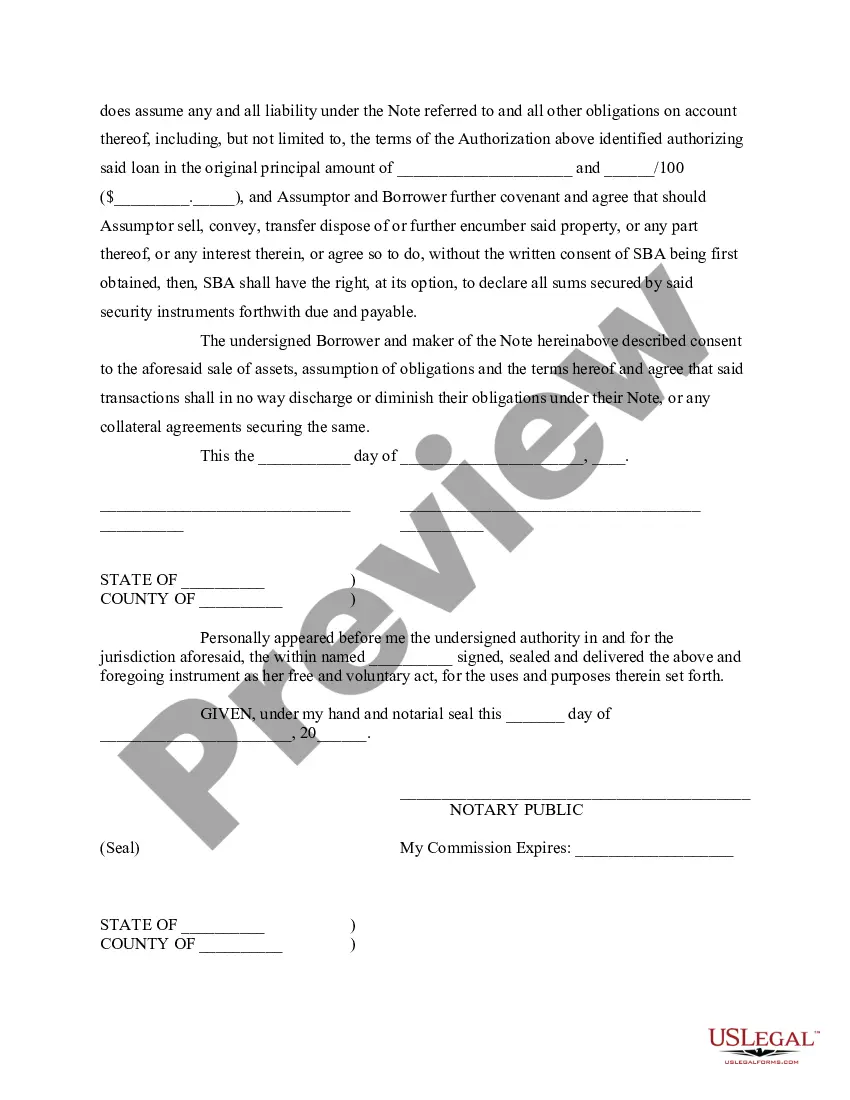
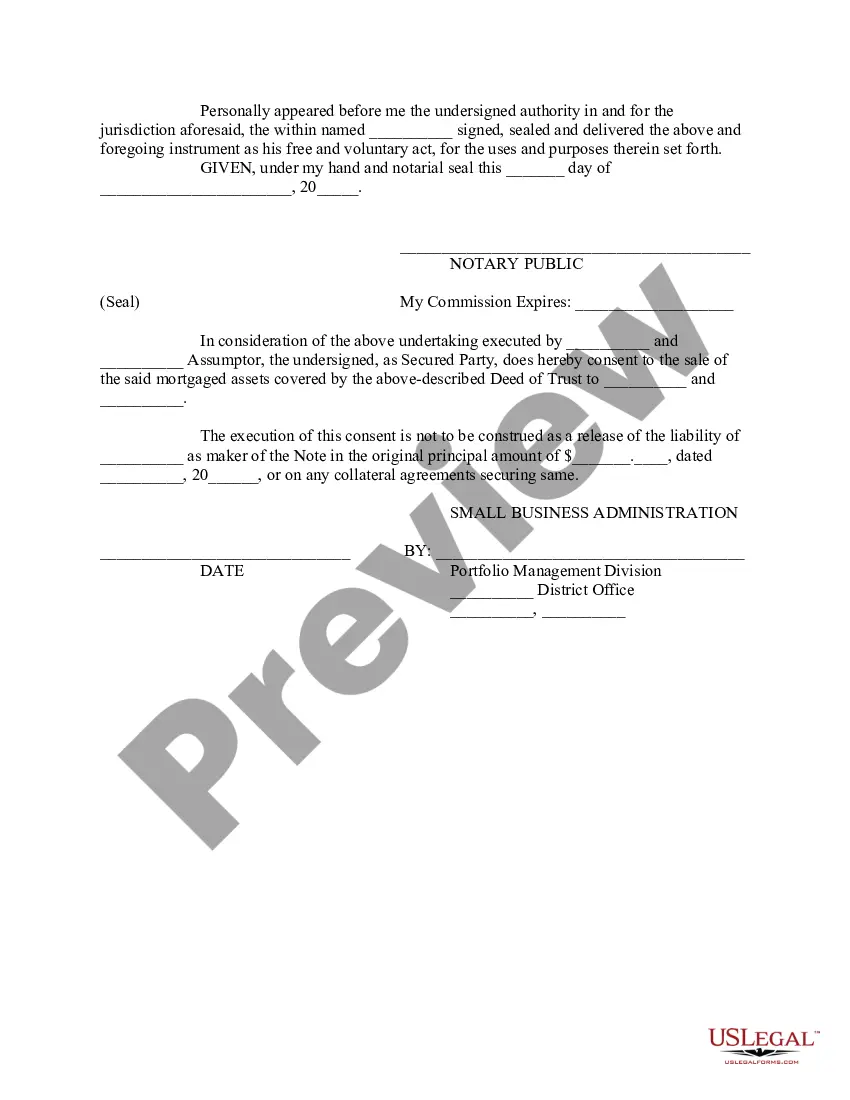
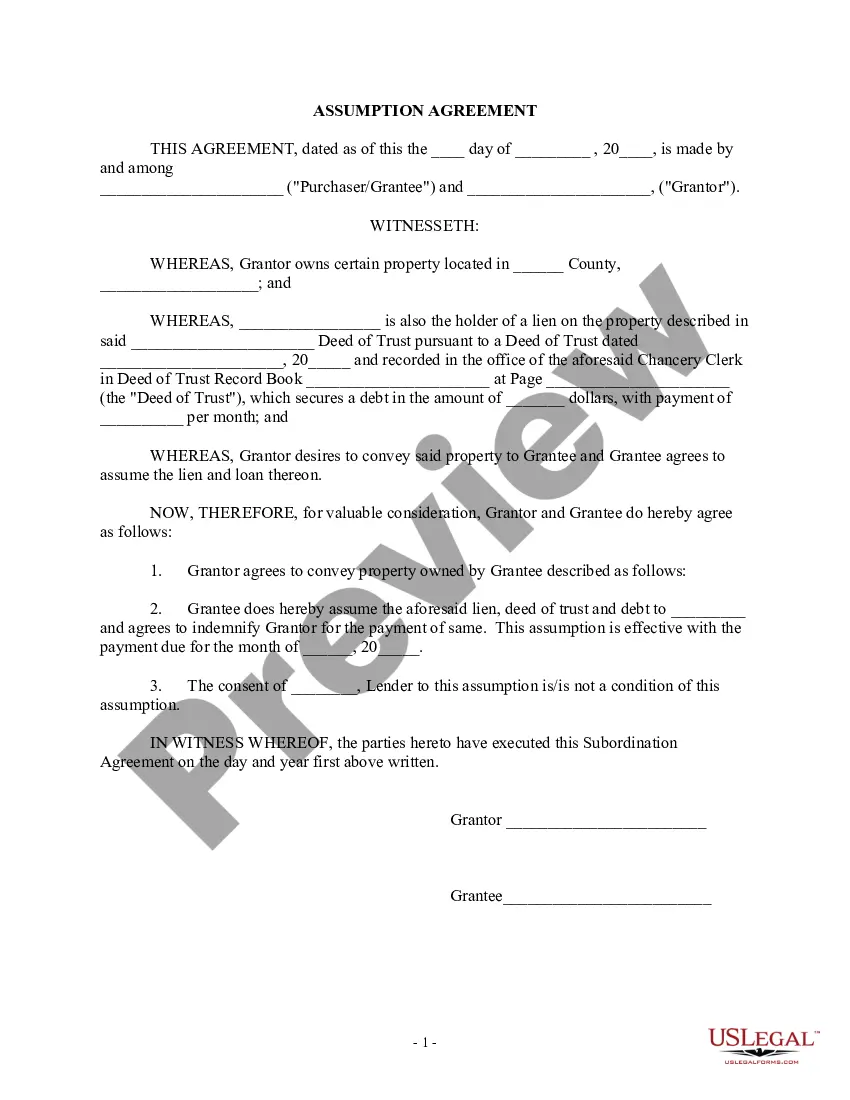
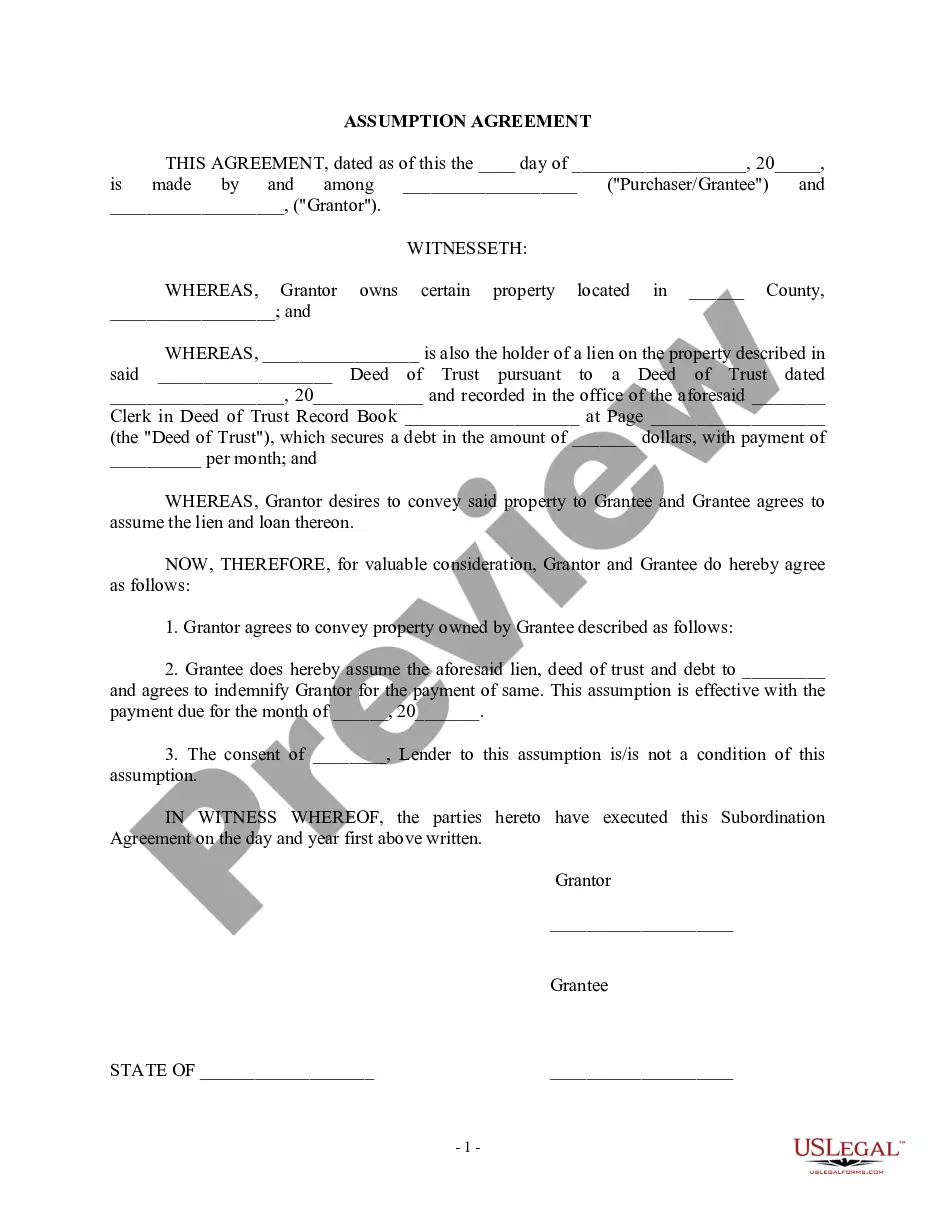
Get your form ready online
Our built-in tools help you complete, sign, share, and store your documents in one place.
Make edits, fill in missing information, and update formatting in US Legal Forms—just like you would in MS Word.
Download a copy, print it, send it by email, or mail it via USPS—whatever works best for your next step.
Sign and collect signatures with our SignNow integration. Send to multiple recipients, set reminders, and more. Go Premium to unlock E-Sign.
If this form requires notarization, complete it online through a secure video call—no need to meet a notary in person or wait for an appointment.
We protect your documents and personal data by following strict security and privacy standards.

Make edits, fill in missing information, and update formatting in US Legal Forms—just like you would in MS Word.

Download a copy, print it, send it by email, or mail it via USPS—whatever works best for your next step.

Sign and collect signatures with our SignNow integration. Send to multiple recipients, set reminders, and more. Go Premium to unlock E-Sign.

If this form requires notarization, complete it online through a secure video call—no need to meet a notary in person or wait for an appointment.

We protect your documents and personal data by following strict security and privacy standards.
Looking for another form?






Form popularity
FAQ
There is no provision for forgiveness on these loans, nor should anyone expect that there will be. The EIDL is a decades-old program, and if they forgive loans for this particular disaster, then borrowers for every other EIDL program are going to expect forgiveness on their loans as well. It's not happening.
COVID-19 EIDL is not forgivable.
As of January 2025, there are no plans to forgive outstanding SBA EIDL loans.
As of January 2025, there are no plans to forgive outstanding SBA EIDL loans. There are a variety of challenges involved with widespread forgiveness.
While the Internal Revenue Service has the right to take possession of your assets (including your home) through a tax levy, they'll do it as a last resort. They're more likely to explore a less damaging collection option, and only then will they consider taking your home.
In many ways, Florida state law favors the homeowner over the mortgage lender. One of the principle examples of this is the fact that the law requires the lender to carry out a judicial foreclosure. What this means to you is that the bank cannot simply foreclose on the property and evict you from your home.
