Sba Loan Assumption With A Mortgage In Ohio
Description

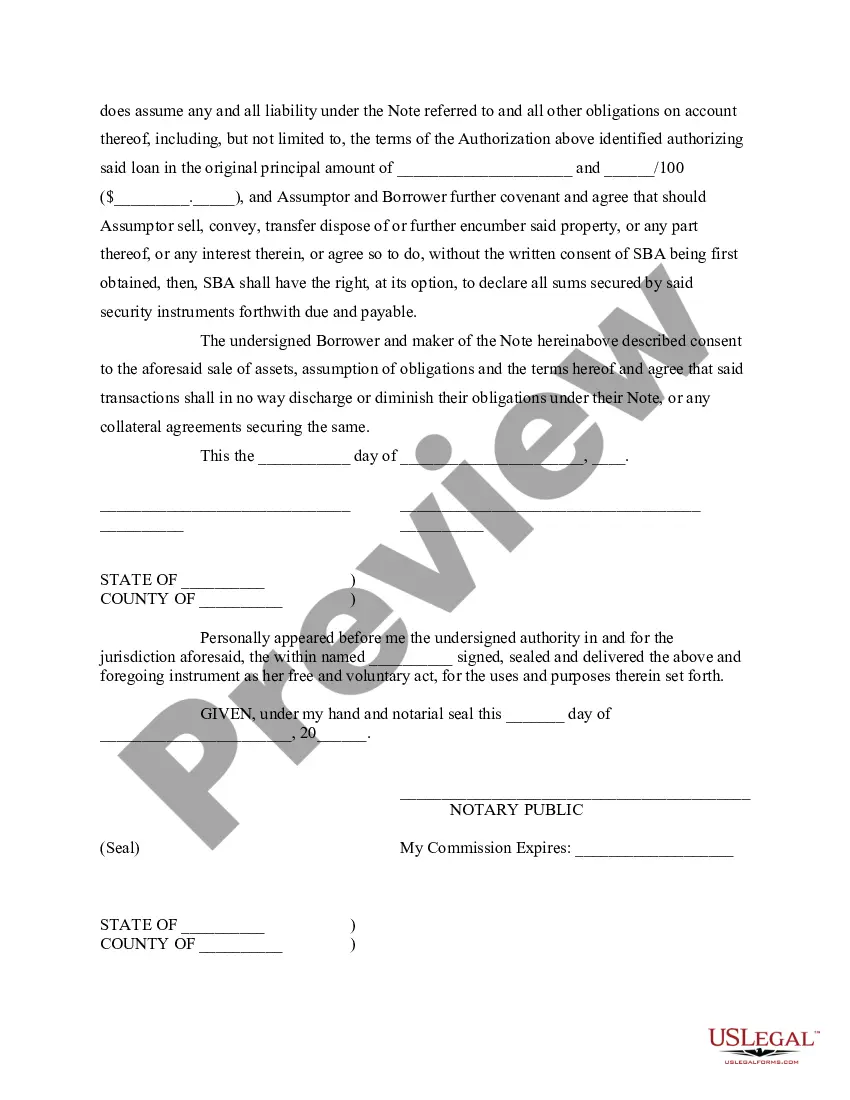
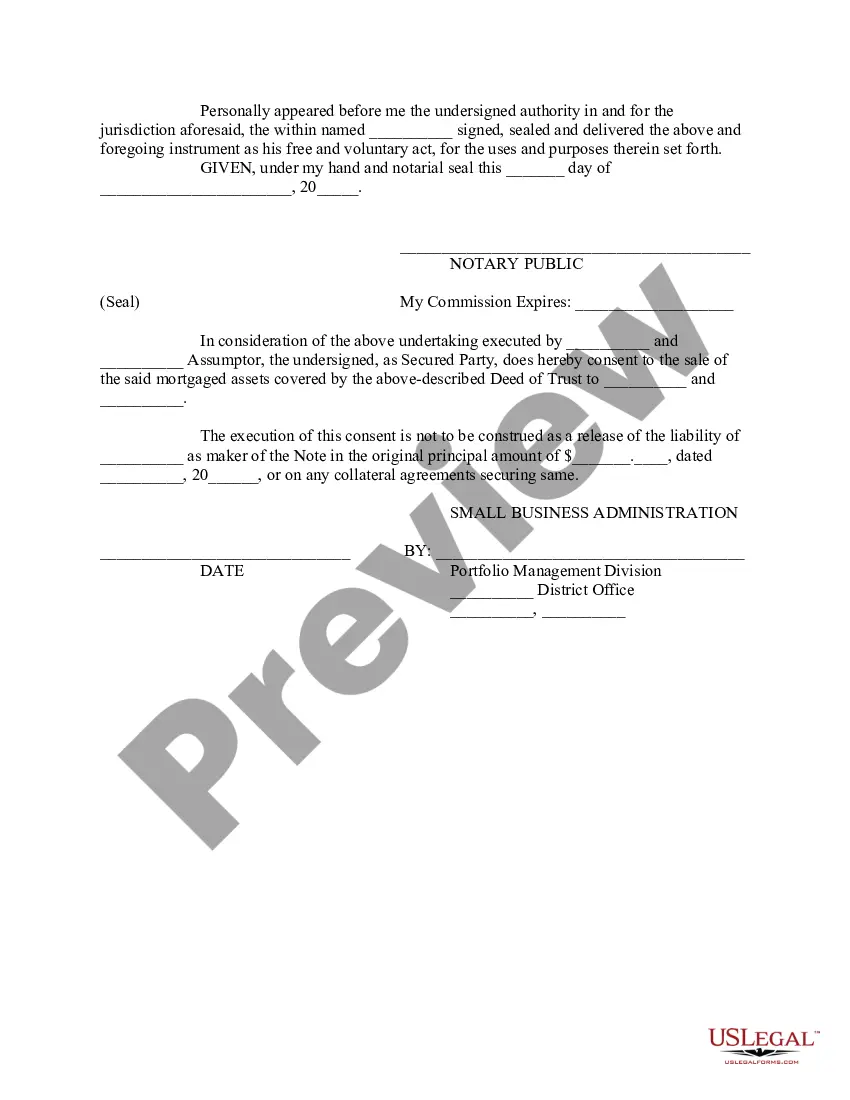
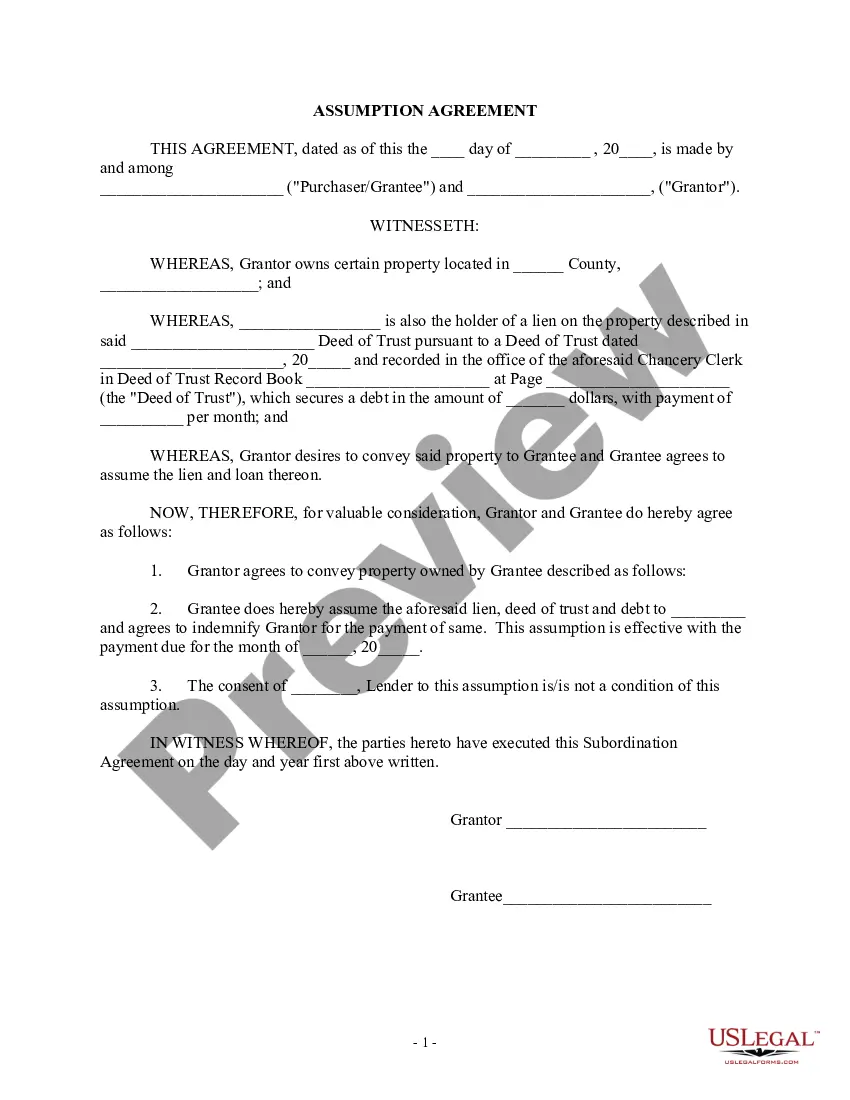
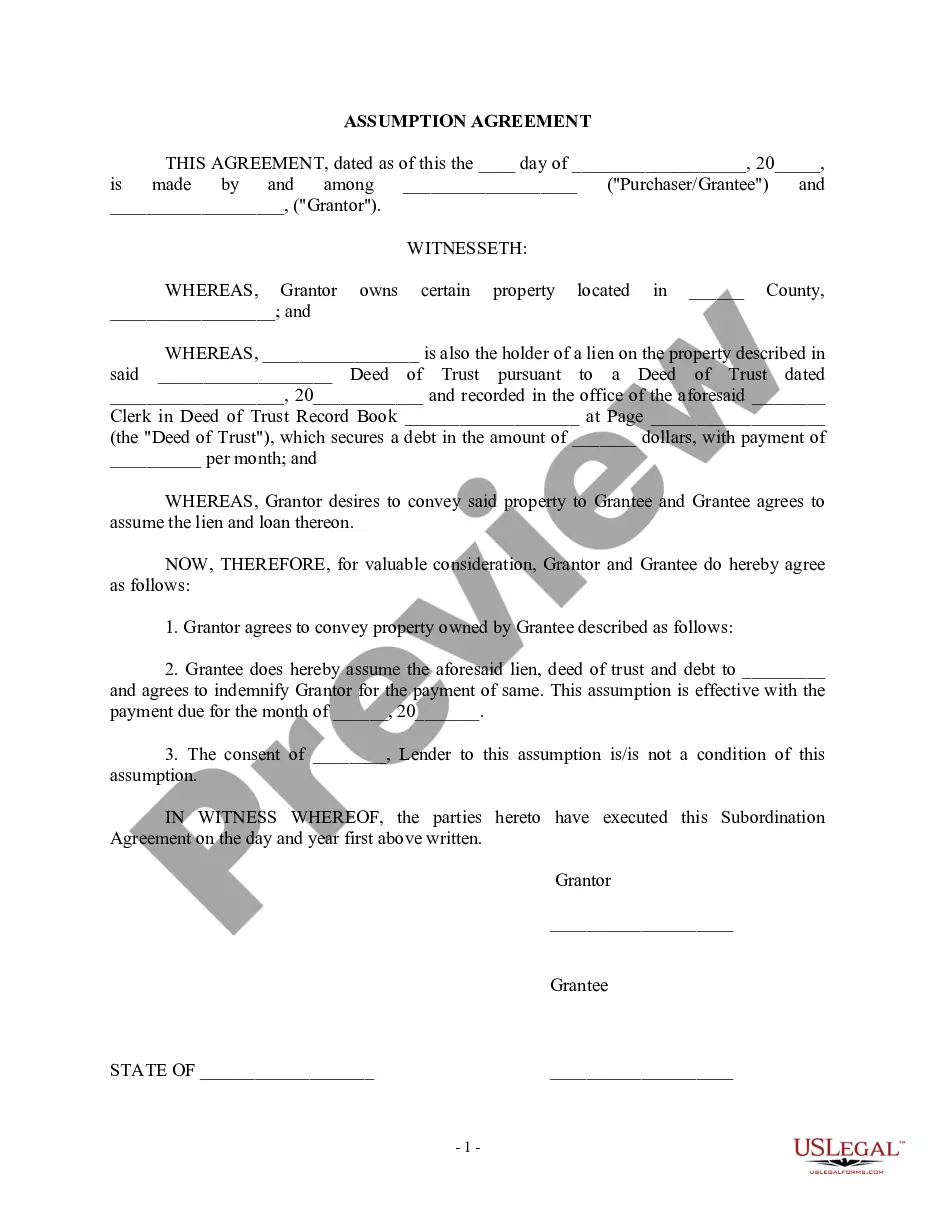
Get your form ready online
Our built-in tools help you complete, sign, share, and store your documents in one place.
Make edits, fill in missing information, and update formatting in US Legal Forms—just like you would in MS Word.
Download a copy, print it, send it by email, or mail it via USPS—whatever works best for your next step.
Sign and collect signatures with our SignNow integration. Send to multiple recipients, set reminders, and more. Go Premium to unlock E-Sign.
If this form requires notarization, complete it online through a secure video call—no need to meet a notary in person or wait for an appointment.
We protect your documents and personal data by following strict security and privacy standards.

Make edits, fill in missing information, and update formatting in US Legal Forms—just like you would in MS Word.

Download a copy, print it, send it by email, or mail it via USPS—whatever works best for your next step.

Sign and collect signatures with our SignNow integration. Send to multiple recipients, set reminders, and more. Go Premium to unlock E-Sign.

If this form requires notarization, complete it online through a secure video call—no need to meet a notary in person or wait for an appointment.

We protect your documents and personal data by following strict security and privacy standards.
Looking for another form?

Form popularity
FAQ
An assumable mortgage is a type of home financing arrangement where an outstanding mortgage and its terms are transferred from the current owner to the buyer. By assuming the previous owner's remaining debt, the buyer can avoid obtaining their own mortgage, which may come with higher interest rates.
If approved by Fannie Mae, the servicer must document each approved assumption with an assumption agreement, or by an assumption and release agreement if a release of liability was agreed to, and record the agreement if required by state law.
What's the difference between refinancing and remortgaging? At Desjardins, both refinancing and remortgaging mean that you're using the net value of your home to finance another project. The difference mainly lies in the need to sign a new mortgage deed in the presence of a notary.
You are legally obligated to make the monthly payments required by your mortgage (deed of trust) and promissory note. If you sell your home by letting a purchaser assume your mortgage, you are still liable for the mortgage debt unless you obtain a release from liability from your mortgagee.
To assume a mortgage, your lender has to give you the green light. That means meeting the same requirements that you'd need to meet for a typical mortgage, such as having a good enough credit score and a low debt-to-income (DTI) ratio.
The Drawbacks of Mortgage Assumption In a simple assumption, the seller remains liable for the outstanding mortgage debt. If the buyer defaults on payments, both parties' credit scores are affected. This shared risk can strain the relationship between buyer and seller and lead to financial repercussions for both.
How to request an SBA subordination Application for lien subordination. Letter stating reason for lien subordination with a list of collateral to be subordinated. Copy of the fully executed Factoring Agreement. Copy of your SBA Agreement. Copy of the SBA's lien search. Proof of Hazard Insurance.
