Sba 7a Loan Agreement Form In Ohio
Description

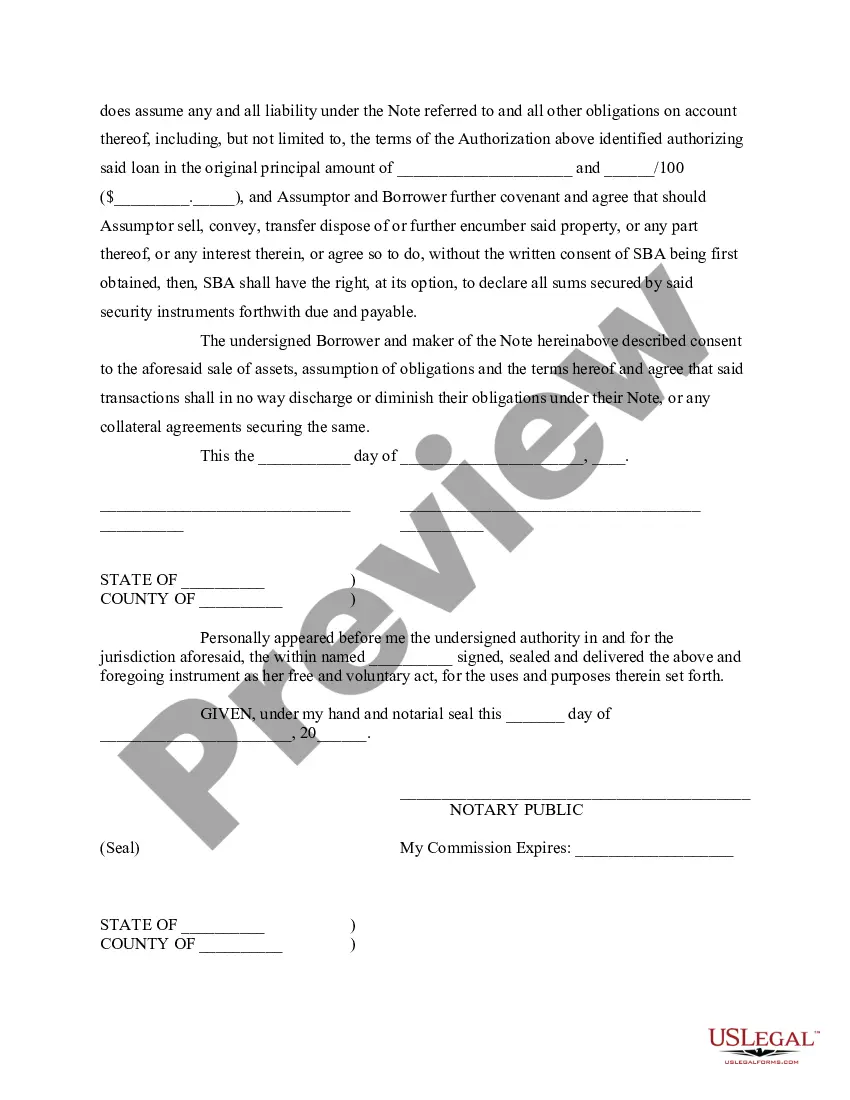
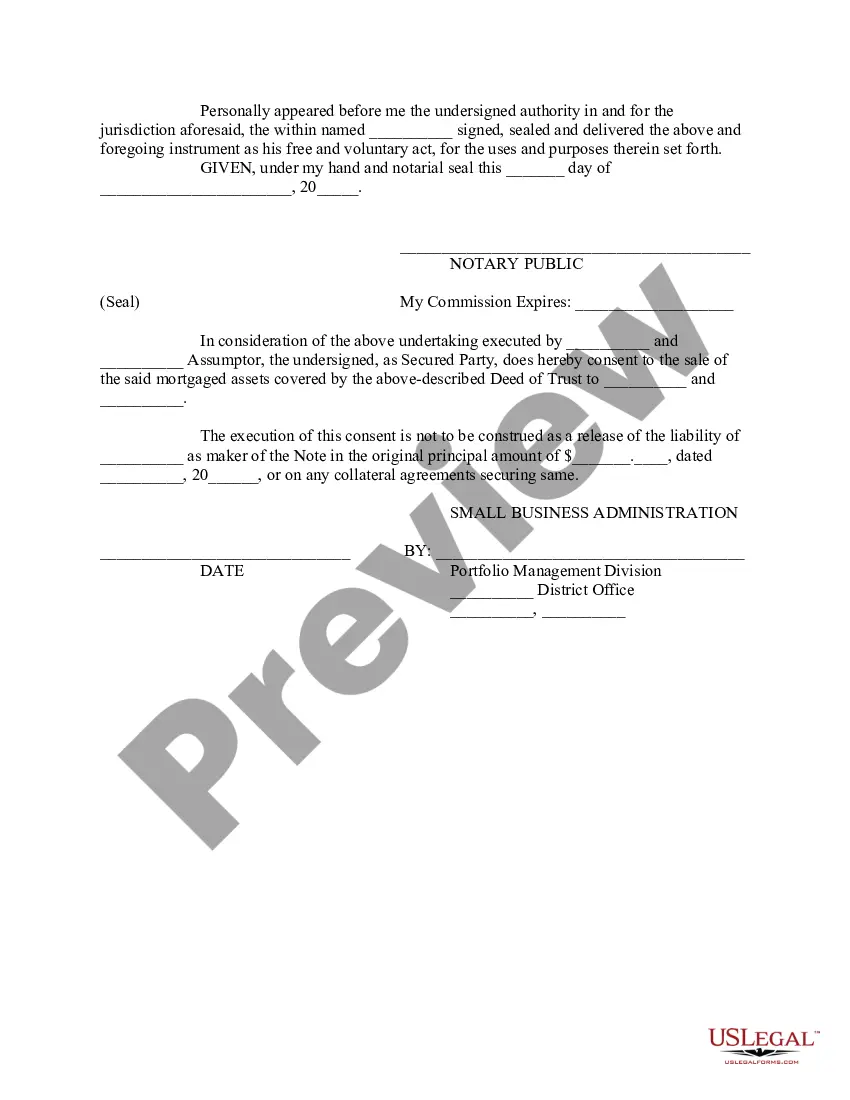
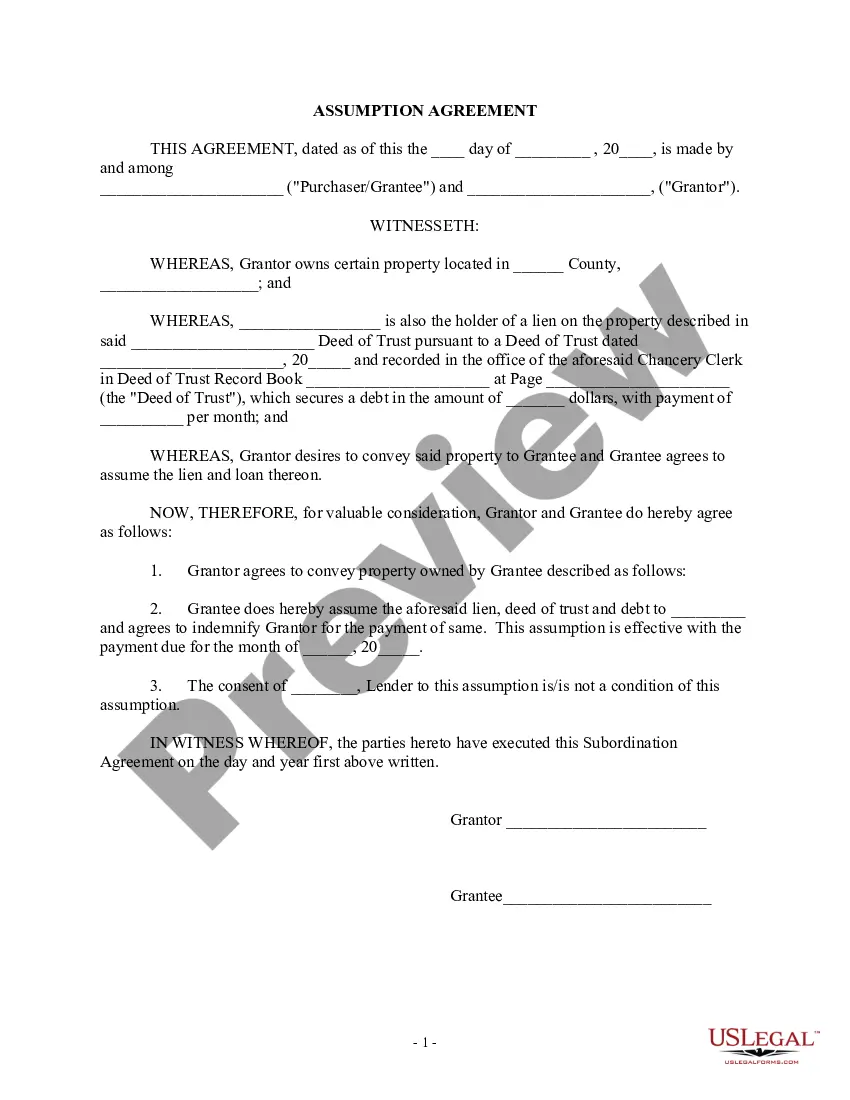
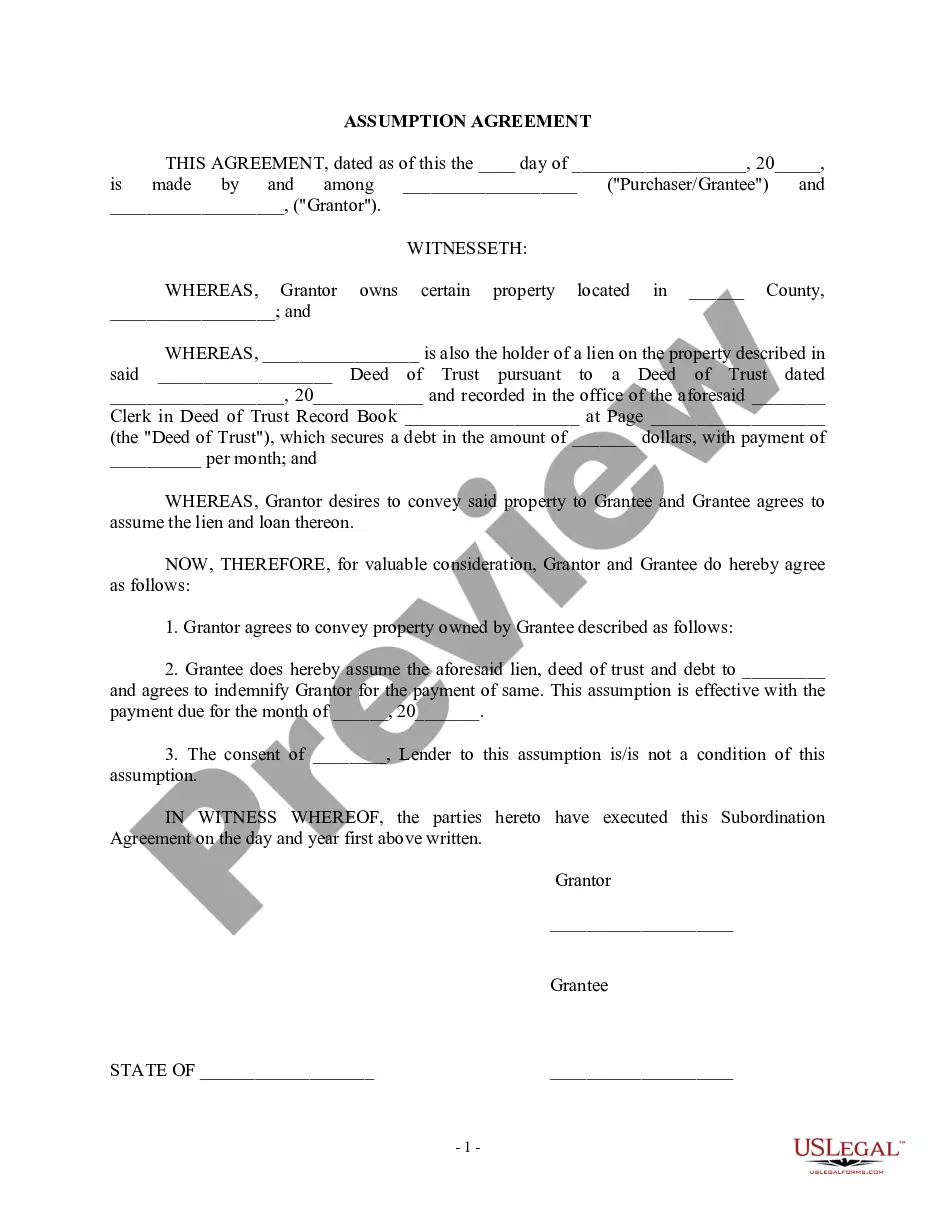
Get your form ready online
Our built-in tools help you complete, sign, share, and store your documents in one place.
Make edits, fill in missing information, and update formatting in US Legal Forms—just like you would in MS Word.
Download a copy, print it, send it by email, or mail it via USPS—whatever works best for your next step.
Sign and collect signatures with our SignNow integration. Send to multiple recipients, set reminders, and more. Go Premium to unlock E-Sign.
If this form requires notarization, complete it online through a secure video call—no need to meet a notary in person or wait for an appointment.
We protect your documents and personal data by following strict security and privacy standards.

Make edits, fill in missing information, and update formatting in US Legal Forms—just like you would in MS Word.

Download a copy, print it, send it by email, or mail it via USPS—whatever works best for your next step.

Sign and collect signatures with our SignNow integration. Send to multiple recipients, set reminders, and more. Go Premium to unlock E-Sign.

If this form requires notarization, complete it online through a secure video call—no need to meet a notary in person or wait for an appointment.

We protect your documents and personal data by following strict security and privacy standards.
Looking for another form?





Form popularity
FAQ
The form determines your eligibility and is required for each owner, partner, officer and director with a 20% stake or more in the business and/or any managing member who handles day-to-day operations. We'll walk you through each step of the process so you know how to fill out SBA Form 1919.
While some small business lenders still only require personal credit scores, the FICO SBSS business credit score is becoming increasingly commonplace. Most notably, SBA loans are only available to businesses with SBSS scores of at least 155. Most other lenders who use the score require a minimum threshold of 160 – 180.
LendingTree partners generally have minimum credit score requirements of around 600, though it's possible to find ones with lower requirements. The company has relationships with Upstart, which may accept credit scores as low as 300, and Avant, which may accept credit scores as low as 580.
SBA's current regulations provide that a joint venture can be awarded no more than three contracts over a two-year period. While SBA plans to keep the two-year lifespan for joint venture awards, it plans to get rid of the three contract maximum.
Individuals who own 20% or more of a small business applicant must provide an unlimited personal guaranty. SBA Lenders may use this form.
In the November 2022 rule, SBA increased these thresholds for inflation. Currently, the net worth of an economically disadvantaged individual must be less than $850,000 (13 CFR 124.104(c)(2)), Income (AGI) (13 CFR 124.104(c)(3)) must be less than $400,000, and Total Assets (13 CFR 124.104(c)(4)) less than $6.5 million.
