Sba Loan Forbearance Agreement In Cook
Description

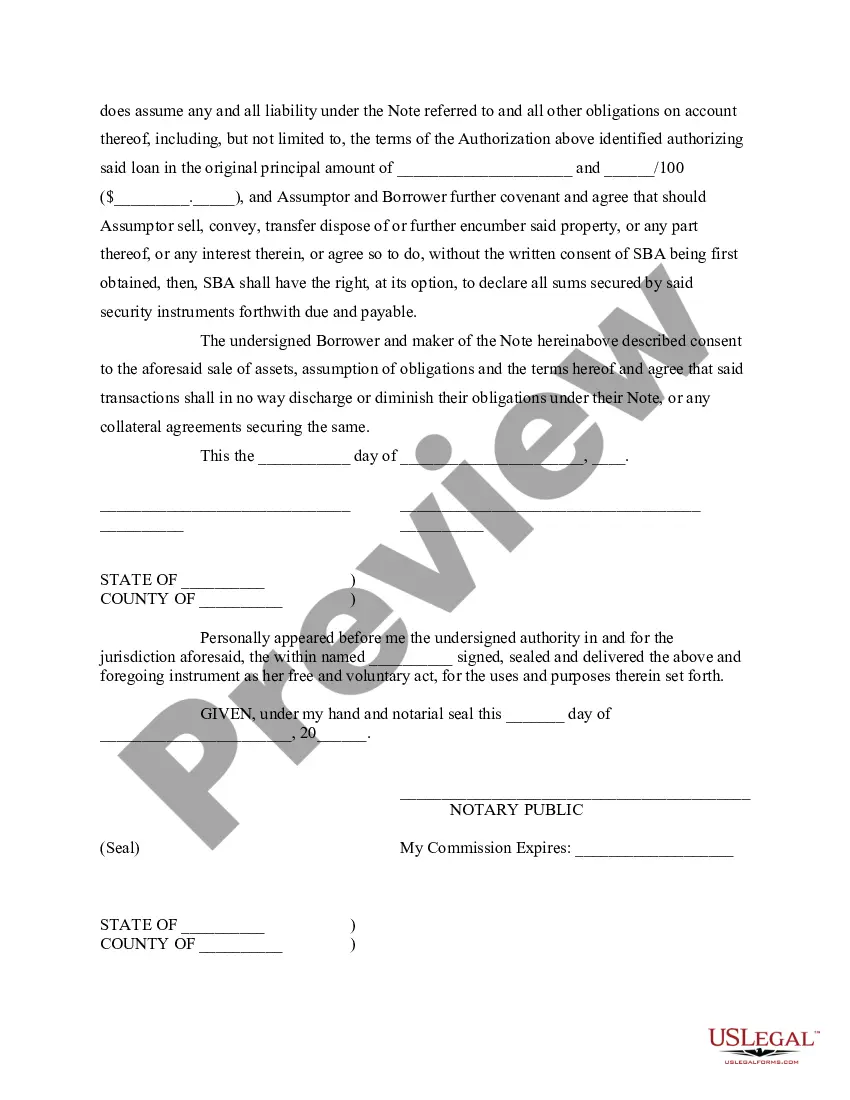
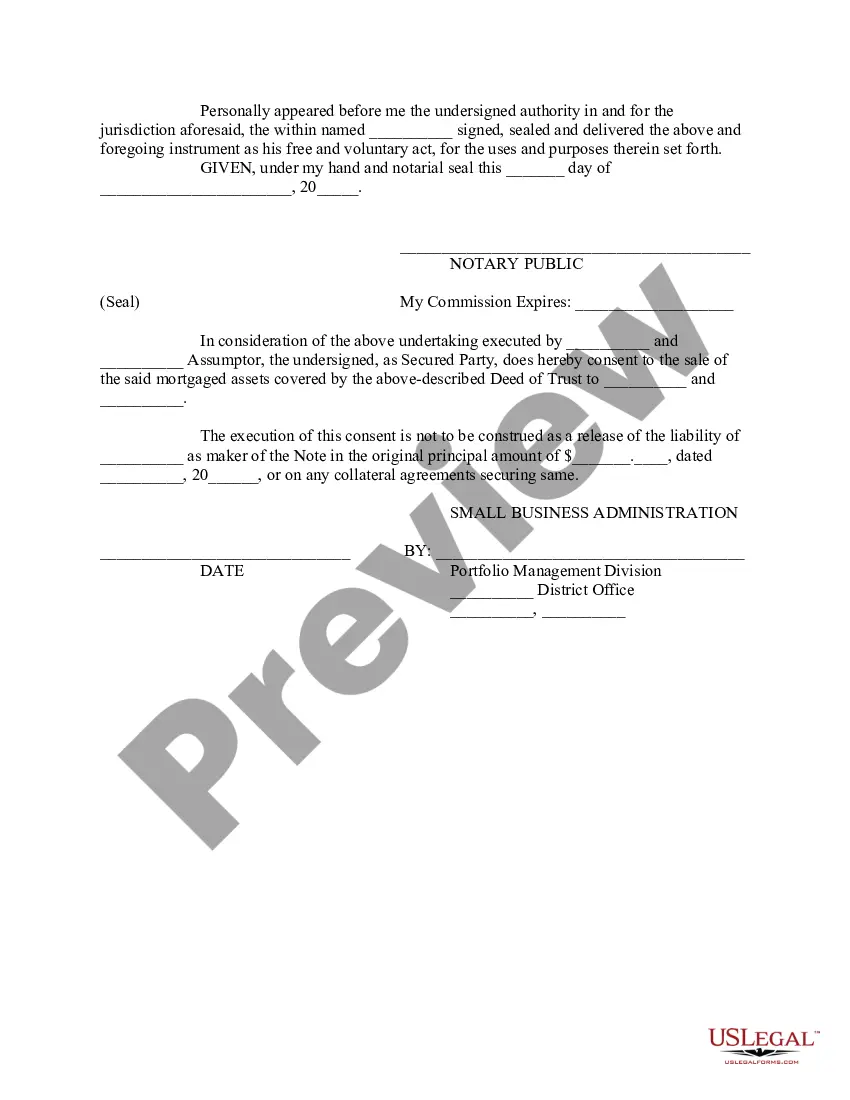

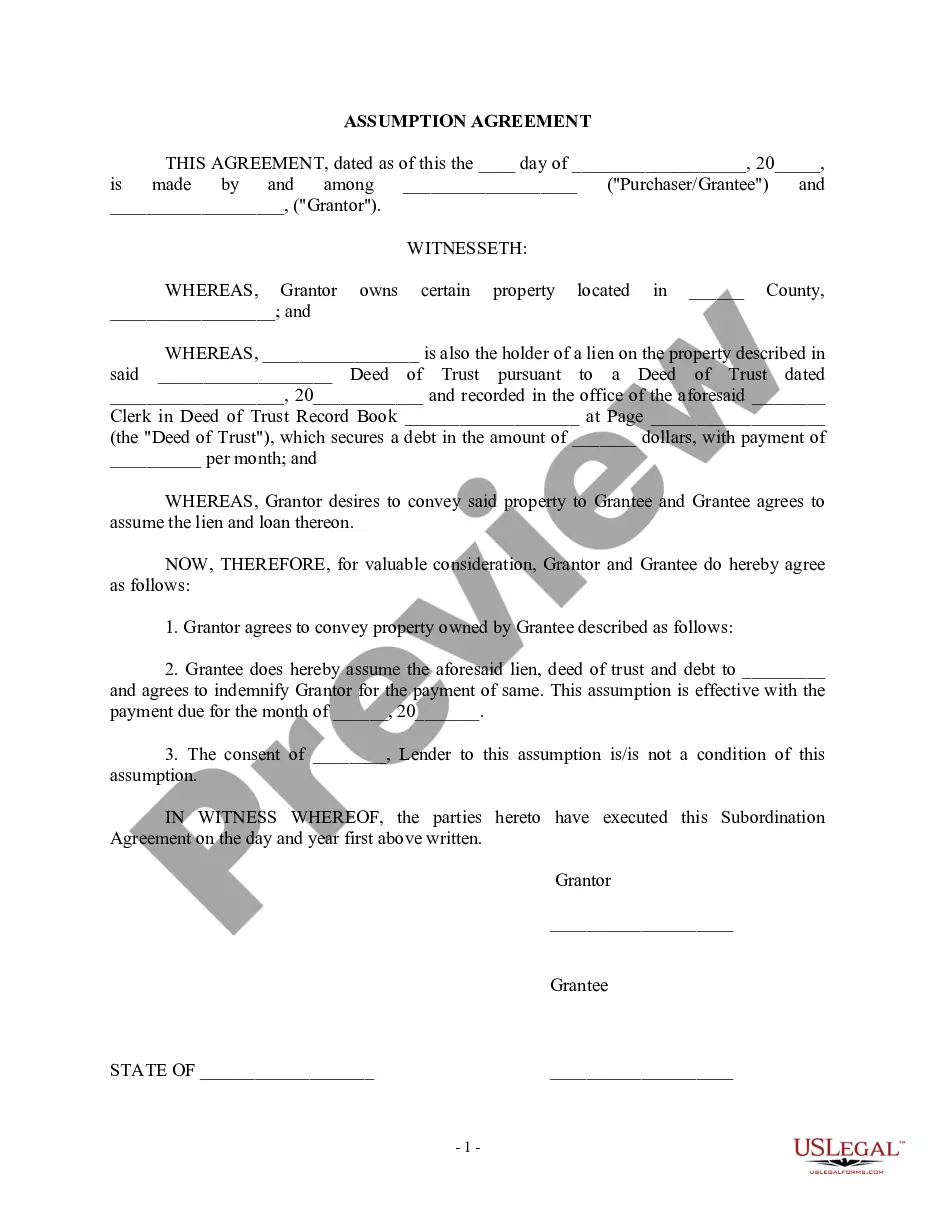
Get your form ready online
Our built-in tools help you complete, sign, share, and store your documents in one place.
Make edits, fill in missing information, and update formatting in US Legal Forms—just like you would in MS Word.
Download a copy, print it, send it by email, or mail it via USPS—whatever works best for your next step.
Sign and collect signatures with our SignNow integration. Send to multiple recipients, set reminders, and more. Go Premium to unlock E-Sign.
If this form requires notarization, complete it online through a secure video call—no need to meet a notary in person or wait for an appointment.
We protect your documents and personal data by following strict security and privacy standards.

Make edits, fill in missing information, and update formatting in US Legal Forms—just like you would in MS Word.

Download a copy, print it, send it by email, or mail it via USPS—whatever works best for your next step.

Sign and collect signatures with our SignNow integration. Send to multiple recipients, set reminders, and more. Go Premium to unlock E-Sign.

If this form requires notarization, complete it online through a secure video call—no need to meet a notary in person or wait for an appointment.

We protect your documents and personal data by following strict security and privacy standards.
Looking for another form?


Form popularity
FAQ
As part of a standard mortgage forbearance agreement, the lender agrees not to foreclose on your home for missed payments. After the forbearance period ends, you'll still need to make up the payments you missed, but there are a couple of ways to do this, including making a lump sum payment.
As of January 2025, there are no plans to forgive outstanding SBA EIDL loans. There are a variety of challenges involved with widespread forgiveness.
The Stand-by Arrangement (SBA) provides short-term financial assistance to countries facing balance of payments problems. Historically, it has been the IMF lending instrument most used by advanced and emerging market countries.
The SBA has several aggressive collection methods at its disposal to recover the debt, which may include: Wage garnishment: The SBA can garnish your wages, taking a portion of your income directly from your paycheck. Bank account levies: They can freeze and seize funds from your business or personal bank accounts.
Business owners are often put off with required SBA personal guarantees and even pledging a residence as collateral. First, unlike almost any other banking product, SBA loans have no covenants, so a default is virtually impossible so long as payments are made.
Hardship Accommodation Plan. SBA is offering a Hardship Accommodation Plan (HAP) for COVID-19 EIDL borrowers experiencing short-term financial challenges.
How to fill out SBA form 413 Provide basic business information. Report your assets. Report your liabilities. List your source of income and contingent liabilities to complete section 1. Detail your notes payable to banks and others in section 2. Detail the status of your stocks and bonds for section 3.
The request must include the reason the application was denied and any additional information that may help reconsider the application. It is essential to have all relevant information and make a strong case for why the reconsideration request should be approved.