Escrow Agreements In Business Acquisitions In Virginia
Description
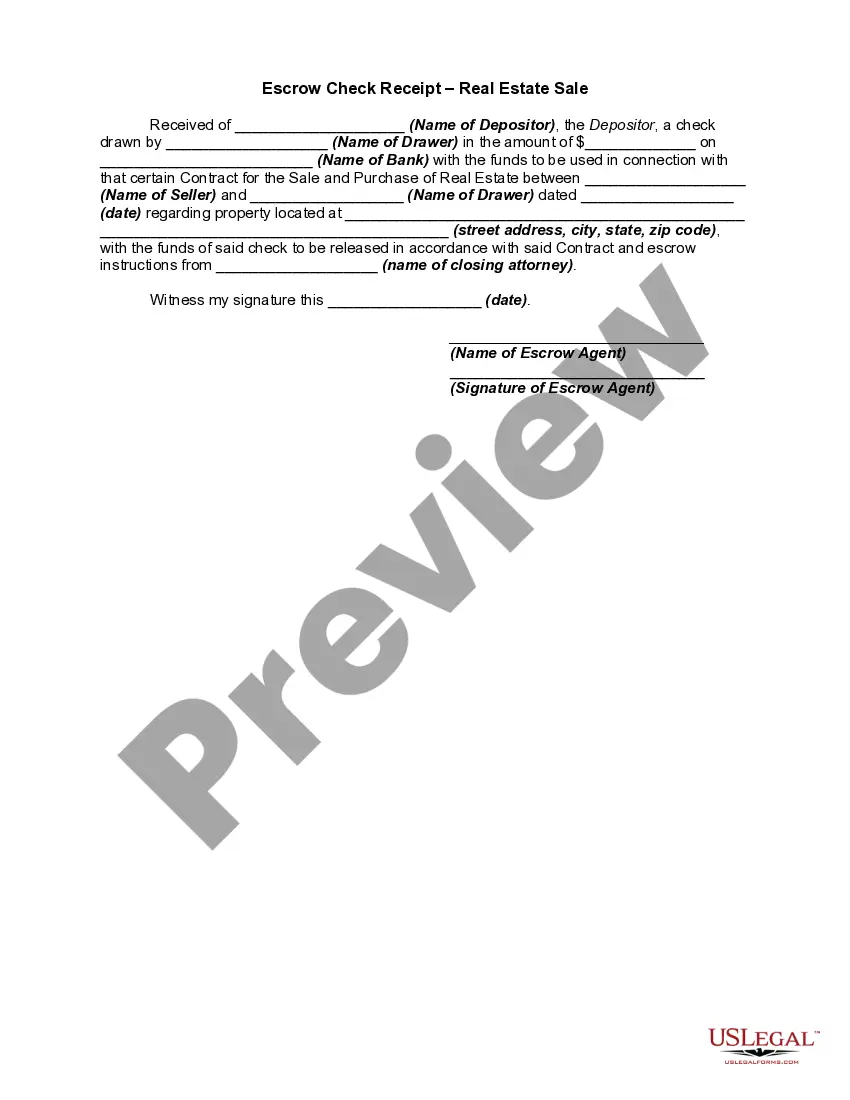
Get your form ready online
Our built-in tools help you complete, sign, share, and store your documents in one place.
Make edits, fill in missing information, and update formatting in US Legal Forms—just like you would in MS Word.
Download a copy, print it, send it by email, or mail it via USPS—whatever works best for your next step.
Sign and collect signatures with our SignNow integration. Send to multiple recipients, set reminders, and more. Go Premium to unlock E-Sign.
If this form requires notarization, complete it online through a secure video call—no need to meet a notary in person or wait for an appointment.
We protect your documents and personal data by following strict security and privacy standards.

Make edits, fill in missing information, and update formatting in US Legal Forms—just like you would in MS Word.

Download a copy, print it, send it by email, or mail it via USPS—whatever works best for your next step.

Sign and collect signatures with our SignNow integration. Send to multiple recipients, set reminders, and more. Go Premium to unlock E-Sign.

If this form requires notarization, complete it online through a secure video call—no need to meet a notary in person or wait for an appointment.

We protect your documents and personal data by following strict security and privacy standards.
Looking for another form?







Form popularity
FAQ
Essential elements of a valid escrow arrangement are: A contract between the grantor and the grantee agreeing to the conditions of a deposit; Delivery of the deposited item to a depositary; and. Communication of the agreed conditions to the depositary.
An escrow arrangement is set up by a neutral third party to hold funds or other assets that will be exchanged in a transaction involving a buyer and seller. In an M&A deal, an escrow account is typically used to ensure that the buyer and seller will fulfil their respective financial and other obligations.
A common rule of thumb is 1% of overall deal value, but the size varies depending on deal value and the underlying characteristics of the business (including the net working capital trailing average). Analysis of the Goodwin Deals Database shows that the median adjustment escrow is less than 1% on larger deals.
Size the M&A escrow fund appropriately—typically at 10% of transaction value. SRS Acquiom data shows that the median escrow size as a percentage of transaction value has held steady at 10% of transaction value when no M&A insurance is used.
A: An escrow agreement should include all relevant details such as the full names of both parties, contact information, a detailed description of the goods or services being provided, any agreed payment terms (including outline of when payments are due), timelines for delivery of goods or services and details of how ...
In an M&A transaction, a typical amount is around 10% of the deal. But that's where your due diligence also comes in. If the buyer's due diligence shows that the seller's business has a lot of risk or unknowns, the buyer is in a strong position to negotiate a higher holdback clause.
An escrow makes a certain amount of assets available for collection purposes as mutually agreed by the parties. Sellers will often appoint a shareholder representative to work with the buyer directly on any post-closing claims.
An escrow agreement is a contract that outlines the terms and conditions between parties involved, and the responsibility of each. Escrow agreements generally involve an independent third party, called an escrow agent, who holds an asset of value until the specified conditions of the contract are met.
Summary, Escrow M&A: Escrows for M&A Transactions After the close of the deal, the buyer has a period, typically 12 to 18 months, where they can inspect the target company to ensure the accuracy of those representations.
