Escrow Release Form For Child In Fairfax
Description
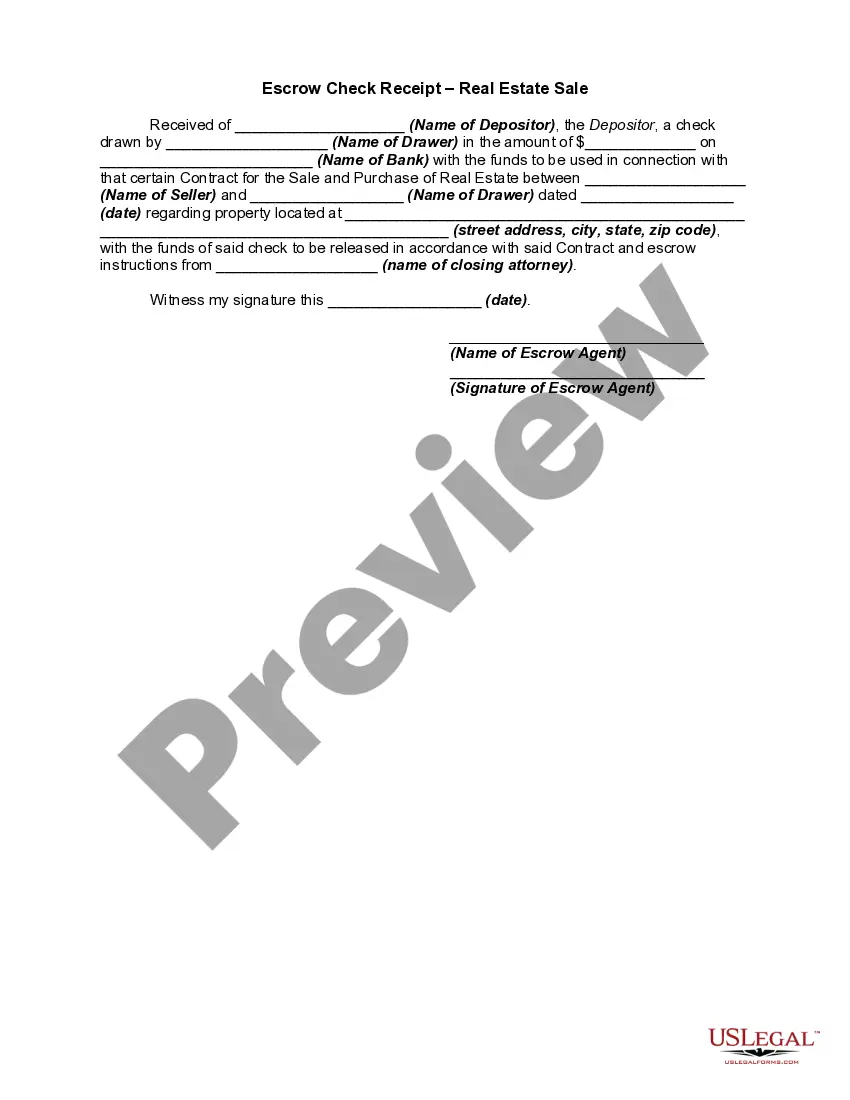
Get your form ready online
Our built-in tools help you complete, sign, share, and store your documents in one place.
Make edits, fill in missing information, and update formatting in US Legal Forms—just like you would in MS Word.
Download a copy, print it, send it by email, or mail it via USPS—whatever works best for your next step.
Sign and collect signatures with our SignNow integration. Send to multiple recipients, set reminders, and more. Go Premium to unlock E-Sign.
If this form requires notarization, complete it online through a secure video call—no need to meet a notary in person or wait for an appointment.
We protect your documents and personal data by following strict security and privacy standards.

Make edits, fill in missing information, and update formatting in US Legal Forms—just like you would in MS Word.

Download a copy, print it, send it by email, or mail it via USPS—whatever works best for your next step.

Sign and collect signatures with our SignNow integration. Send to multiple recipients, set reminders, and more. Go Premium to unlock E-Sign.

If this form requires notarization, complete it online through a secure video call—no need to meet a notary in person or wait for an appointment.

We protect your documents and personal data by following strict security and privacy standards.
Looking for another form?










Form popularity
FAQ
The Site Grading Plan specifies the details that will be shown on the planned surface after construction. The representation of what the planned ground is expected to look like after construction, as referenced in a land development plan, is typically built by a civil engineer.
Rough grading emphasizes the initial shaping and contouring of the terrain. It establishes the primary slope, drainage, and overall layout less precisely. Rough grading provides a foundation for further work, such as landscaping and construction.
A rough grading plan is required when land disturbance will exceed 2,500 square feet and the proposed clearing and grading will not be depicted on a site plan, subdivision plan, infill lot grading plan or conservation plan.
The Fairfax County Zoning Ordinance is Chapter 112 of the County Code. It is the means of implementing the Comprehensive Plan that regulates land use and structures and creates distinct districts for land uses. The zoning ordinance is intended to promote the health, safety and general welfare of the public.

