Escrow Seller Does Withdraw In Wayne
Description

Get your form ready online
Our built-in tools help you complete, sign, share, and store your documents in one place.
Make edits, fill in missing information, and update formatting in US Legal Forms—just like you would in MS Word.
Download a copy, print it, send it by email, or mail it via USPS—whatever works best for your next step.
Sign and collect signatures with our SignNow integration. Send to multiple recipients, set reminders, and more. Go Premium to unlock E-Sign.
If this form requires notarization, complete it online through a secure video call—no need to meet a notary in person or wait for an appointment.
We protect your documents and personal data by following strict security and privacy standards.

Make edits, fill in missing information, and update formatting in US Legal Forms—just like you would in MS Word.

Download a copy, print it, send it by email, or mail it via USPS—whatever works best for your next step.

Sign and collect signatures with our SignNow integration. Send to multiple recipients, set reminders, and more. Go Premium to unlock E-Sign.

If this form requires notarization, complete it online through a secure video call—no need to meet a notary in person or wait for an appointment.

We protect your documents and personal data by following strict security and privacy standards.
Looking for another form?



Form popularity
FAQ
Steps in the escrow process Opening an escrow account. The first step is to open an escrow account, which is usually done by the seller, but can also be done by the buyer. Appraisal and home inspection. Your mortgage lender will order an appraisal of the home. Obtaining insurance coverage. Final walkthrough. Closing.
An escrow arrangement is set up by a neutral third party to hold funds or other assets that will be exchanged in a transaction involving a buyer and seller. In an M&A deal, an escrow account is typically used to ensure that the buyer and seller will fulfil their respective financial and other obligations.
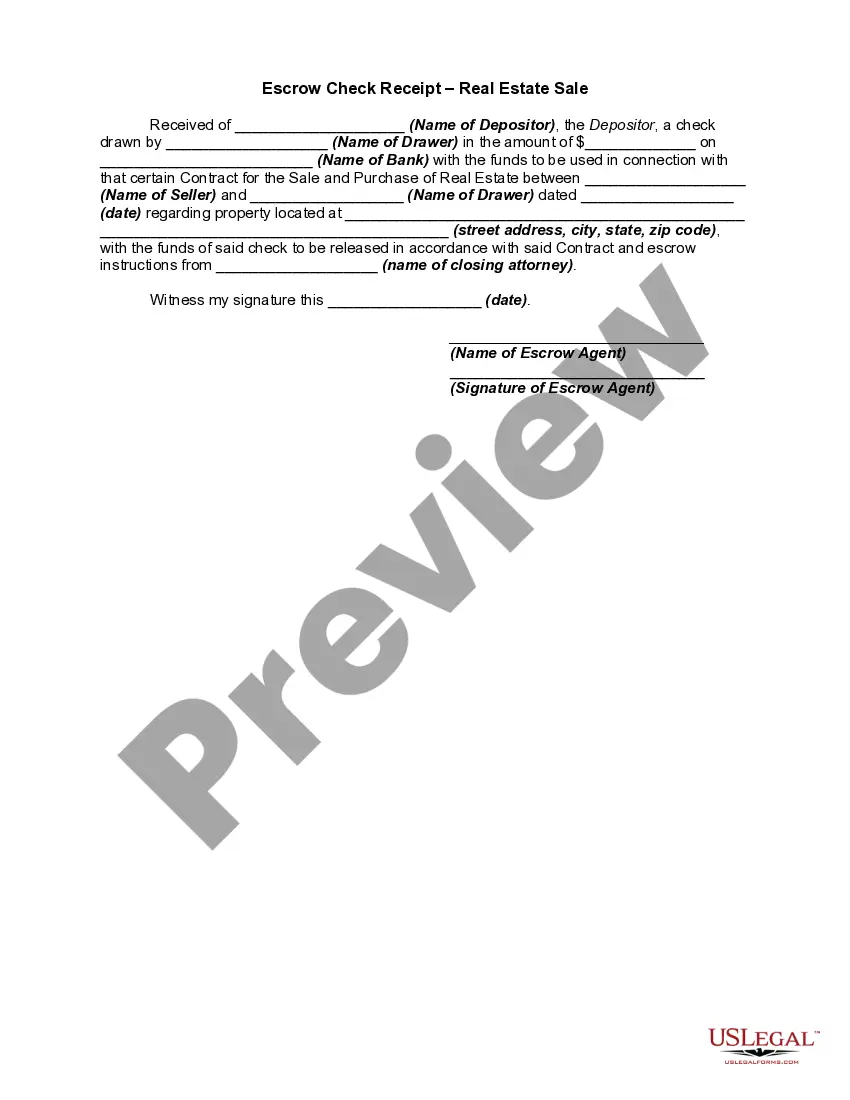
An Escrow is an arrangement for a third party to hold the assets of a transaction temporarily. The assets are kept in a third-party account and are only released when all terms of the agreement have been met. The use of an escrow account in a transaction adds a degree of safety for both parties.
Escrow accounts are ideal for high-value transactions like real estate, co-lending, or business acquisitions. Current accounts handle everyday business transactions like payroll, vendor payments, and operational expenses.
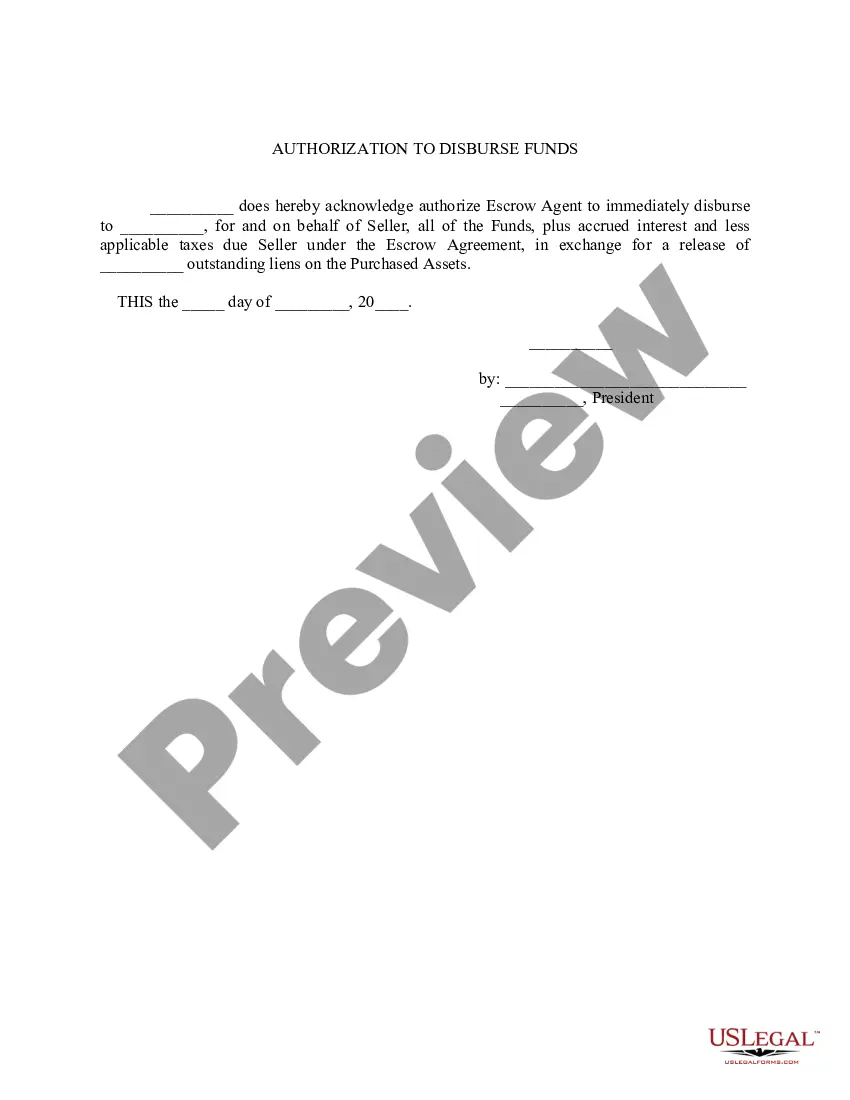
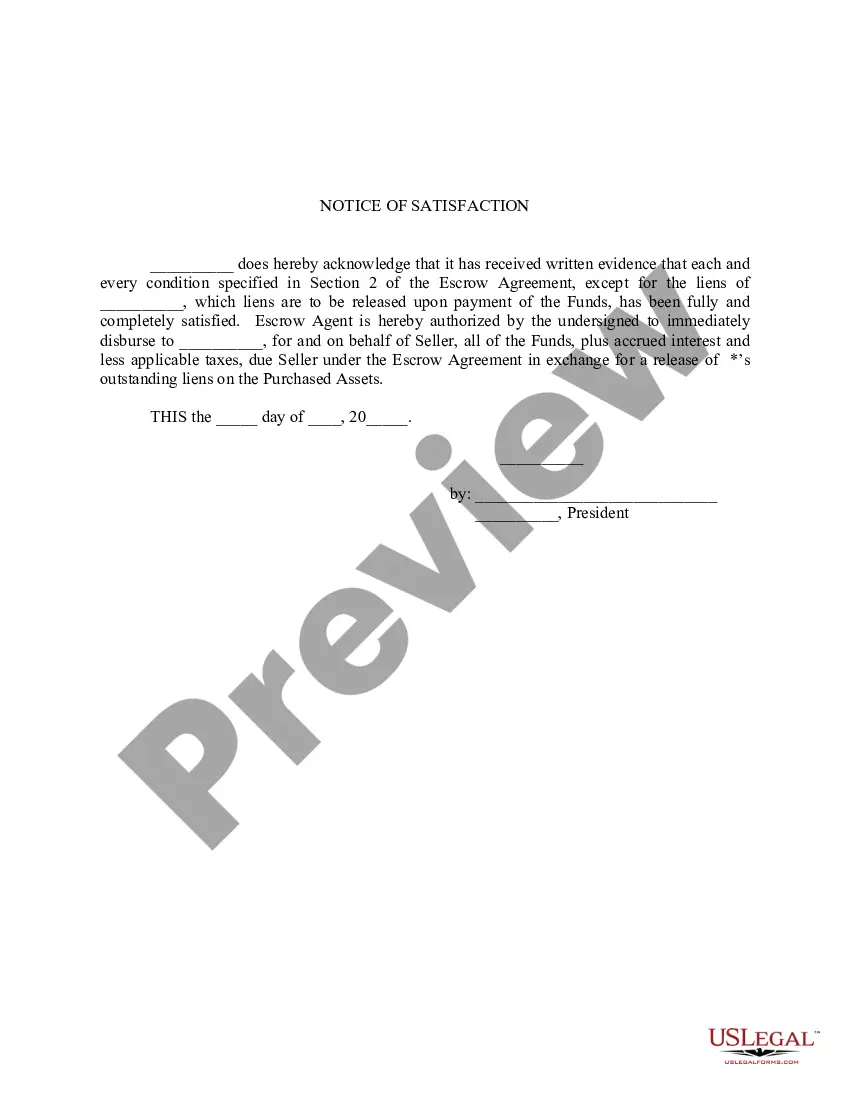
An escrow funds release certificate is a certification of the amount of the escrow funds (all or part) to be released from those funds placed into escrow with an escrow agent pursuant to an escrow holdback agreement. Escrow funds are only disbursed to the applicable party when it satisfies its outstanding obligations.
Escrow Break Date means the final date as of which the Escrow Agent has transferred and delivered all the Escrowed Property to Harbinger Master and Harbinger Special or to such other Person or Persons to whom the Escrow Agent shall have sold the Escrowed Property.
They are typically managed through a tripartite agreement between a depositor, a beneficiary and an independent third-party provider – or escrow agent. When used correctly, escrow accounts are a powerful asset for businesses looking to ensure the security and compliance of their transactions.
In essence, an escrow is a type of legal holding account for funds or assets, which won't be released until certain conditions are met. The escrow is held by a neutral third party, which releases it either when those predetermined contractual obligations are fulfilled or an appropriate instruction is received.
