Escrow Seller Does For Buyer In Phoenix
Description

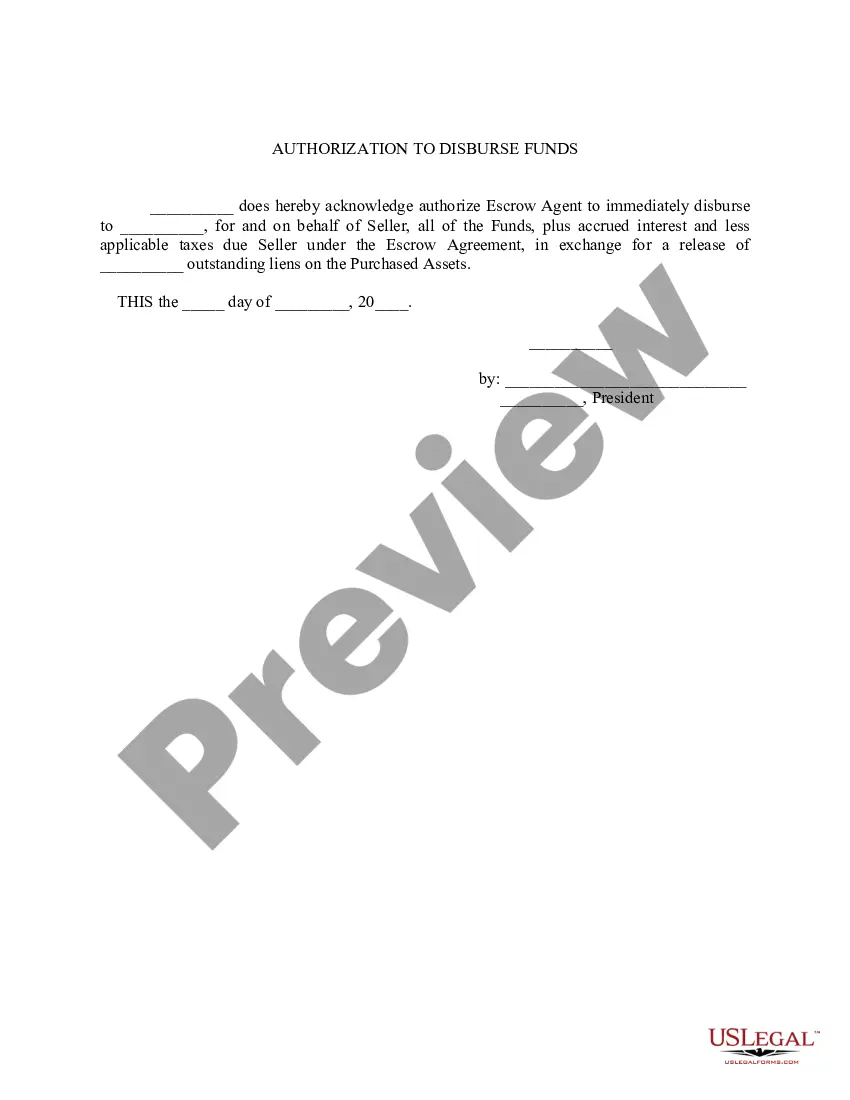
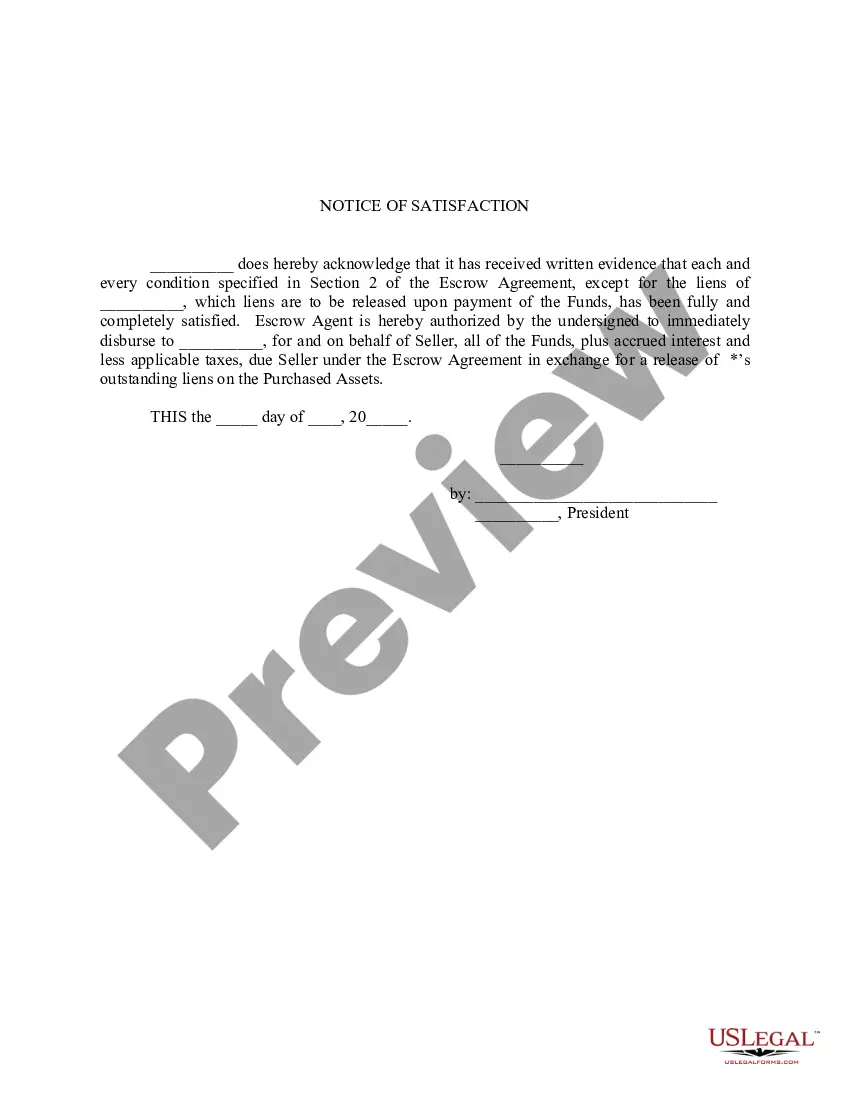
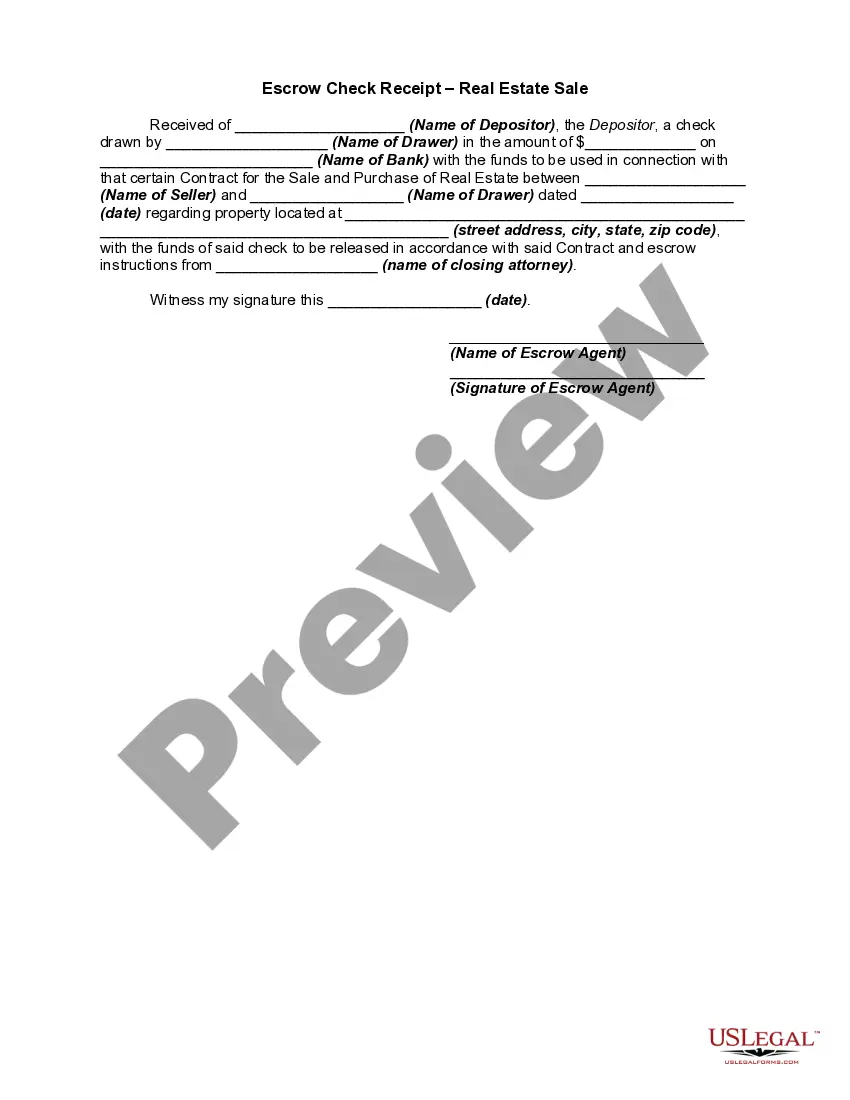
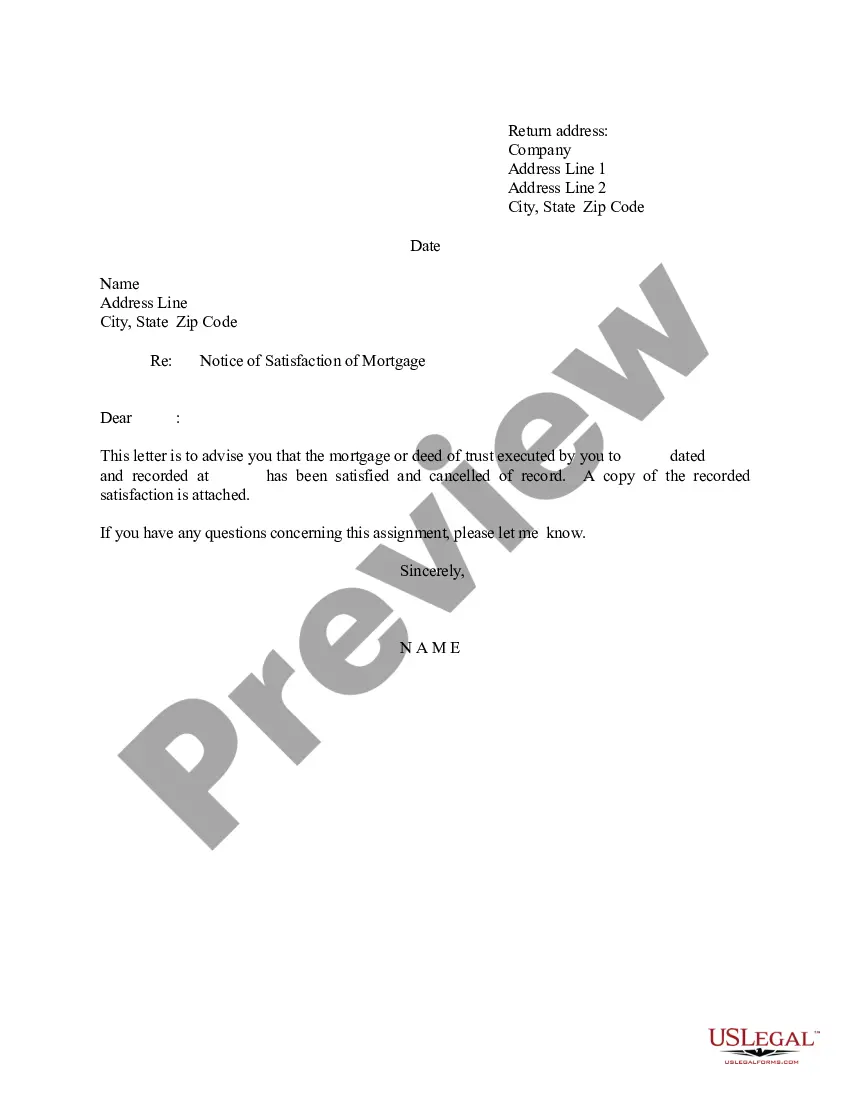
Get your form ready online
Our built-in tools help you complete, sign, share, and store your documents in one place.
Make edits, fill in missing information, and update formatting in US Legal Forms—just like you would in MS Word.
Download a copy, print it, send it by email, or mail it via USPS—whatever works best for your next step.
Sign and collect signatures with our SignNow integration. Send to multiple recipients, set reminders, and more. Go Premium to unlock E-Sign.
If this form requires notarization, complete it online through a secure video call—no need to meet a notary in person or wait for an appointment.
We protect your documents and personal data by following strict security and privacy standards.

Make edits, fill in missing information, and update formatting in US Legal Forms—just like you would in MS Word.

Download a copy, print it, send it by email, or mail it via USPS—whatever works best for your next step.

Sign and collect signatures with our SignNow integration. Send to multiple recipients, set reminders, and more. Go Premium to unlock E-Sign.

If this form requires notarization, complete it online through a secure video call—no need to meet a notary in person or wait for an appointment.

We protect your documents and personal data by following strict security and privacy standards.
Looking for another form?










Form popularity
FAQ
Who Does The Escrow Agent Work For? Escrow agents act as neutral third parties in these types of transactions. They serve the escrow agreement, and as such, they don't work for either the buyer or the seller.
Escrow agents may work for a title insurance company or real estate attorney, as an affiliate of a lender or as an independent escrow company. However, they don't work for the buyer or seller and must remain neutral in any real estate transaction.
Escrow agents have a fiduciary duty to both parties involved in the transaction, meaning that they are required to act in the financial interests of both the buyer and the seller and must ensure that the terms of the contract are followed.
The choice of escrow agent is typically agreed upon by the buyer and seller. However, the specific preferences can vary depending on local practices and negotiations between the parties.
The buyer in the real estate sales transaction generally makes the selection of the escrow holder/agent and the title insurance company intending to issue the title insurance coverage. A real estate broker should consult the escrow holder/agent before informing the principals that escrow will close on a certain date.
In California, the buyer may choose the escrow company.
After the buyer and seller agree to terms of a sale, the transaction goes into escrow, which can take several weeks (30-45 days or more) to reach closing. Escrow can be opened by the buyer or the seller's real estate agent.
