Escrow Seller Does For Seller In Kings
Description

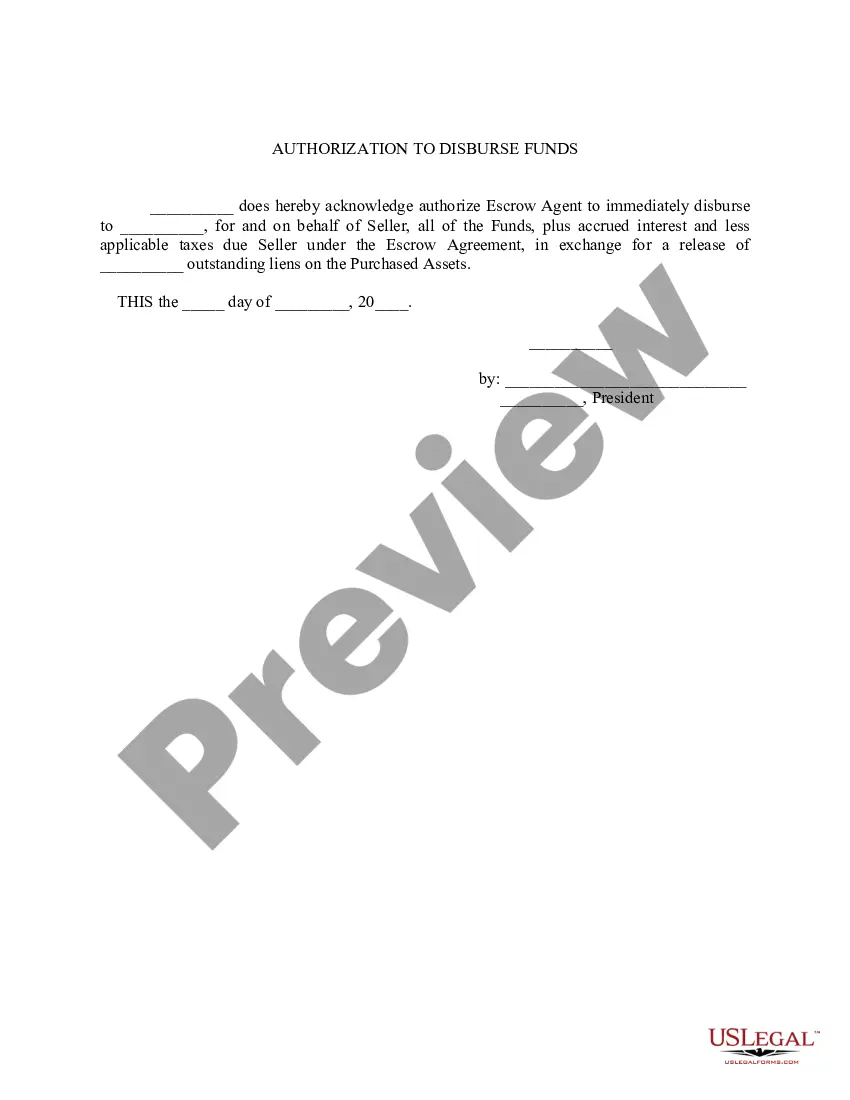
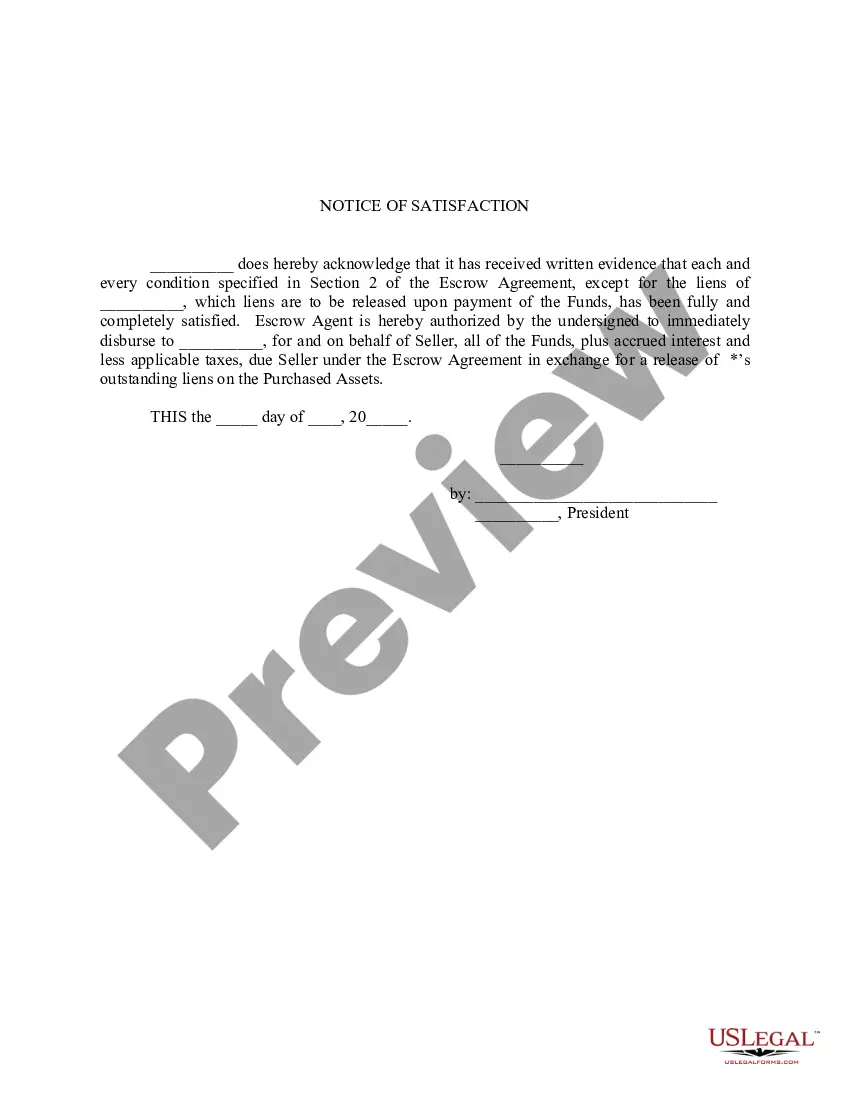
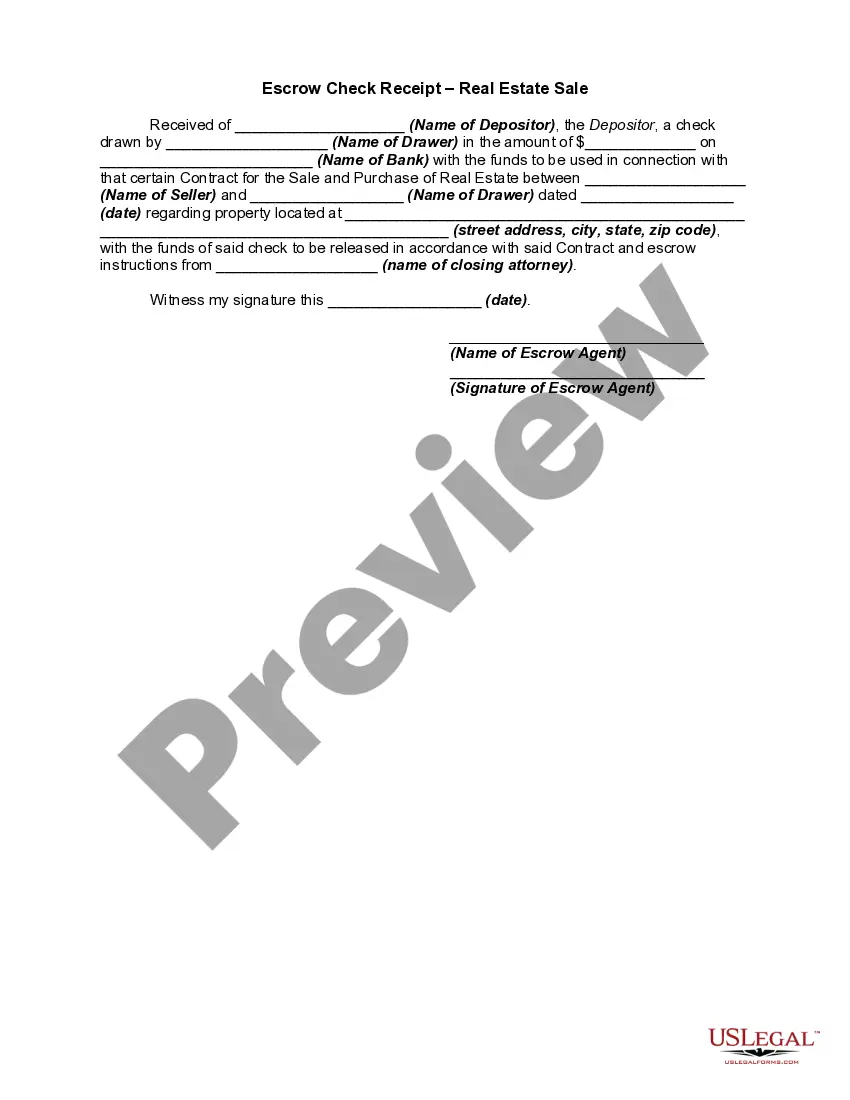
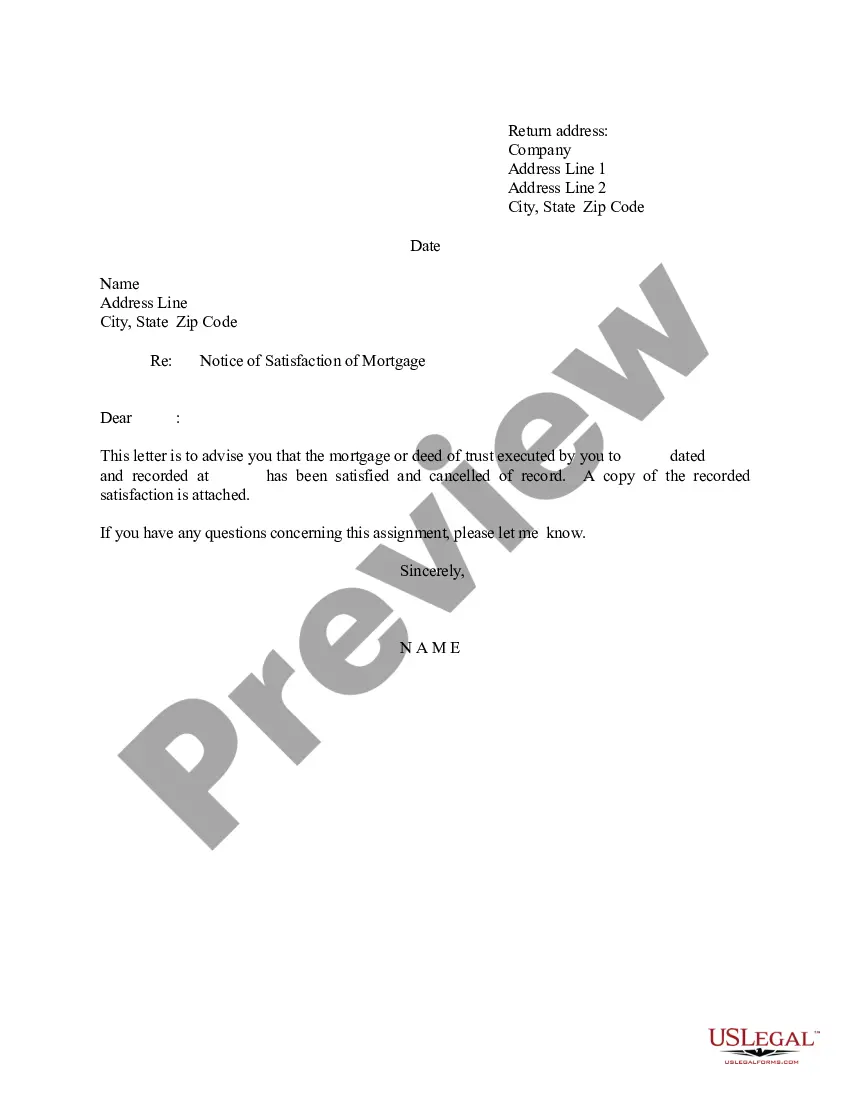
Get your form ready online
Our built-in tools help you complete, sign, share, and store your documents in one place.
Make edits, fill in missing information, and update formatting in US Legal Forms—just like you would in MS Word.
Download a copy, print it, send it by email, or mail it via USPS—whatever works best for your next step.
Sign and collect signatures with our SignNow integration. Send to multiple recipients, set reminders, and more. Go Premium to unlock E-Sign.
If this form requires notarization, complete it online through a secure video call—no need to meet a notary in person or wait for an appointment.
We protect your documents and personal data by following strict security and privacy standards.

Make edits, fill in missing information, and update formatting in US Legal Forms—just like you would in MS Word.

Download a copy, print it, send it by email, or mail it via USPS—whatever works best for your next step.

Sign and collect signatures with our SignNow integration. Send to multiple recipients, set reminders, and more. Go Premium to unlock E-Sign.

If this form requires notarization, complete it online through a secure video call—no need to meet a notary in person or wait for an appointment.

We protect your documents and personal data by following strict security and privacy standards.
Looking for another form?




Form popularity
FAQ
Regardless of the reason, the seller must give some type of notice to the buyer, however (either a Notice to Perform or a Demand to Close Escrow) before the seller can cancel.
The escrow agent must act on behalf of the best interests of both parties: the buyer and the seller. A closing agent is another neutral third-party that manages the entire process of homebuying on your behalf.
We generally recommend options 1 and 2. It is typically very hard for a seller to cancel escrow without any valid reason for doing so. A change of mind is not acceptable. A good real estate attorney will be able to help the buyer push the sale through with aid from the court if need be.
Regardless of the reason, the seller must give some type of notice to the buyer, however (either a Notice to Perform or a Demand to Close Escrow) before the seller can cancel.
What Are Escrowed Shares? Escrowed shares are shares held in an escrow account, secured by a third party, pending the completion of a corporate action or an elapse of time leading up to an event. Shares are escrowed in three common cases: Merger and acquisition transactions.
In essence, an escrow is a type of legal holding account for funds or assets, which won't be released until certain conditions are met. The escrow is held by a neutral third party, which releases it either when those predetermined contractual obligations are fulfilled or an appropriate instruction is received.
Escrow refers to a financial agreement where a neutral third party holds assets or funds before they are transferred from one party in a transaction to another. The third party holds the funds until both the buyer and the seller have fulfilled their contractual requirements.
Typically, the escrow account is most often opened by the seller's real estate agent, but escrow may be opened by anyone involved in the transaction. Escrow may be opened via phone call, email, or in person; or, click here to open an escrow account on Escrow of the West's website.
Certain terms and conditions are set, which need to be agreed to by both parties. To provide comfort to the seller, the buyer transfers the amount of the transaction to an escrow account. The escrow agent then reviews the payment and confirms to the seller that the funds have been deposited.
Typically you will simply make a single monthly payment to your mortgage lender. Part of that payment will go towards your mortgage principal and interest, while the rest goes into your escrow account to cover your property taxes and insurance premiums.
