Notice Of Satisfaction In Franklin
Description

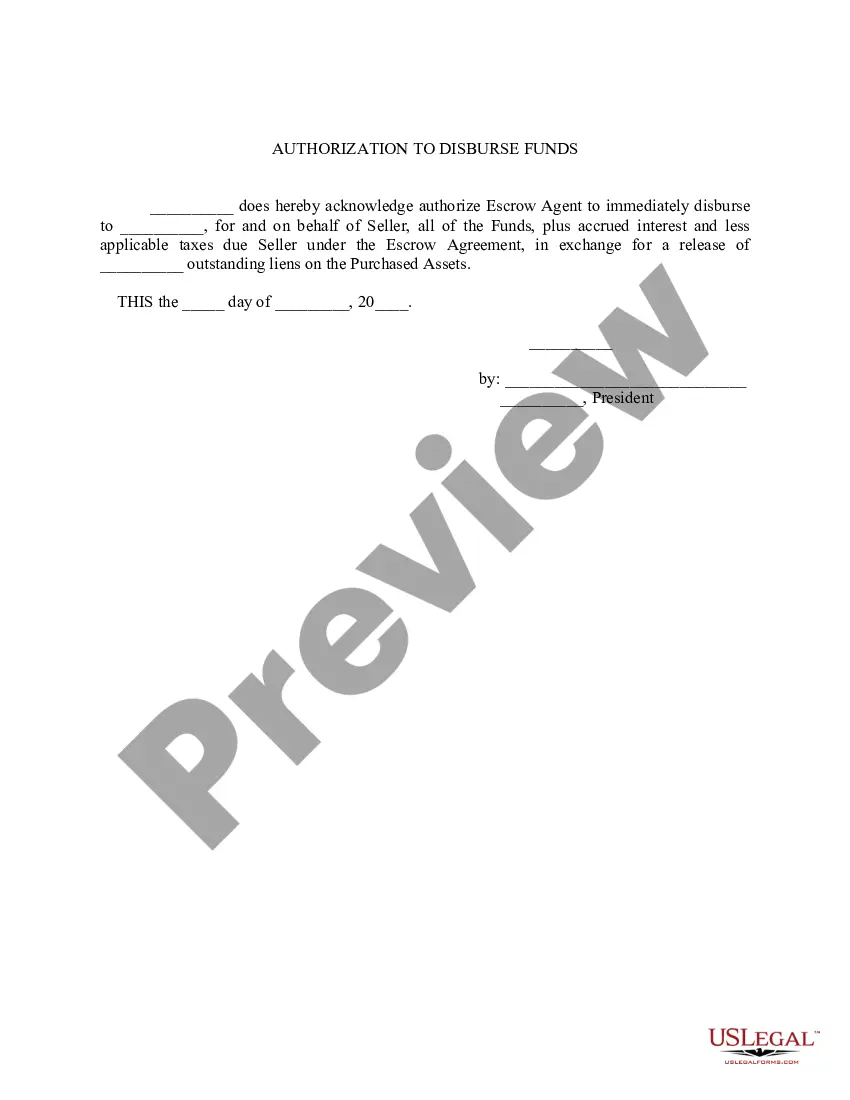
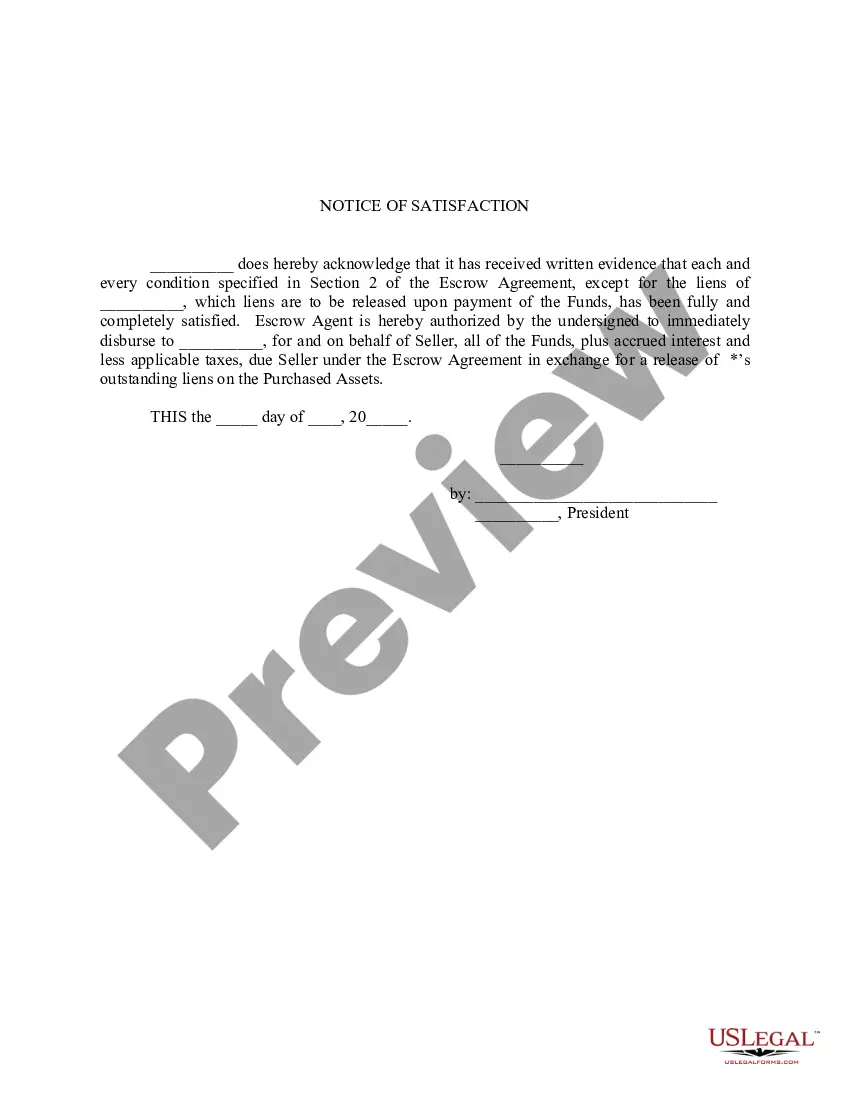
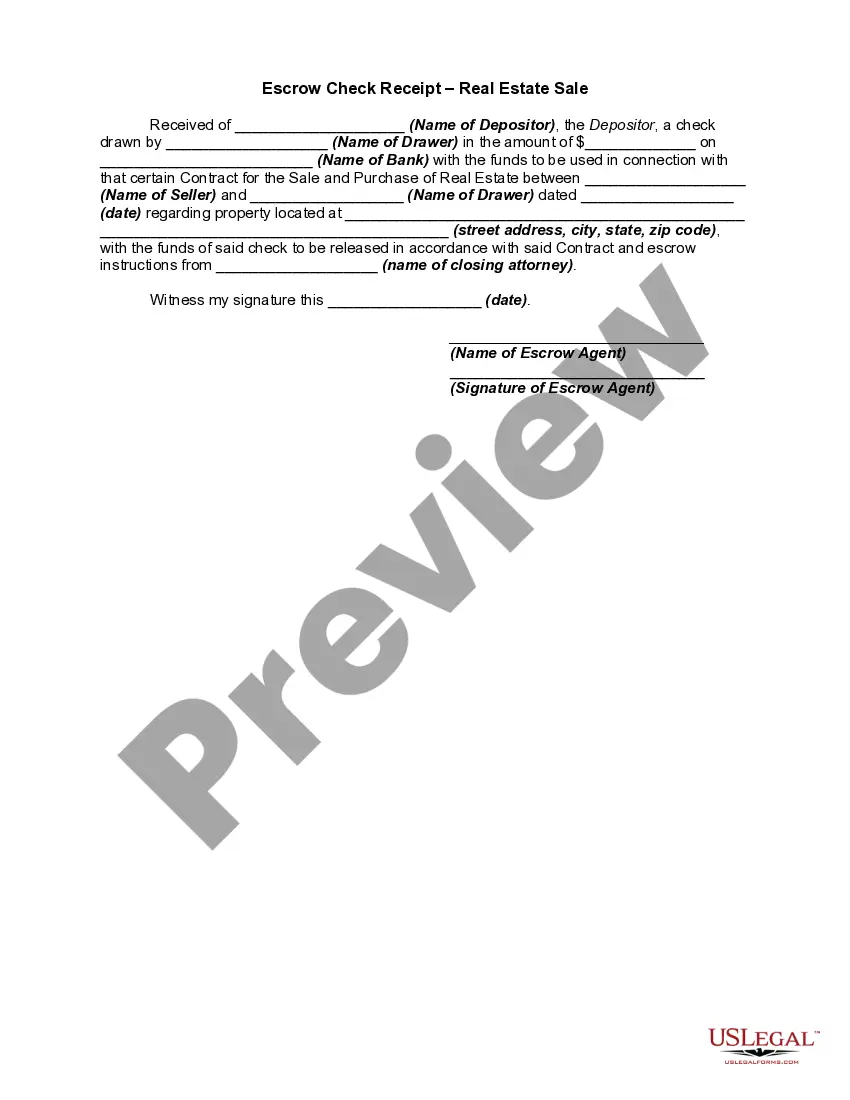
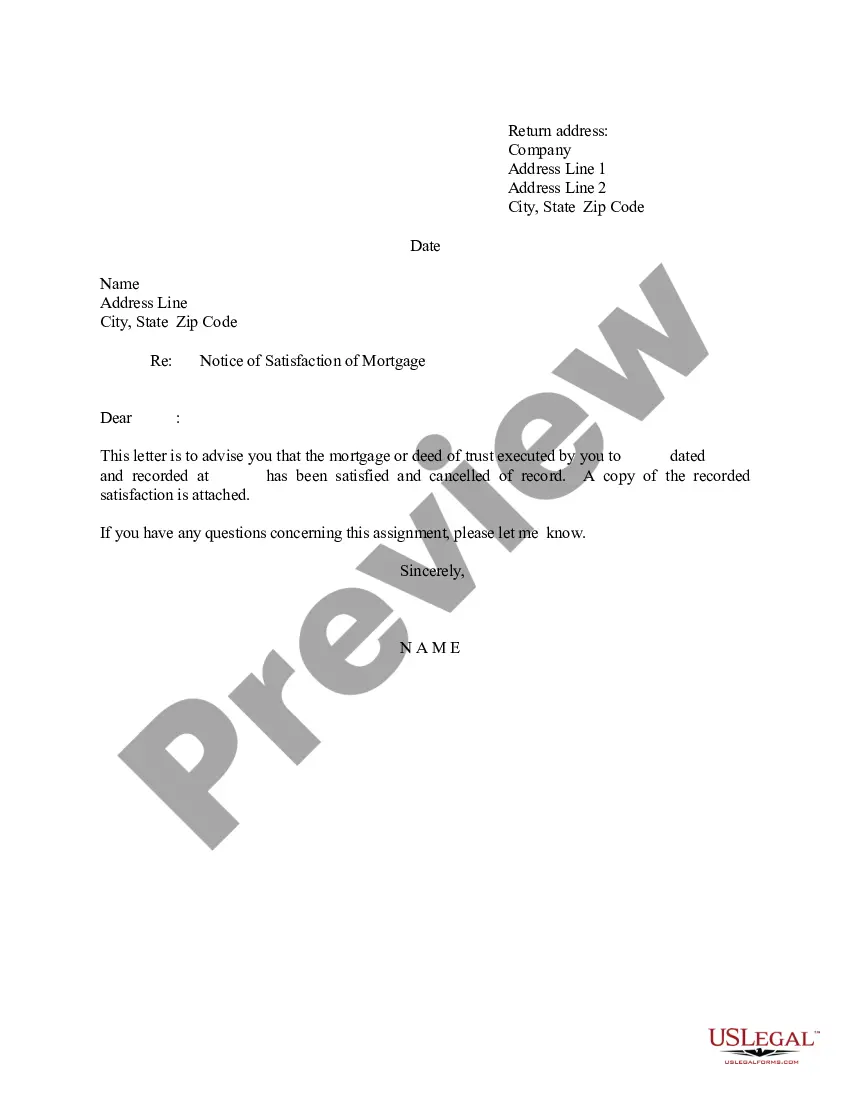
Get your form ready online
Our built-in tools help you complete, sign, share, and store your documents in one place.
Make edits, fill in missing information, and update formatting in US Legal Forms—just like you would in MS Word.
Download a copy, print it, send it by email, or mail it via USPS—whatever works best for your next step.
Sign and collect signatures with our SignNow integration. Send to multiple recipients, set reminders, and more. Go Premium to unlock E-Sign.
If this form requires notarization, complete it online through a secure video call—no need to meet a notary in person or wait for an appointment.
We protect your documents and personal data by following strict security and privacy standards.

Make edits, fill in missing information, and update formatting in US Legal Forms—just like you would in MS Word.

Download a copy, print it, send it by email, or mail it via USPS—whatever works best for your next step.

Sign and collect signatures with our SignNow integration. Send to multiple recipients, set reminders, and more. Go Premium to unlock E-Sign.

If this form requires notarization, complete it online through a secure video call—no need to meet a notary in person or wait for an appointment.

We protect your documents and personal data by following strict security and privacy standards.
Looking for another form?



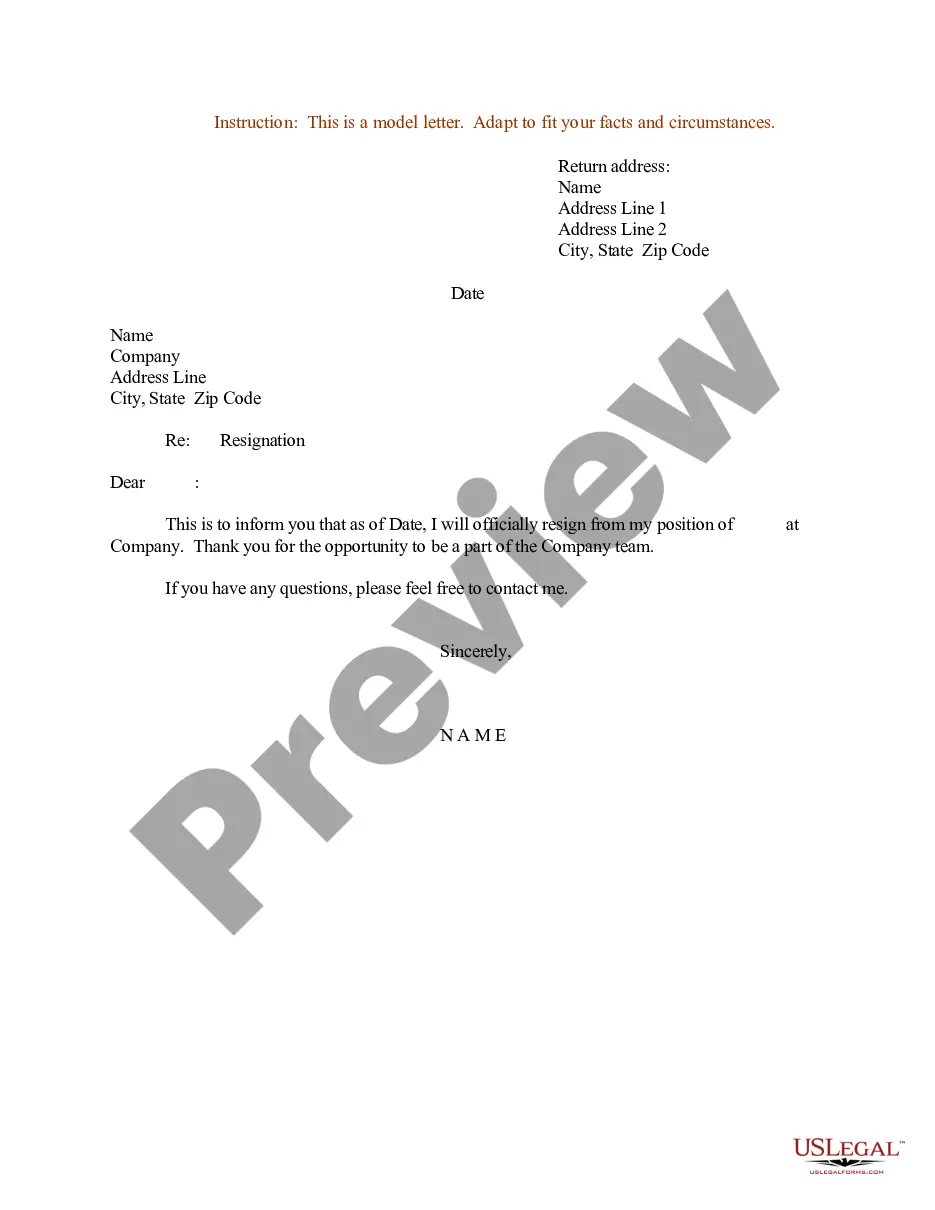

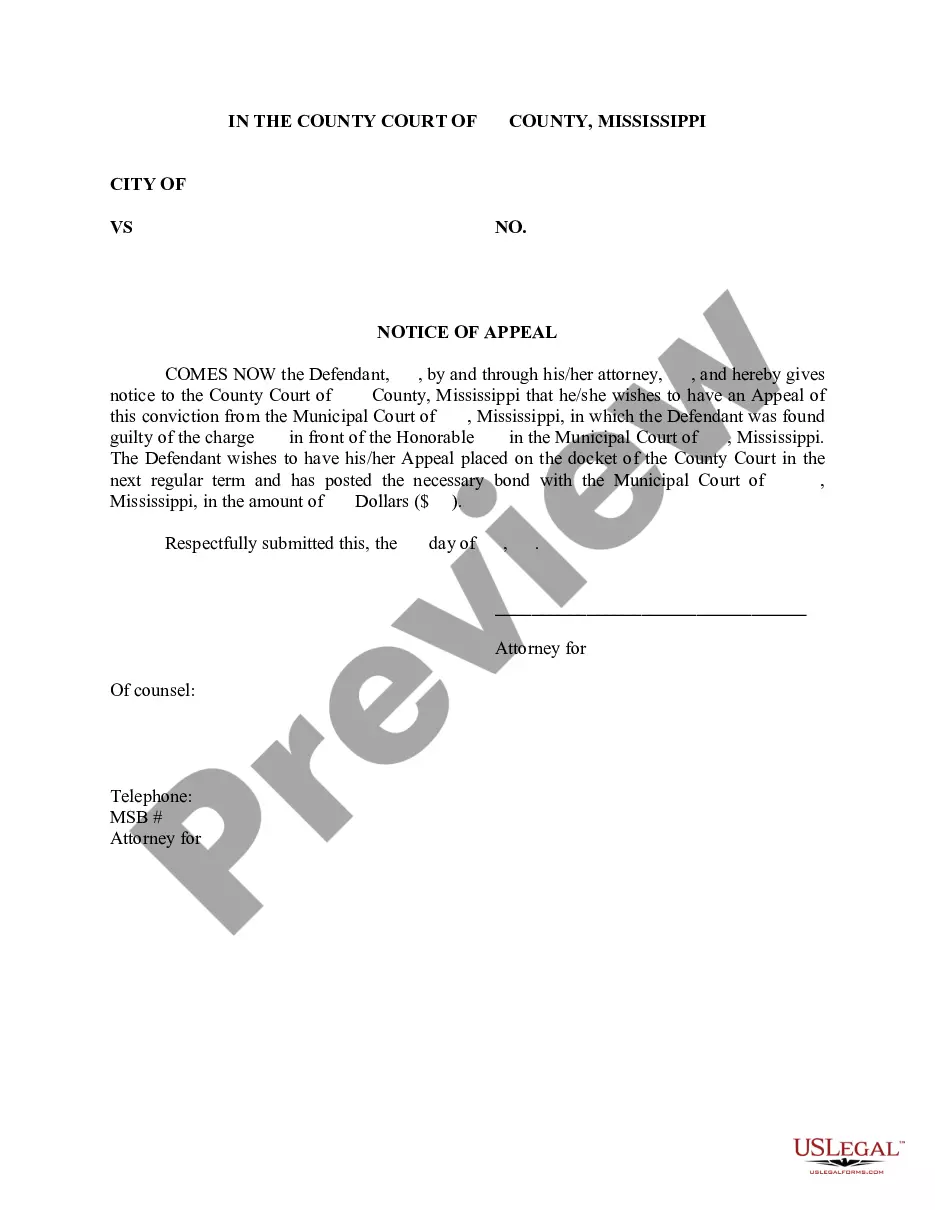
Form popularity
FAQ
The primary resource for property information is the County Recorder's Office. This office serves as a comprehensive repository of public records related to its judicial district. To find property liens through a county recorder's office, visit the office in person or contact them via phone or email.
You can file your mechanics lien in person at the Franklin County Recorder's Office located at: 373 S. High St. 8 a.m – 5 p.m. (Office stops accepting documents for recording after p.m.)
For a Lien Released Manually If your lender does not participate in Ohio's Electronic Lien and Title Program, the lender will mark that the lien was discharged and mail the paper title to you. To remove the lien from BMV records: Take the title to any County Clerk of Courts Title Office.
Regardless of whether any payments are made, your judgment does not last forever. In Ohio, judgments go “dormant” in 5 years after the latter of: (a) when the judgment was issued, or (b) the last time it was used to create a lien, generate a seizure, obtain a garnishment order, or any other similar effort.
If a Transcript of Judgment has been filed with the County Clerk, once the Debtor pays off the Judgment, the Creditor has a legal responsibility to prepare and sign a Satisfaction of Judgmentfor the benefit of the Debtor, so that all liens and record of Judgment can be removed from the County Clerk's office.
To begin an action in Small Claims Court, a person, or someone acting on his or her behalf, must come to the Small Claims Court Clerk's office in the proper county and fill out a statement of claim. To find out where the clerk's office is located in your county, click on Locations.
Small Claims Court helps individuals or corporations resolve disputes when the amount of the claim is $10,000 or less. All defendants must have an address in New York City. Get Small Claims Court information, including locations and hours of operation. Learn about case types handled by Small Claims Court.
Conclusion: Going to small claims court may be worth it for $500, but it will determine how you weigh your costs versus benefits. At a minimum, it is worth it to send a demand letter.
The Small Claims Court has monetary jurisdiction up to $10,000.00. Claims for more than $10,000.00 may not be brought in Small Claims Court. They must be started in the Civil Part of the court or in a different court.
