Escrow Seller Does For Home Insurance In Franklin
Description

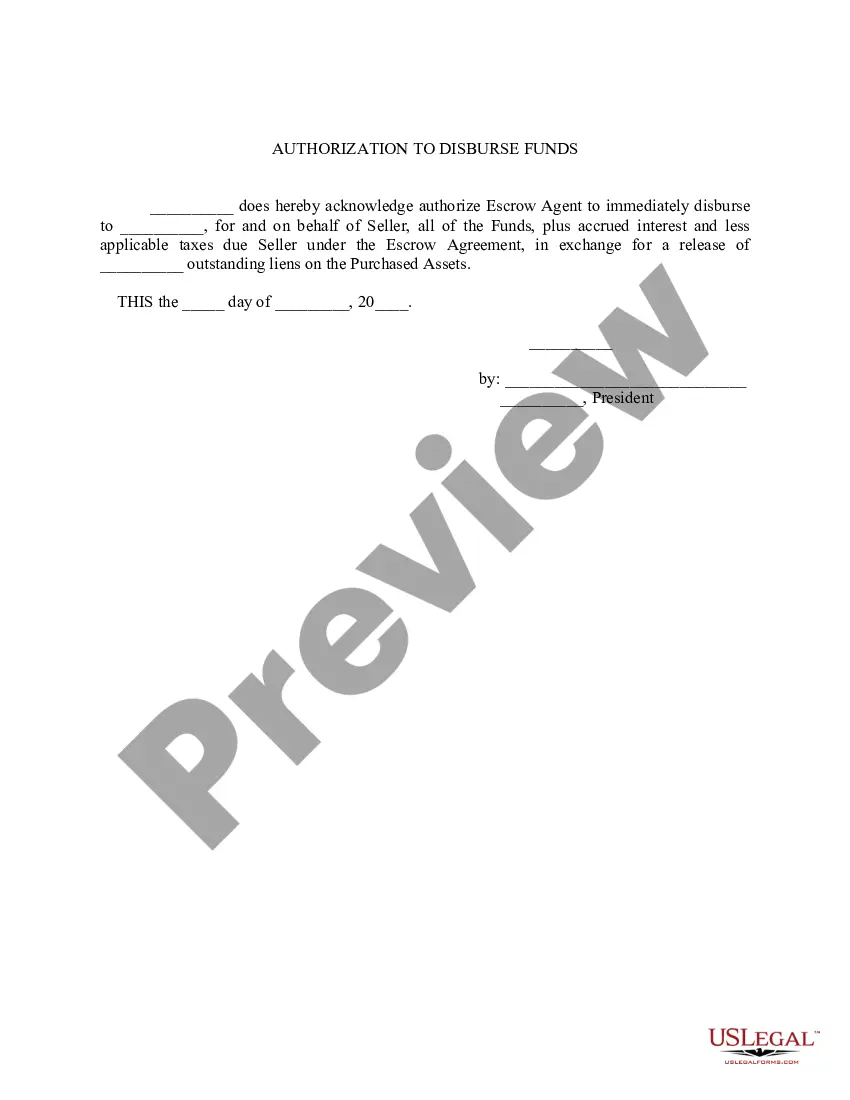
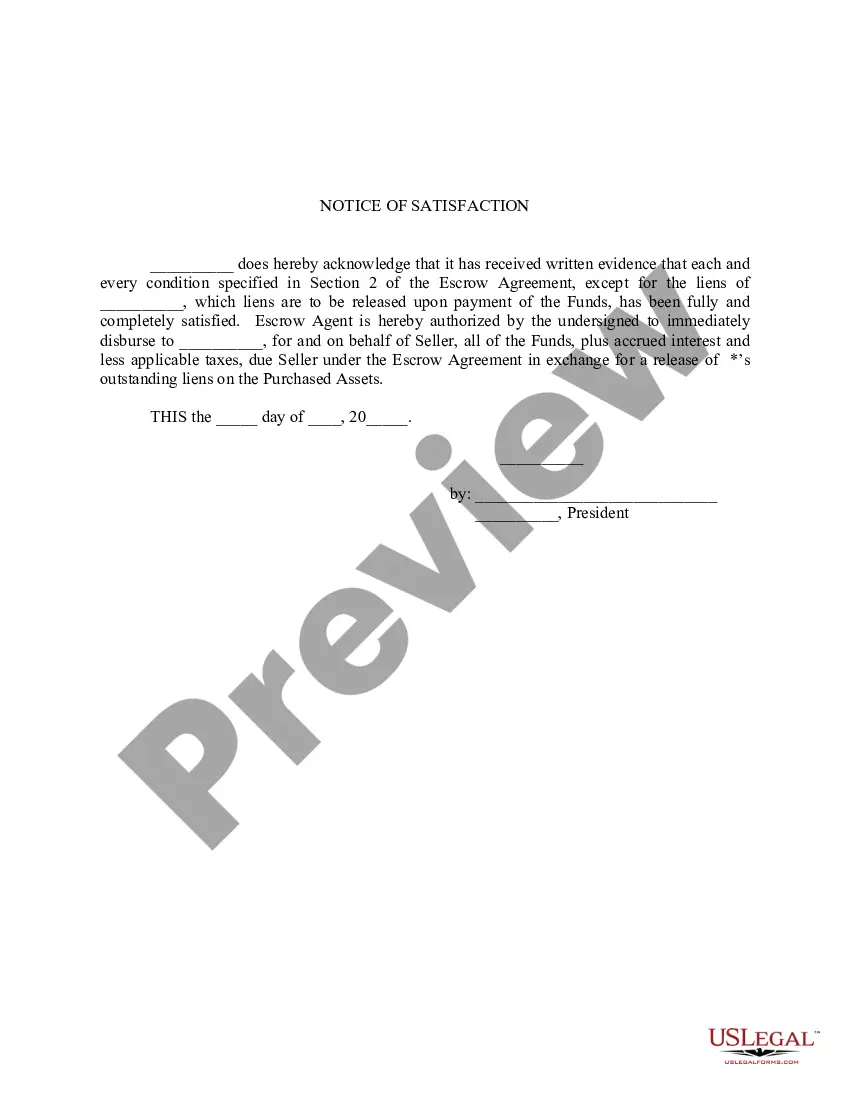
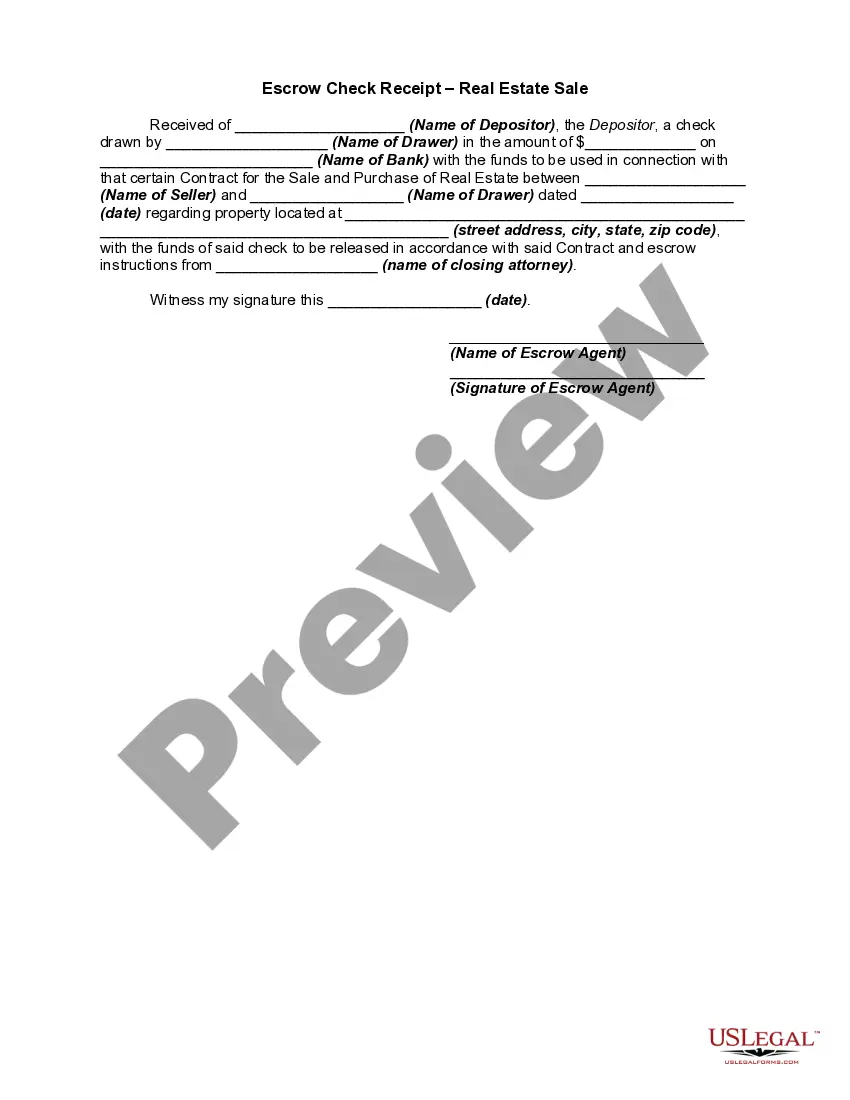
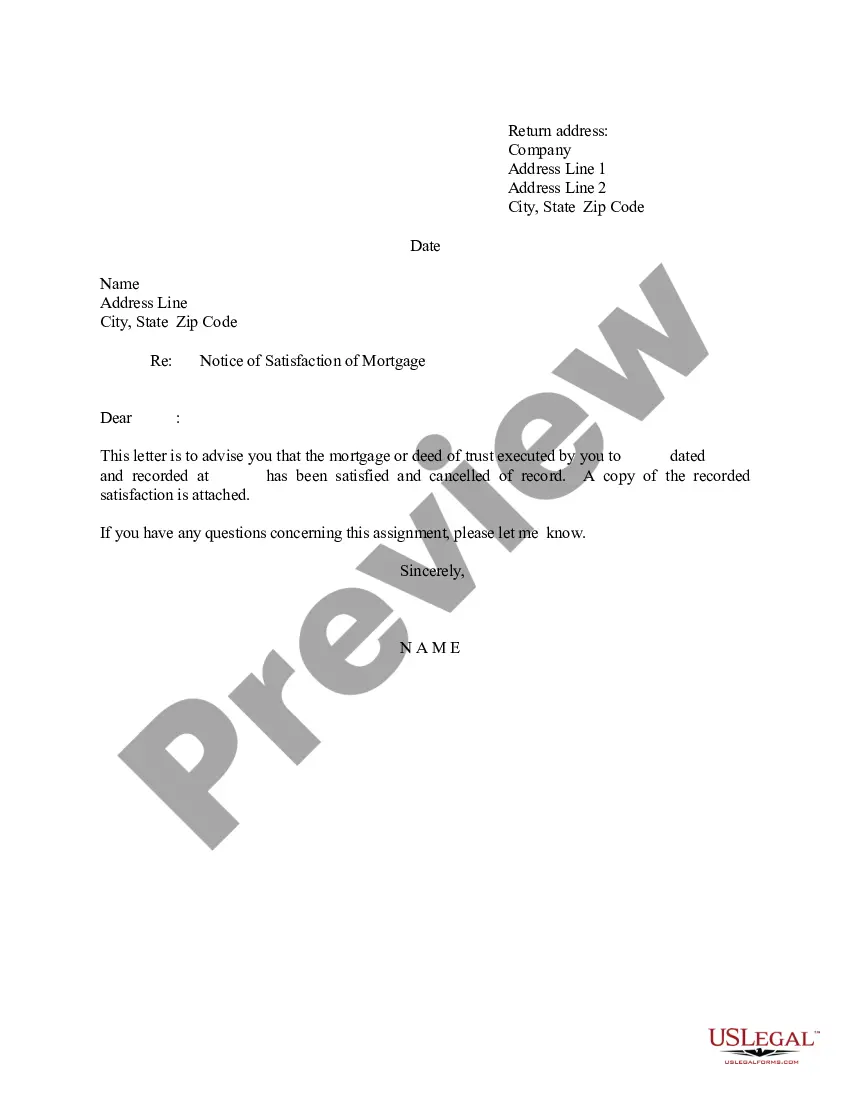
Get your form ready online
Our built-in tools help you complete, sign, share, and store your documents in one place.
Make edits, fill in missing information, and update formatting in US Legal Forms—just like you would in MS Word.
Download a copy, print it, send it by email, or mail it via USPS—whatever works best for your next step.
Sign and collect signatures with our SignNow integration. Send to multiple recipients, set reminders, and more. Go Premium to unlock E-Sign.
If this form requires notarization, complete it online through a secure video call—no need to meet a notary in person or wait for an appointment.
We protect your documents and personal data by following strict security and privacy standards.

Make edits, fill in missing information, and update formatting in US Legal Forms—just like you would in MS Word.

Download a copy, print it, send it by email, or mail it via USPS—whatever works best for your next step.

Sign and collect signatures with our SignNow integration. Send to multiple recipients, set reminders, and more. Go Premium to unlock E-Sign.

If this form requires notarization, complete it online through a secure video call—no need to meet a notary in person or wait for an appointment.

We protect your documents and personal data by following strict security and privacy standards.
Looking for another form?









Form popularity
FAQ
Inform your mortgage company of your insurance change so they can direct homeowners insurance payments from your escrow account to the correct insurer. Simply send a copy of your homeowners insurance declarations page and your former policy's cancellation notice to your lender.
Switching home insurance companies when you have an escrow account. Inform your mortgage lender: Let your mortgage company know that you're planning to switch home insurance companies. They'll need to update your escrow account with your new insurance information.
Steps to change homeowners insurance providers Review your current policy. Determine your policy needs. Research different providers and get quotes. Confirm the mortgage clause for your lender. Buy your new policy. Cancel your existing policy. Contact your lender. Send your premium refunds to the new escrow account.
You can easily change insurance companies. Get quotes from several agents, showing them your current coverage and telling them you want similar or better coverage. Or, visit with an independent insurance agent who can do a lot of the footwork for you.
Yes, you can change your home insurance at any time if you have an escrow account.
Typically, the escrow account is most often opened by the seller's real estate agent, but escrow may be opened by anyone involved in the transaction.
Escrowing taxes and insurance is a responsible choice that protects against missed payments. It's a standard practice for good reason. I'd suggest considering it for peace of mind.
Cons of escrow High upfront costs: Many escrow accounts require a minimum balance to cover unexpected expenses. You may have to keep an extra two or three months' worth of property taxes and insurance premiums as a cushion, or "escrow reserve."
However, if you have to keep an escrow account for certain required payments, such as mortgage insurance, you can still remove your regular homeowners insurance premium, property tax payments or both from your escrow account.
However, if you have to keep an escrow account for certain required payments, such as mortgage insurance, you can still remove your regular homeowners insurance premium, property tax payments or both from your escrow account.
