Escrow Seller Does For Repairs In Collin
Description

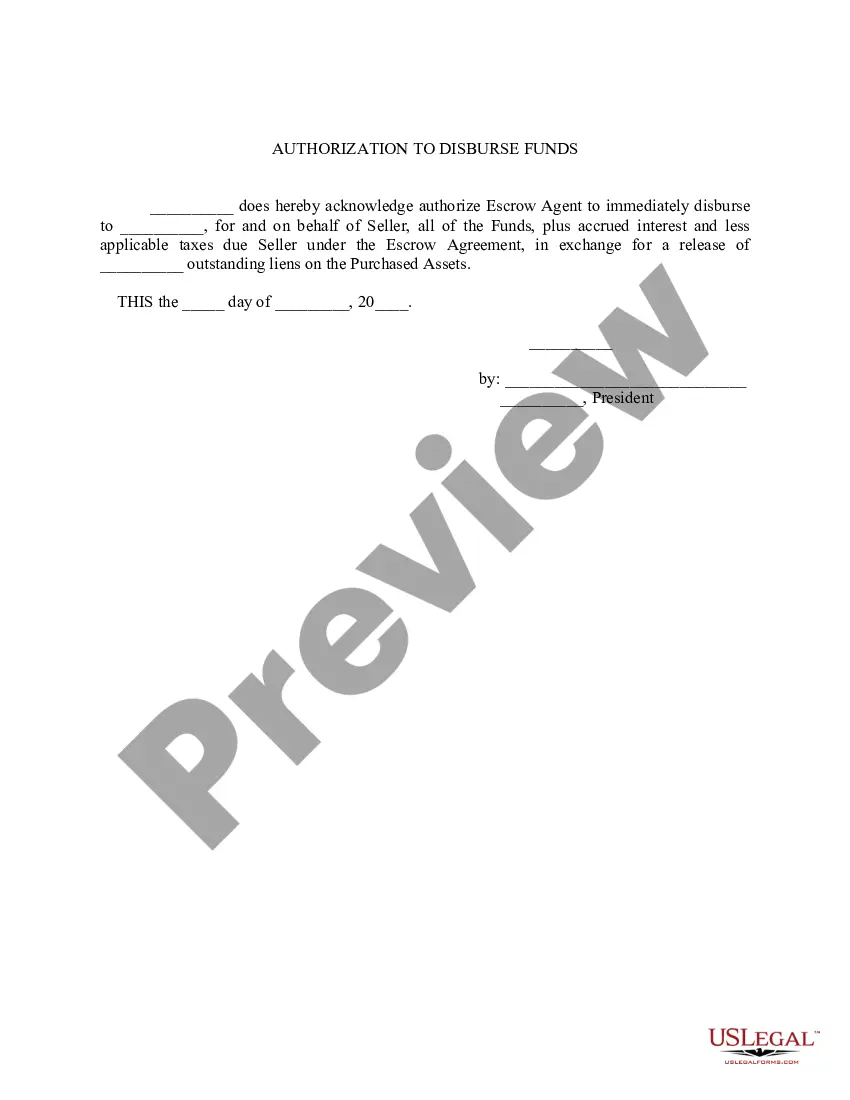
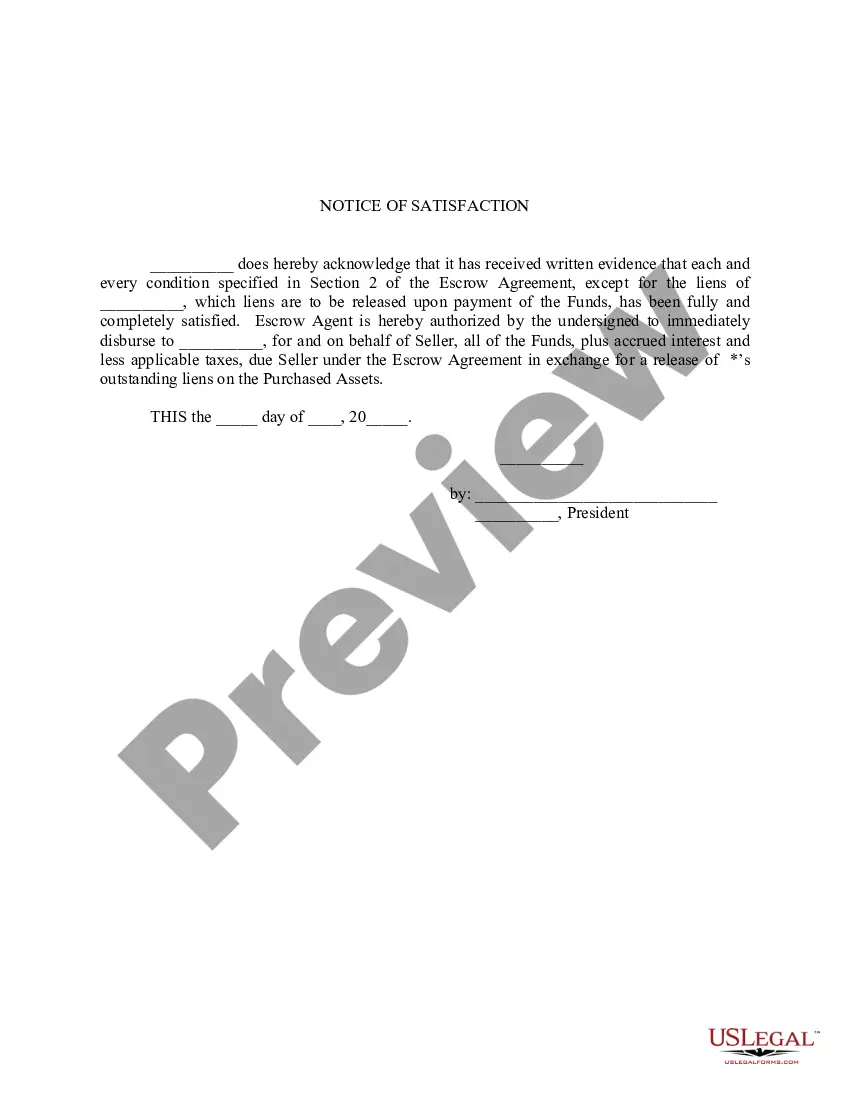
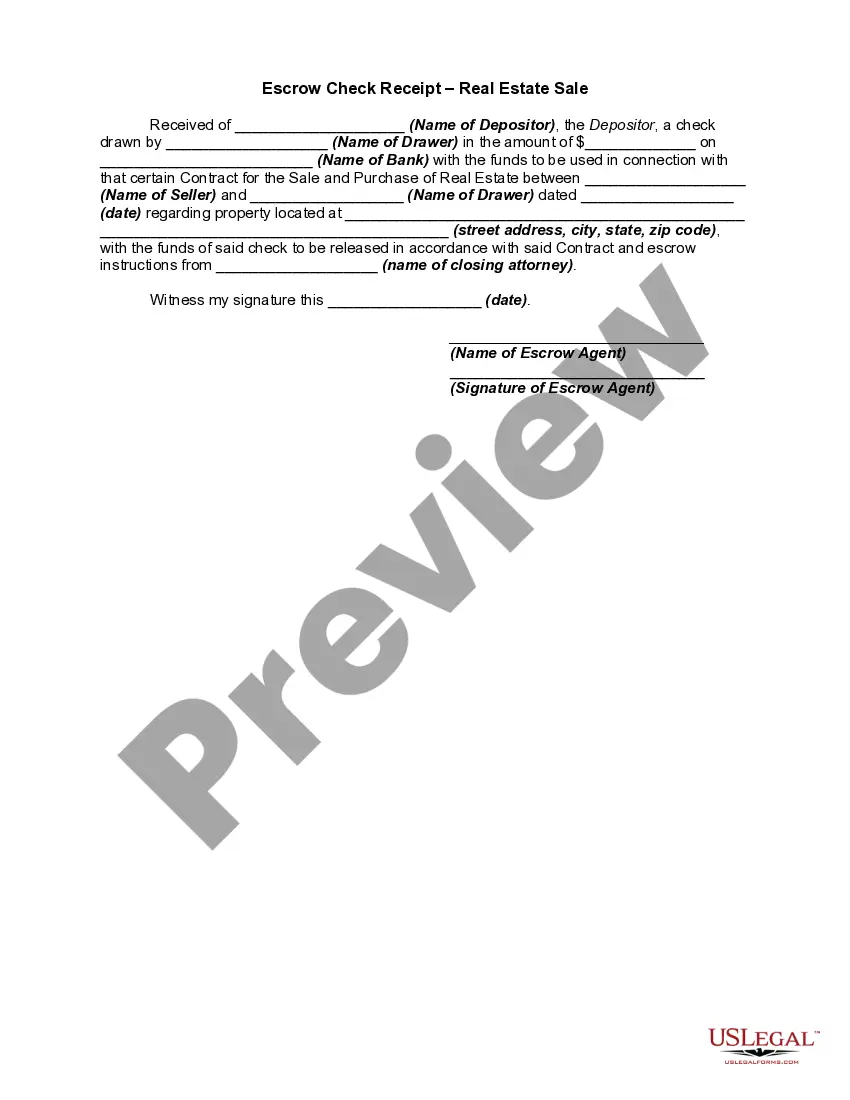
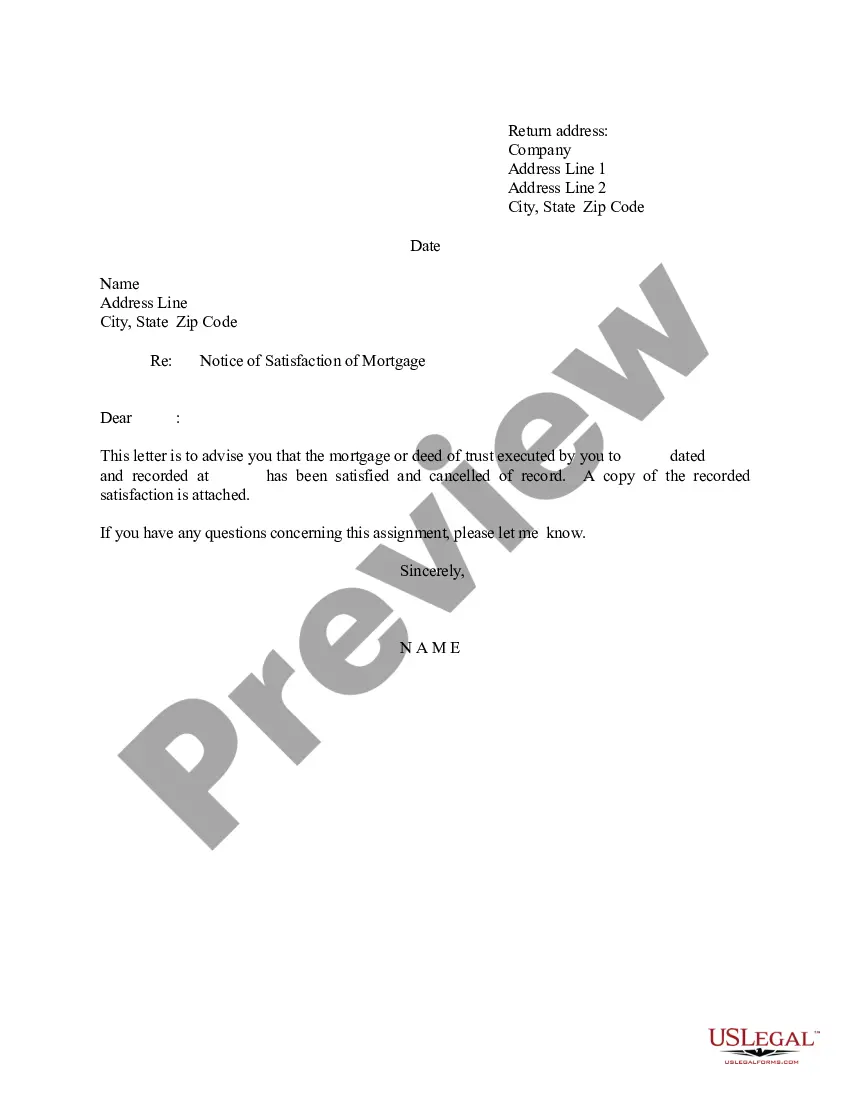
Get your form ready online
Our built-in tools help you complete, sign, share, and store your documents in one place.
Make edits, fill in missing information, and update formatting in US Legal Forms—just like you would in MS Word.
Download a copy, print it, send it by email, or mail it via USPS—whatever works best for your next step.
Sign and collect signatures with our SignNow integration. Send to multiple recipients, set reminders, and more. Go Premium to unlock E-Sign.
If this form requires notarization, complete it online through a secure video call—no need to meet a notary in person or wait for an appointment.
We protect your documents and personal data by following strict security and privacy standards.

Make edits, fill in missing information, and update formatting in US Legal Forms—just like you would in MS Word.

Download a copy, print it, send it by email, or mail it via USPS—whatever works best for your next step.

Sign and collect signatures with our SignNow integration. Send to multiple recipients, set reminders, and more. Go Premium to unlock E-Sign.

If this form requires notarization, complete it online through a secure video call—no need to meet a notary in person or wait for an appointment.

We protect your documents and personal data by following strict security and privacy standards.
Looking for another form?





Form popularity
FAQ
Buyers can bring liability claims against sellers when agreed-upon repairs in the sales contract weren't completed properly or weren't done at all. Property Boundary Issues. Buyers can sue sellers if there are known boundary disputes that they have to deal with after the sale.
Repair credits are financial concessions provided by the seller to the buyer at closing. They are intended to cover specific repair costs on the property. These credits become a part of the negotiation process after a home inspection reveals issues.
If the seller agreed in writing to make repairs, the seller is obligated by contract to fix those repairs before closing. You are obligated to close before you are in contract too, but you can extend the closing date to give seller more time to make the repairs, if you want to.
Escrow instructions are written directions to an escrow agent which state the duties of the parties and the escrow holder. Note that an existing agent or an attorney of grantor or grantee cannot act as an escrow agent due to the conflict of interest in the duties.
The pros of an as-is sale are that the seller is not required to make any additional repairs and is not liable for unknown defects, assuming they did not make any false or misleading statements to the buyer.
In Ontario, the legal principle generally holds that the risk of loss or damage transfers from the seller to the buyer upon closing. This means that any issues discovered post-closing are likely the buyer's responsibility, unless the seller failed to disclose known defects or explicitly provided false warranties.
If a seller backs out without a contingency clause to justify the decision, they could face legal action from the buyer, including claims for damages.
Ordinarily, only home defects that are legally considered "material" and that the buyer didn't know about, but which the seller did at the time of sale, will allow a buyer to recover from the seller. That means, of course, that most defects you might find within a home will not make the seller legally liable to you.
A standard three-day cancellation clause—Many real estate contracts give either party to the right to terminate for any reason within 72 hours of signing the contract. The denial of financing—As a general rule, real estate agreements are contingent upon the buyer obtaining financing.
