Escrow Seller Does For Repairs In Alameda
Description

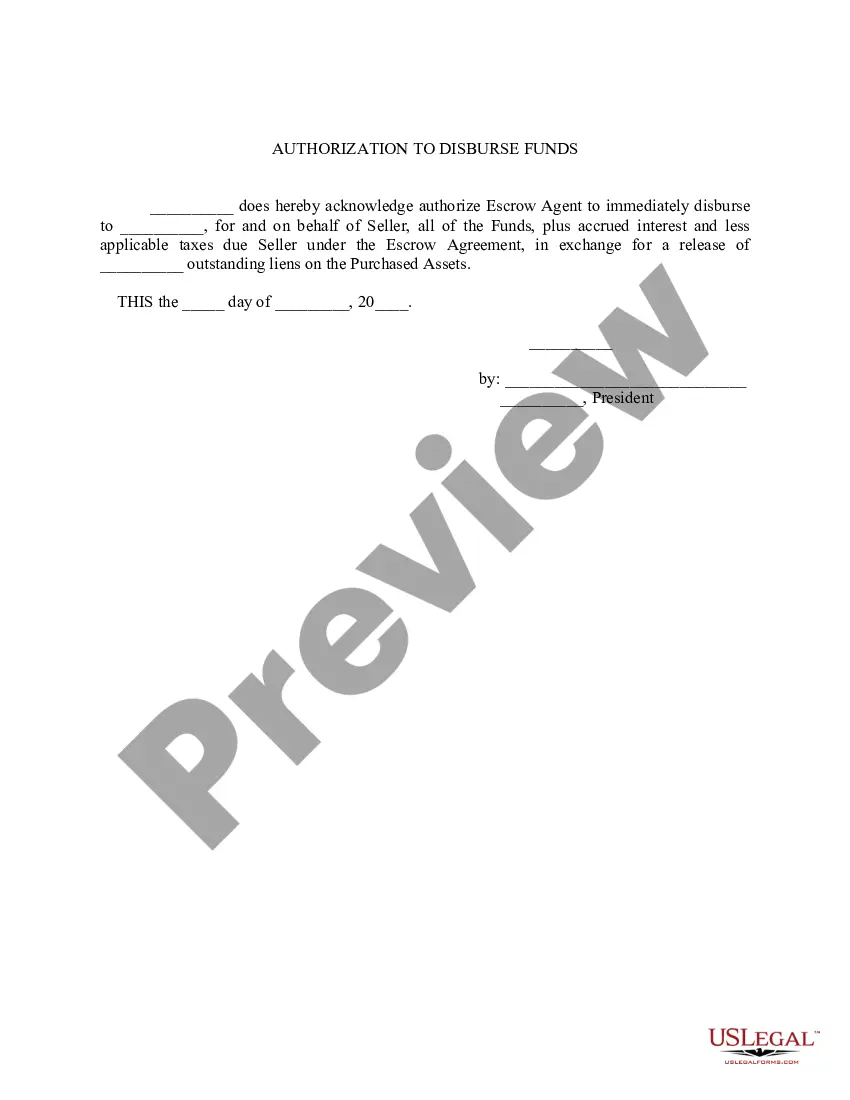
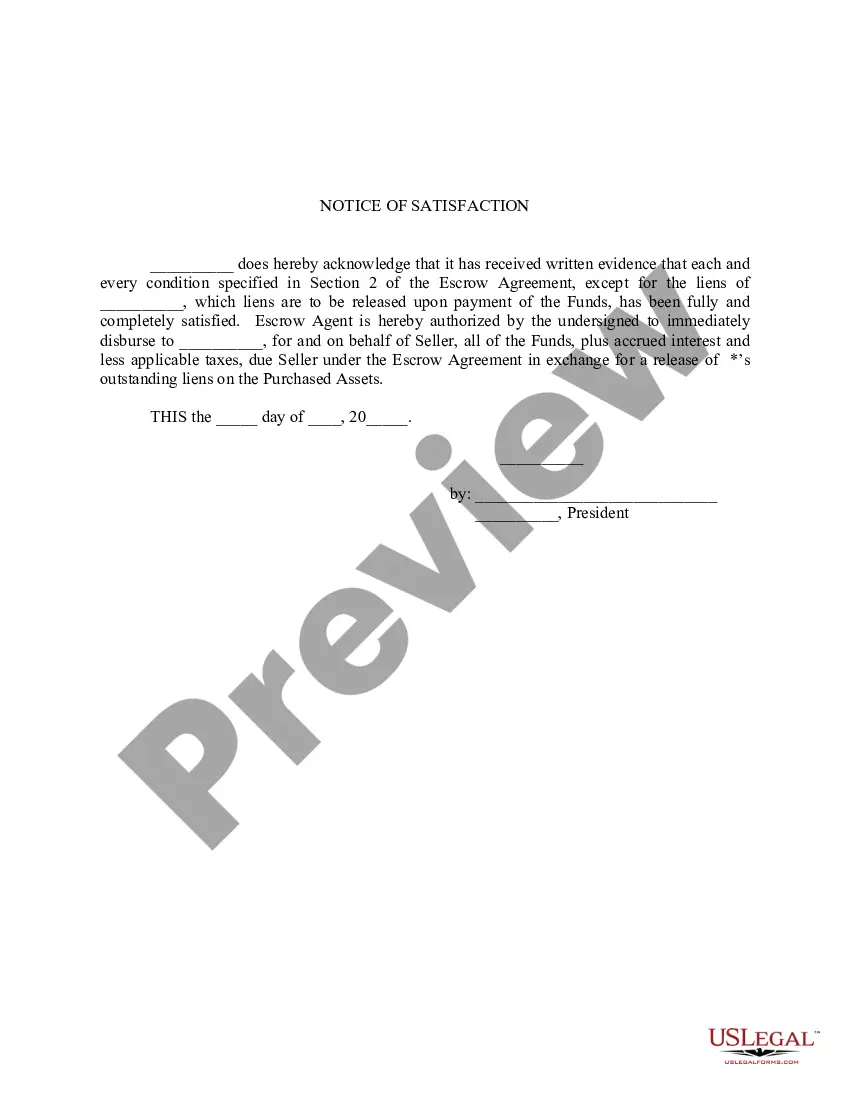
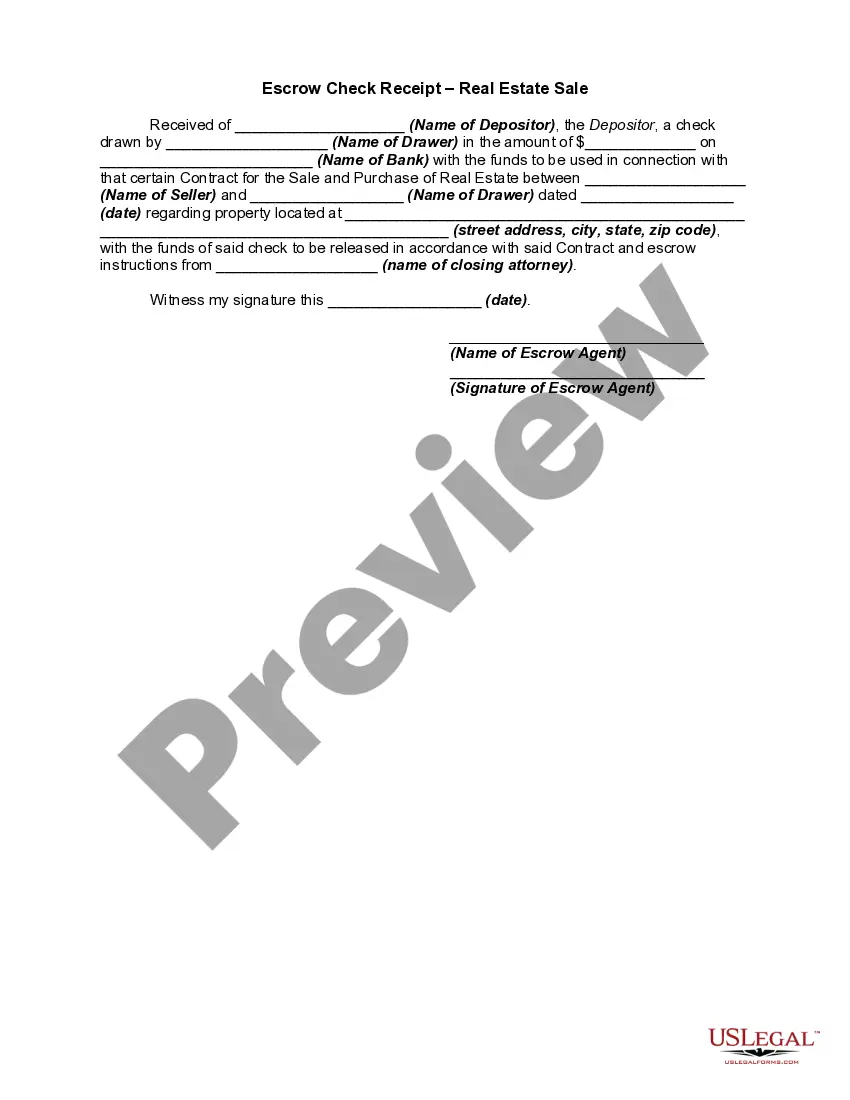
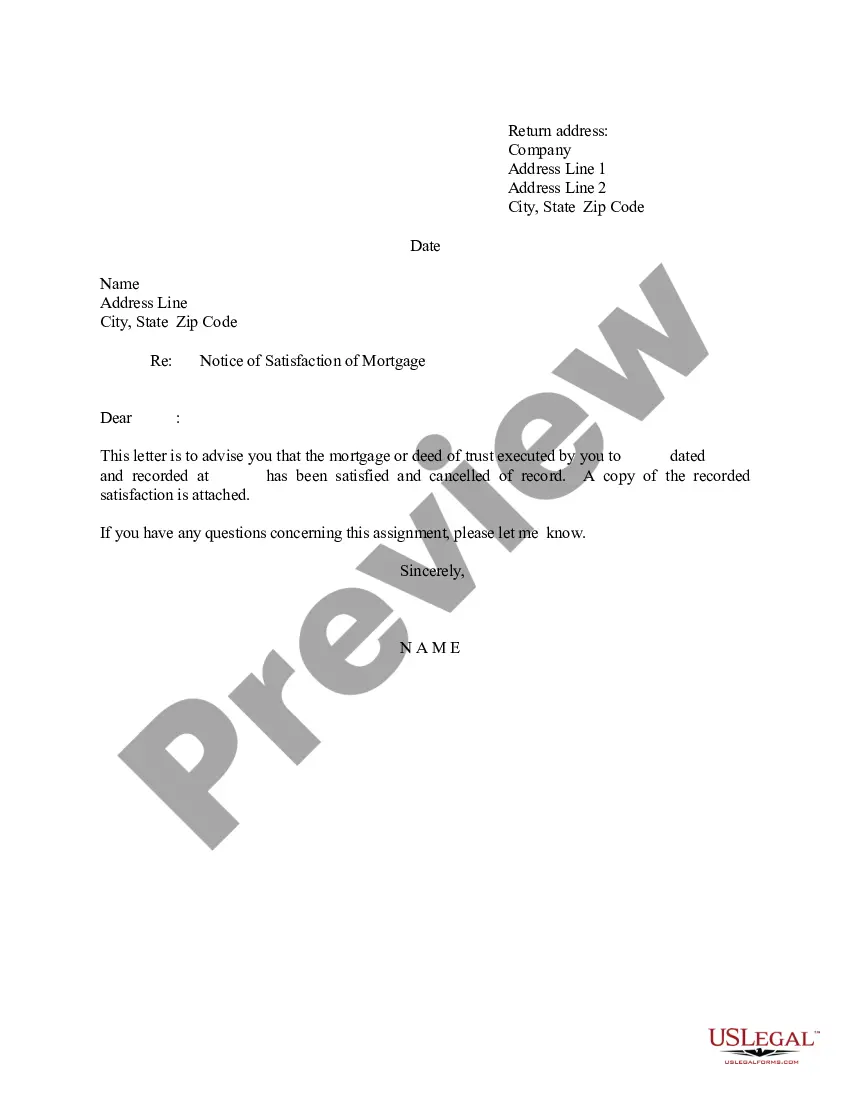
Get your form ready online
Our built-in tools help you complete, sign, share, and store your documents in one place.
Make edits, fill in missing information, and update formatting in US Legal Forms—just like you would in MS Word.
Download a copy, print it, send it by email, or mail it via USPS—whatever works best for your next step.
Sign and collect signatures with our SignNow integration. Send to multiple recipients, set reminders, and more. Go Premium to unlock E-Sign.
If this form requires notarization, complete it online through a secure video call—no need to meet a notary in person or wait for an appointment.
We protect your documents and personal data by following strict security and privacy standards.

Make edits, fill in missing information, and update formatting in US Legal Forms—just like you would in MS Word.

Download a copy, print it, send it by email, or mail it via USPS—whatever works best for your next step.

Sign and collect signatures with our SignNow integration. Send to multiple recipients, set reminders, and more. Go Premium to unlock E-Sign.

If this form requires notarization, complete it online through a secure video call—no need to meet a notary in person or wait for an appointment.

We protect your documents and personal data by following strict security and privacy standards.
Looking for another form?







Form popularity
FAQ
The buyer will choose the title and escrow com- pany. Orange Coast Title would love the opportunity to service your needs. The seller will then accept, counter or reject the offer.
In California, there are two forms of escrow instructions generally employed: bilateral (i.e., executed by and binding on both buyer and seller) and unilateral (i.e., separate instructions executed by the buyer and seller, binding on each).
Who Handles Escrow in California? In California, the escrow agreement is usually handled by a licensed Escrow Officer or Escrow Agent. This person will be your representative in the escrow process, and he or she will keep track of the transfer of funds and property and any other important information.
The cancellation provisions are found in Paragraphs 14C (1) and (2), and in Paragraph 14E of the CA-RPA. Regardless of the reason, the seller must give some type of notice to the buyer, however (either a Notice to Perform or a Demand to Close Escrow) before the seller can cancel.
Currently, the escrow states are: Alaska, Arizona, California, Hawaii, Idaho, Nevada, New Mexico, parts of Ohio, Oregon, Utah and Washington. States that structure closings differently. You and the seller are not required to be in the same location.
In Ontario, the legal principle generally holds that the risk of loss or damage transfers from the seller to the buyer upon closing. This means that any issues discovered post-closing are likely the buyer's responsibility, unless the seller failed to disclose known defects or explicitly provided false warranties.
If a seller backs out without a contingency clause to justify the decision, they could face legal action from the buyer, including claims for damages.
Now that the home is under new ownership, the property owner bears the responsibility of anything related to the property. The only way you could be liable at this point, is if something happens and the buyer can prove that you should have known about it, and therefore were responsible to disclose it to them.
