Board Of Studies Meeting Format In Wayne
Description
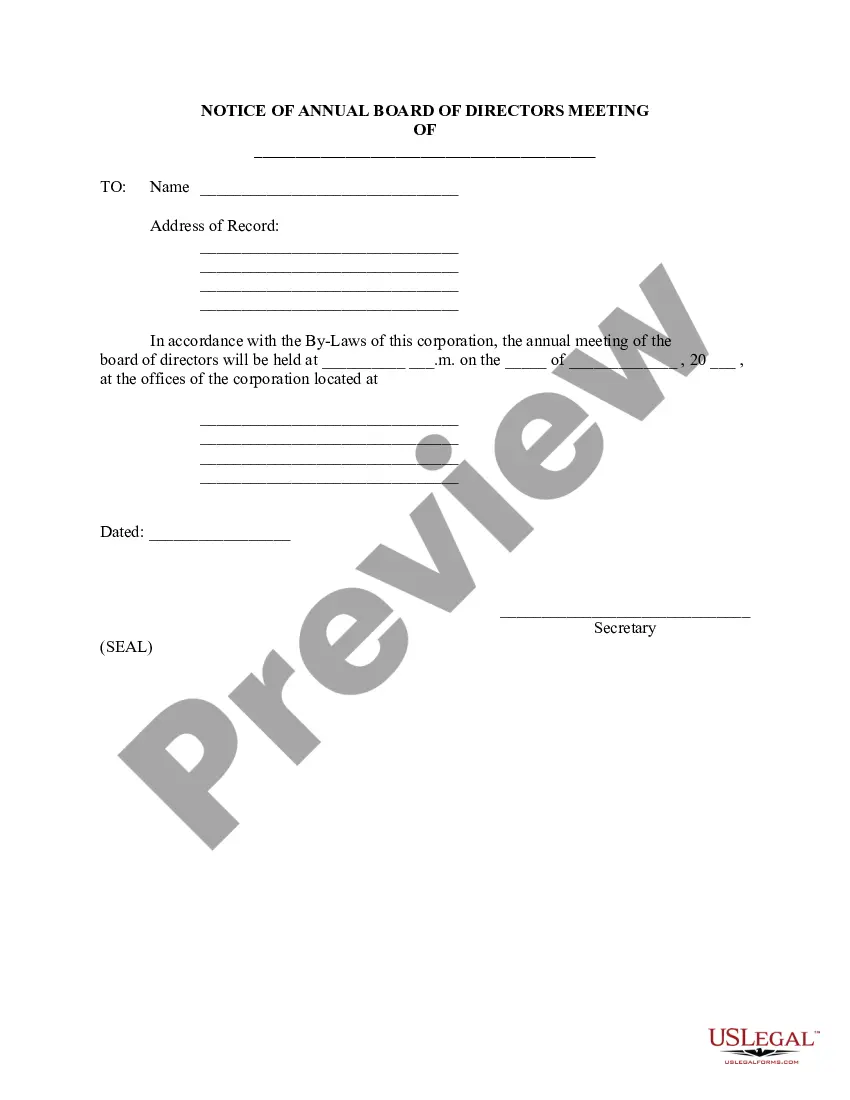



Get your form ready online
Our built-in tools help you complete, sign, share, and store your documents in one place.
Make edits, fill in missing information, and update formatting in US Legal Forms—just like you would in MS Word.
Download a copy, print it, send it by email, or mail it via USPS—whatever works best for your next step.
Sign and collect signatures with our SignNow integration. Send to multiple recipients, set reminders, and more. Go Premium to unlock E-Sign.
If this form requires notarization, complete it online through a secure video call—no need to meet a notary in person or wait for an appointment.
We protect your documents and personal data by following strict security and privacy standards.

Make edits, fill in missing information, and update formatting in US Legal Forms—just like you would in MS Word.

Download a copy, print it, send it by email, or mail it via USPS—whatever works best for your next step.

Sign and collect signatures with our SignNow integration. Send to multiple recipients, set reminders, and more. Go Premium to unlock E-Sign.

If this form requires notarization, complete it online through a secure video call—no need to meet a notary in person or wait for an appointment.

We protect your documents and personal data by following strict security and privacy standards.
Looking for another form?





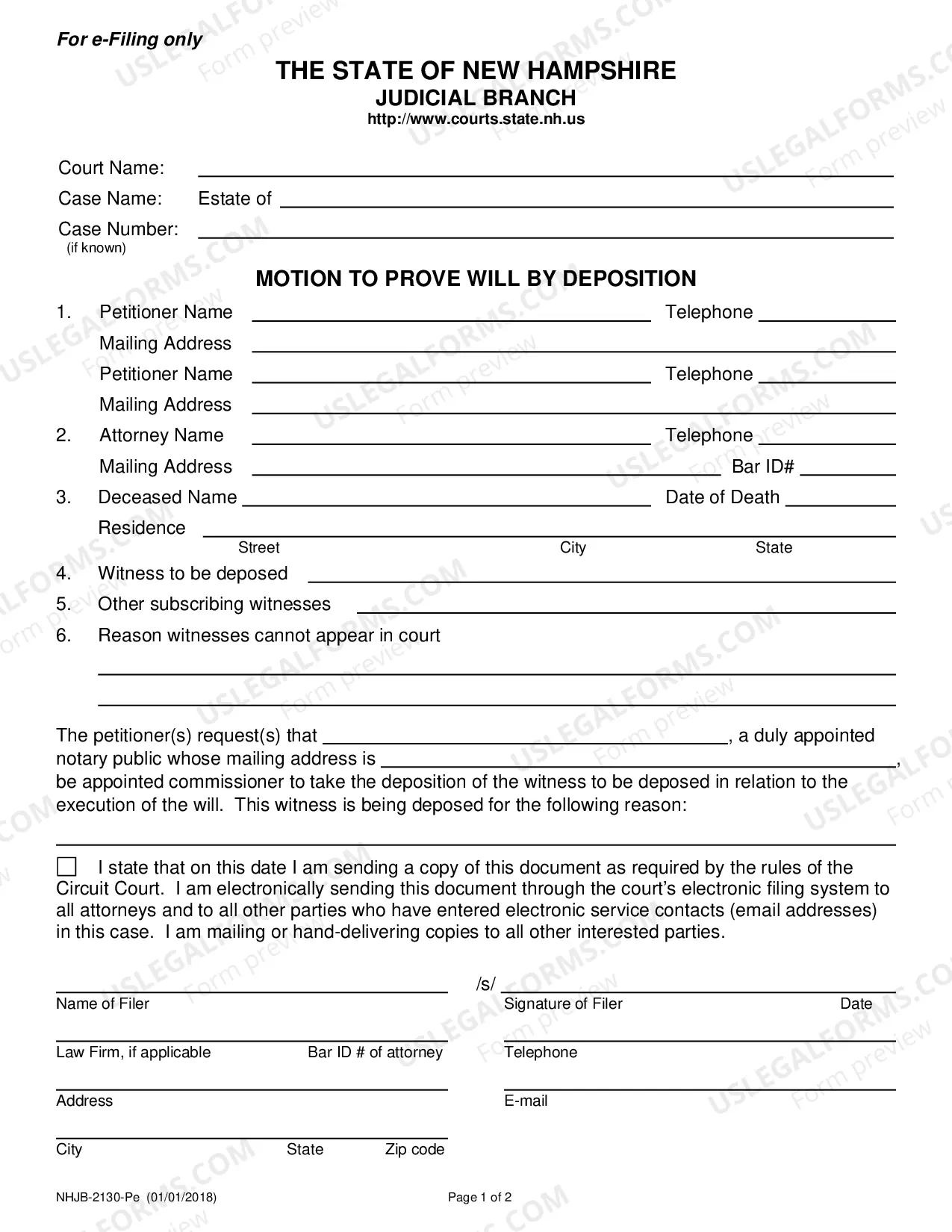




Form popularity
FAQ
School Board Meetings are formal business meetings for the district where items are voted upon by the entire board for approval. Other than Recommended Routine Items, items that appear for a vote on the School Board agenda are usually researched and approved by a committee before being brought before the full board.
5 Tips to Conduct a School Board Meeting Enforce School Board Meeting Policies. School boards usually contain policies to guide each board meeting. Invest in Meeting Management Software. Distribute Meeting Agenda. Collaborate with Board Members. Distribute Post-Meeting Action Items.
The school board is democratically elected by everyone living in the school district, and these school board meetings are an opportunity for the people to talk to the school board and try and convince them to do something. In this case, people are complaining about the board's handling of the Pandemic.
Board meetings provide executives and directors the opportunity to discuss company performance, plans and progress. Having a specific agenda can ensure that the board can discuss needed topics and identify actions that different team members might complete.
The following steps to running a board meeting are: Recognizing a quorum. Calling the meeting to order. Approving the agenda and minutes. Allowing for communication and reports. Addressing old/new/other business. Closing the meeting.
Board meeting etiquette don'ts Don't – Make your agenda unrealistic. Don't – Be late. Don't – Interrupt others. Don't – Put others down. Don't – Use your smartphone. Don't – Inundate your board with several different pre-meeting emails. Don't – Allow side conversations. Don't – Read committee reports out loud.
Also called “business” or “regular” meetings, School Board meetings include two public comment opportunities; one for specific items listed on the agenda and another for general comment. Board Meetings are generally held in the Large Group Instruction Room (LGI) in the High School.
Most board meeting agendas follow a classic meeting structure: Calling meeting to order – ensure you have quorum. Approve the agenda and prior board meeting minutes. Executive and committee reports – allow 25% of time here for key topic discussion. Old/new/other business. Close the meeting and adjourn.
The chair owns the agenda Who prepares the first draft? Usually the company secretary, the CEO or the board secretary. This then needs to be approved or amended by the chair. The agenda and the board papers need to be sent to all directors at least 5 days plus a weekend, prior to the board meeting.

