Meeting Do Board For School In Washington
Description
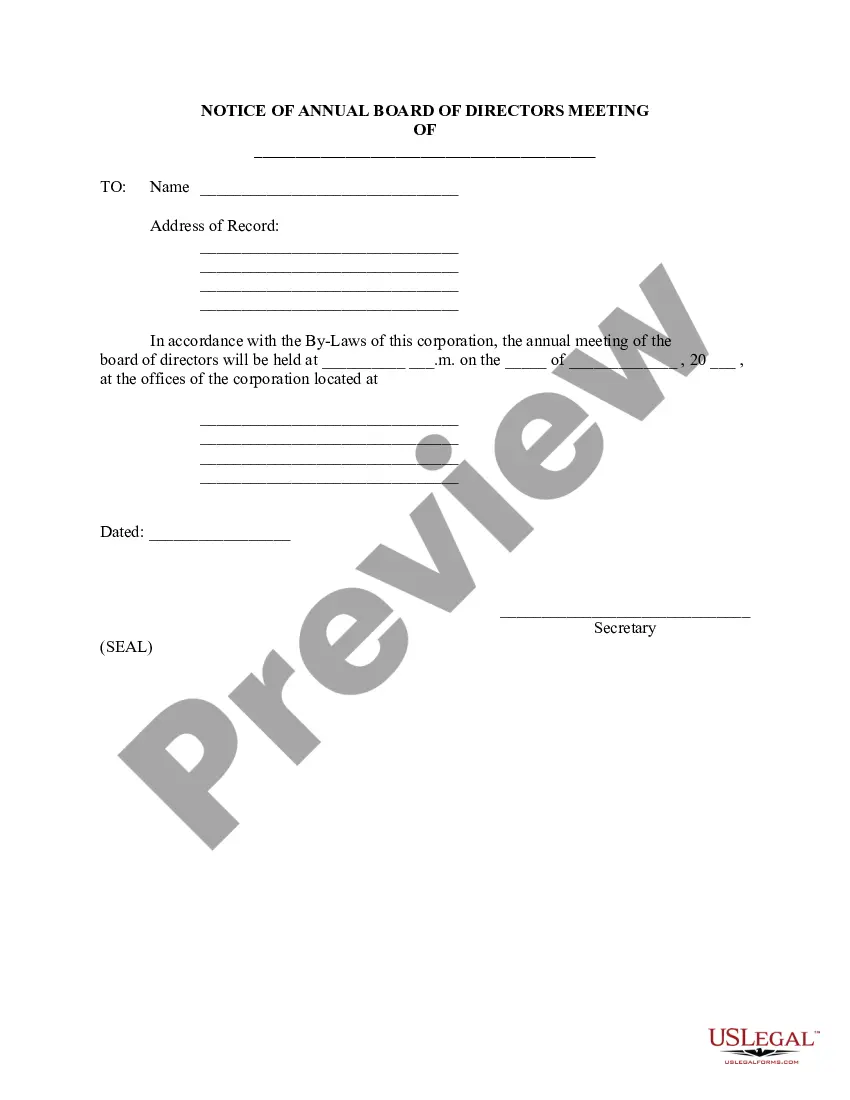



Get your form ready online
Our built-in tools help you complete, sign, share, and store your documents in one place.
Make edits, fill in missing information, and update formatting in US Legal Forms—just like you would in MS Word.
Download a copy, print it, send it by email, or mail it via USPS—whatever works best for your next step.
Sign and collect signatures with our SignNow integration. Send to multiple recipients, set reminders, and more. Go Premium to unlock E-Sign.
If this form requires notarization, complete it online through a secure video call—no need to meet a notary in person or wait for an appointment.
We protect your documents and personal data by following strict security and privacy standards.

Make edits, fill in missing information, and update formatting in US Legal Forms—just like you would in MS Word.

Download a copy, print it, send it by email, or mail it via USPS—whatever works best for your next step.

Sign and collect signatures with our SignNow integration. Send to multiple recipients, set reminders, and more. Go Premium to unlock E-Sign.

If this form requires notarization, complete it online through a secure video call—no need to meet a notary in person or wait for an appointment.

We protect your documents and personal data by following strict security and privacy standards.
Looking for another form?







Form popularity
FAQ
profit looking for a better way to schedule board meetings needs to keep in mind only 3 simple steps. Work within a date range that works for the organization's calendar. Work within days/times that works for board members' calendars. Make the final decision quickly and stick with it.
Voters who elect board members, others who materially support the schools through their taxes, and still others whose children are the learners are all stakeholders at the local level. They collectively constitute the board's immediate boss: the community.
Anyone who is an Officer of the company should also attend Board meetings. Invariably, these are senior executives and perhaps founders who have a depth of knowledge which the Board would wish to have present at the meetings.
School boards are responsible for hiring and evaluating the superintendent of schools, but they allow the superintendent and the administration to run the day-to-day operations of the school district. School board members act on the recommendations of the superintendent.
Find the link to the school board website. If you can't find it, put the name of your school district and “school board” in a search engine. The calendar should always be on the school district's website. At the school board website, look for “Citizen Participation” or a similar option.
The Board Chair is often seen as a meeting facilitator. In reality, the Board Chair responsibilities are far greater than that. The Board Chair maintains focus on what is best for the company or organization. He/she facilitates good board leadership and governance and sets the tone for the meetings.
Also called “business” or “regular” meetings, School Board meetings include two public comment opportunities; one for specific items listed on the agenda and another for general comment. Board Meetings are generally held in the Large Group Instruction Room (LGI) in the High School.
How to structure an effective board of directors presentation Title slide: Start with a compelling title that summarizes the purpose of the presentation. Agenda. Introduction. Company overview. Financial highlights. Operational updates. Market analysis. Strategic initiatives:
How to give a presentation to a board of directors Understand your audience. Before you start creating your presentation, conduct research on your audience. Create an outline. Add visuals. Focus on the outcome. Address any challenges. Leave time for questions. Conclude your presentation.
Board presentations focus on high-level insights and strategic decisions rather than operational details. They are concise, data-driven, and tailored to the board's priorities, often featuring well-structured board slides to enhance clarity and impact.

