Meeting Board Template With Actions In San Antonio
Description
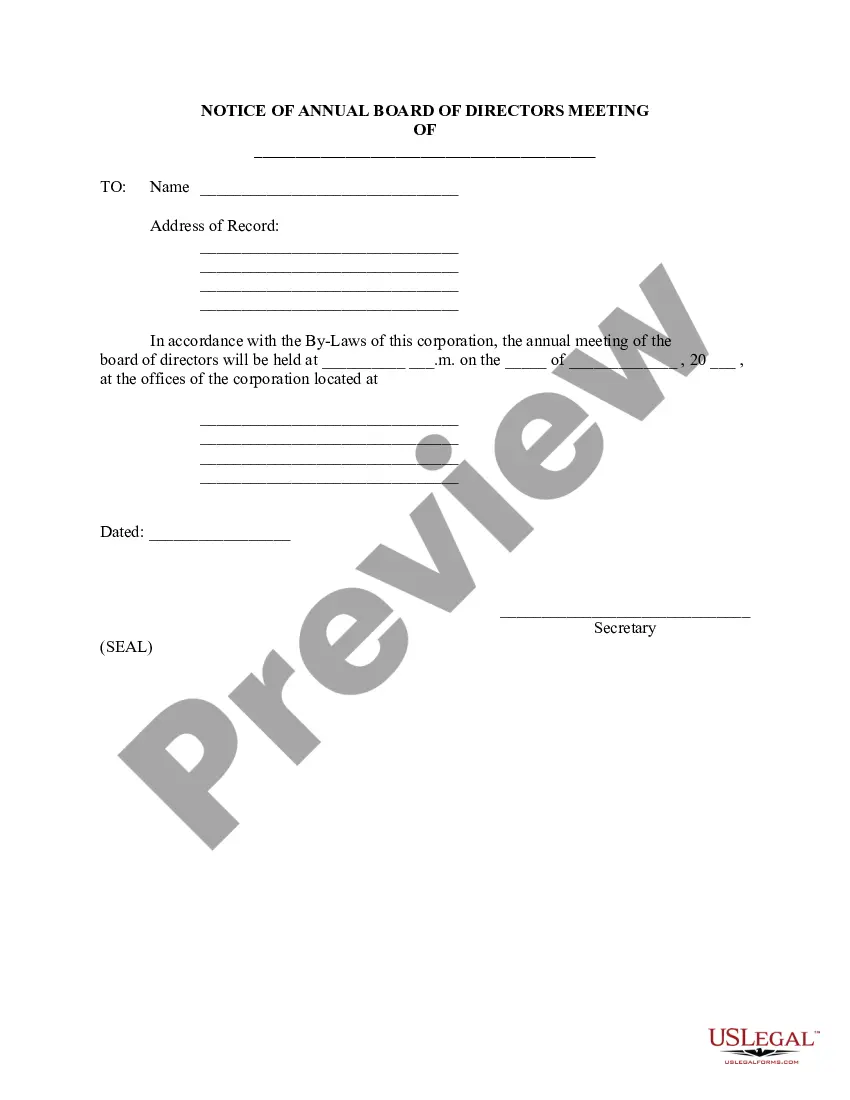



Get your form ready online
Our built-in tools help you complete, sign, share, and store your documents in one place.
Make edits, fill in missing information, and update formatting in US Legal Forms—just like you would in MS Word.
Download a copy, print it, send it by email, or mail it via USPS—whatever works best for your next step.
Sign and collect signatures with our SignNow integration. Send to multiple recipients, set reminders, and more. Go Premium to unlock E-Sign.
If this form requires notarization, complete it online through a secure video call—no need to meet a notary in person or wait for an appointment.
We protect your documents and personal data by following strict security and privacy standards.

Make edits, fill in missing information, and update formatting in US Legal Forms—just like you would in MS Word.

Download a copy, print it, send it by email, or mail it via USPS—whatever works best for your next step.

Sign and collect signatures with our SignNow integration. Send to multiple recipients, set reminders, and more. Go Premium to unlock E-Sign.

If this form requires notarization, complete it online through a secure video call—no need to meet a notary in person or wait for an appointment.

We protect your documents and personal data by following strict security and privacy standards.
Looking for another form?





Form popularity
FAQ
Only one thing (motion) can be discussed at a time. A motion is the topic under discussion (e.g., “I move that we add a coffee break to this meeting”).
How do you write a motion for minutes of a meeting? To write a motion for minutes of a meeting, use the following format: Main motion: Moved by name. The motion carried or failed with number in favour and number against by a ballot vote.
5 steps to write impactful meeting action items Write the action item (what) Discuss the purpose (why) Set a due date (when) Assign a person to every action item (who) Think about what happens next.
For motions, include the exact wording of the statement, and the name of the person making the motion. Some organizations might require the name of the person seconding the motion, as well. Bowie adds that if the motion is not worded properly, it's up to the chair to help the member modify the wording.
Action items are tasks assigned to an individual or group with a specific deadline, typically presented as an extension of meeting minutes. Individuals or groups appointed to action items are responsible for completing the job. These particular tasks can be a single or a multi-step process.
How to write a meeting agenda Clarify meeting objectives. The first step in writing a meeting agenda is to clearly define any goals. Invite participant input. Outline key questions for discussion. Define each task's purpose. Allocate time for agenda items. Assign topic facilitators. Write the meeting agenda.
The following steps to running a board meeting are: Recognizing a quorum. Calling the meeting to order. Approving the agenda and minutes. Allowing for communication and reports. Addressing old/new/other business. Closing the meeting.
Once you have the floor, state the motion as “I move (state your motion here).” 2. Once the chairperson has heard your motion, any member may second it by saying, “I second the motion,” indicating approval of the motion. A motion may not be discussed or voted on unless it is seconded.
Starting the Meeting: ``Good (morning/afternoon), everyone. Thank you for joining us today. I'd like to welcome you to this meeting. Our agenda includes (briefly outline the agenda items). Let's begin with our first topic.''

