Board Meeting And Resolution In Ohio
Description
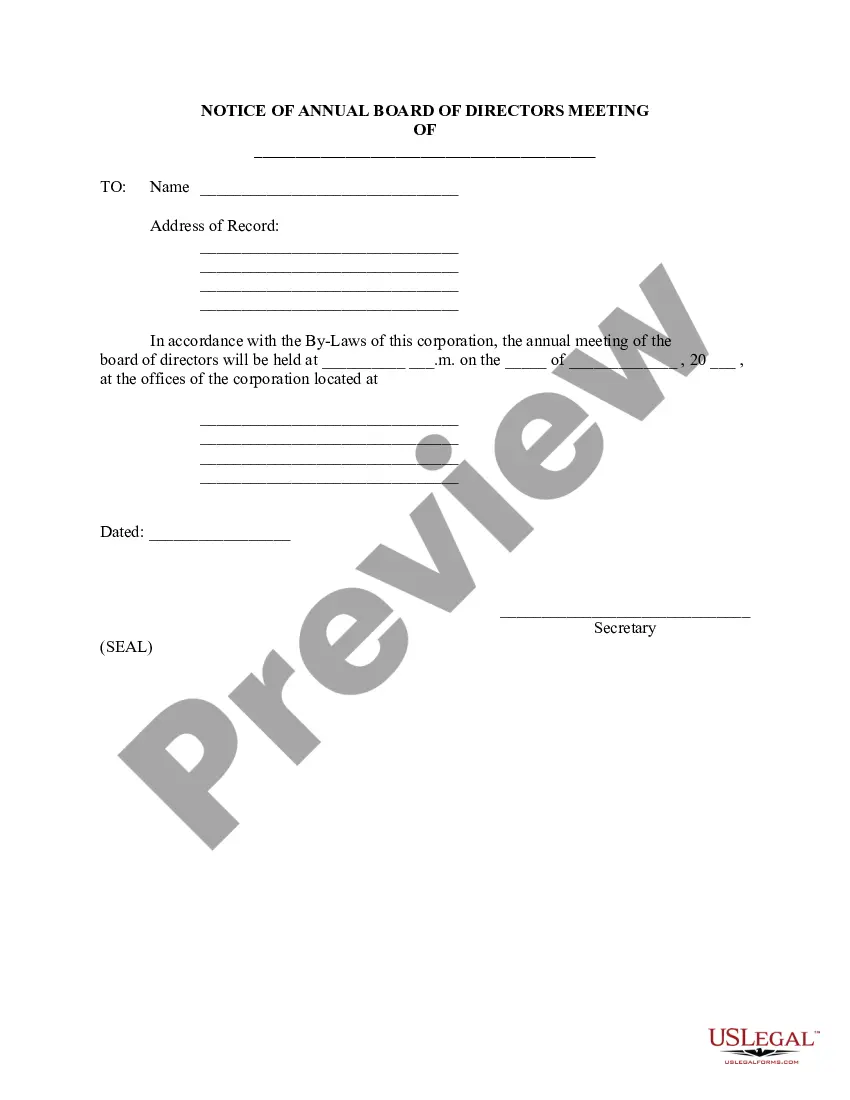


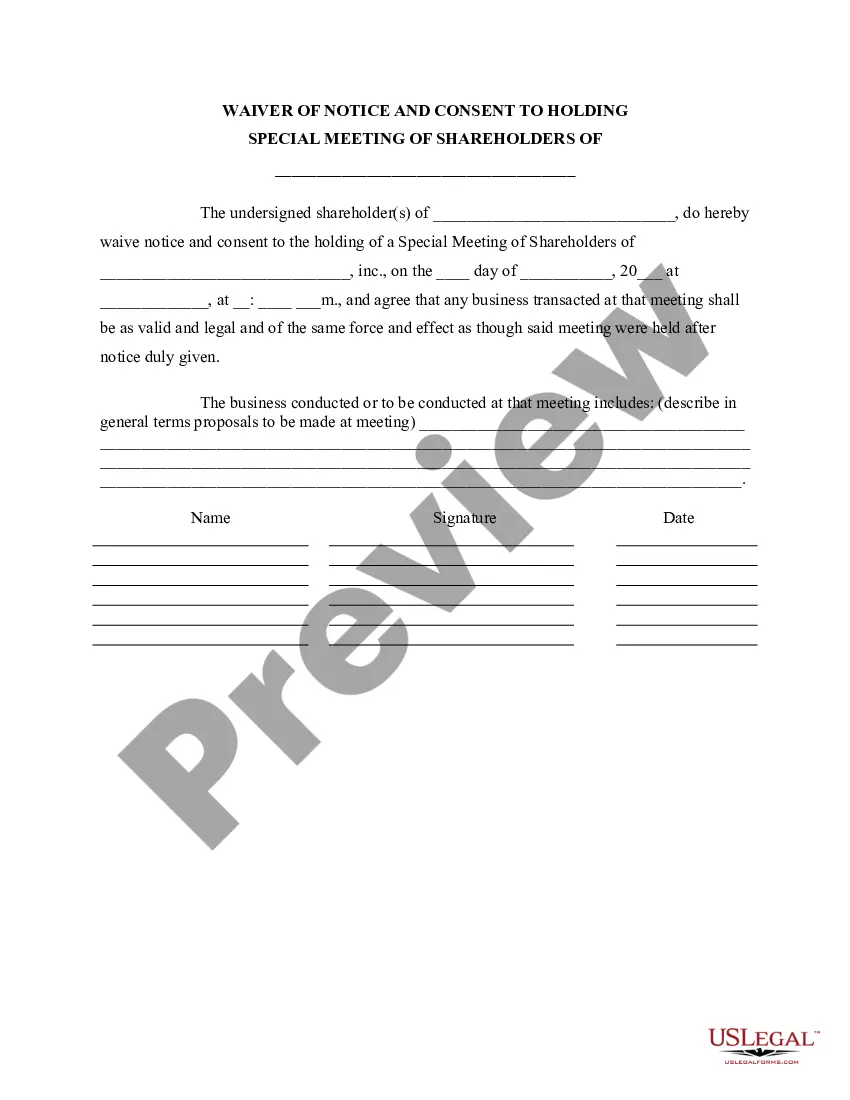
Get your form ready online
Our built-in tools help you complete, sign, share, and store your documents in one place.
Make edits, fill in missing information, and update formatting in US Legal Forms—just like you would in MS Word.
Download a copy, print it, send it by email, or mail it via USPS—whatever works best for your next step.
Sign and collect signatures with our SignNow integration. Send to multiple recipients, set reminders, and more. Go Premium to unlock E-Sign.
If this form requires notarization, complete it online through a secure video call—no need to meet a notary in person or wait for an appointment.
We protect your documents and personal data by following strict security and privacy standards.

Make edits, fill in missing information, and update formatting in US Legal Forms—just like you would in MS Word.

Download a copy, print it, send it by email, or mail it via USPS—whatever works best for your next step.

Sign and collect signatures with our SignNow integration. Send to multiple recipients, set reminders, and more. Go Premium to unlock E-Sign.

If this form requires notarization, complete it online through a secure video call—no need to meet a notary in person or wait for an appointment.

We protect your documents and personal data by following strict security and privacy standards.
Looking for another form?








Form popularity
FAQ
A proper meeting notice should include: Date, Time, and Venue: Clear details on when and where the meeting will take place. Purpose of the Meeting: A brief description of the meeting's objectives. Agenda: An outline of topics to be discussed; this helps attendees prepare for the meeting.
More than 28 days' notice must be given for listed companies regardless of what the company constitution says (s 249HA). A shorter period can be specified for an AGM if all the members entitled to vote agree beforehand.
A resolution expresses the desires of City Council on a particular topic. An ordinance creates a law and/or authorizes a specific action to be taken. Resolutions can be acted upon in one reading, although many resolutions are read more frequently.
A form of written resolutions of the directors of a company, for use where those directors wish to pass resolutions without holding a board meeting.
(C) All meetings of any public body are declared to be public meetings open to the public at all times. A member of a public body shall be present in person at a meeting open to the public to be considered present or to vote at the meeting and for purposes of determining whether a quorum is present at the meeting.
Sometimes, boards face pressing or urgent matters that require timely decision-making by the board. In such cases, the board may meet on an emergency basis to vote on an issue that can't wait until the next regular meeting. These decisions are called board resolutions.
A public body shall not hold a special meeting unless it gives at least twenty-four hours' advance notice to the news media that have requested notification, except in the event of an emergency requiring immediate official action.
No specific length of notice is required but reasonable notice should be given. For some companies one week may be reasonable for others it may be shorter. The notice given to each director does not need to be in writing but must include the following: the proposed date and time of the meeting.
A call to order is the defined start to the meeting agenda and is usually called for by the Chairperson, by declaring that: “The meeting will now come to order”.

