Board Meetings For Dummies In North Carolina
Description
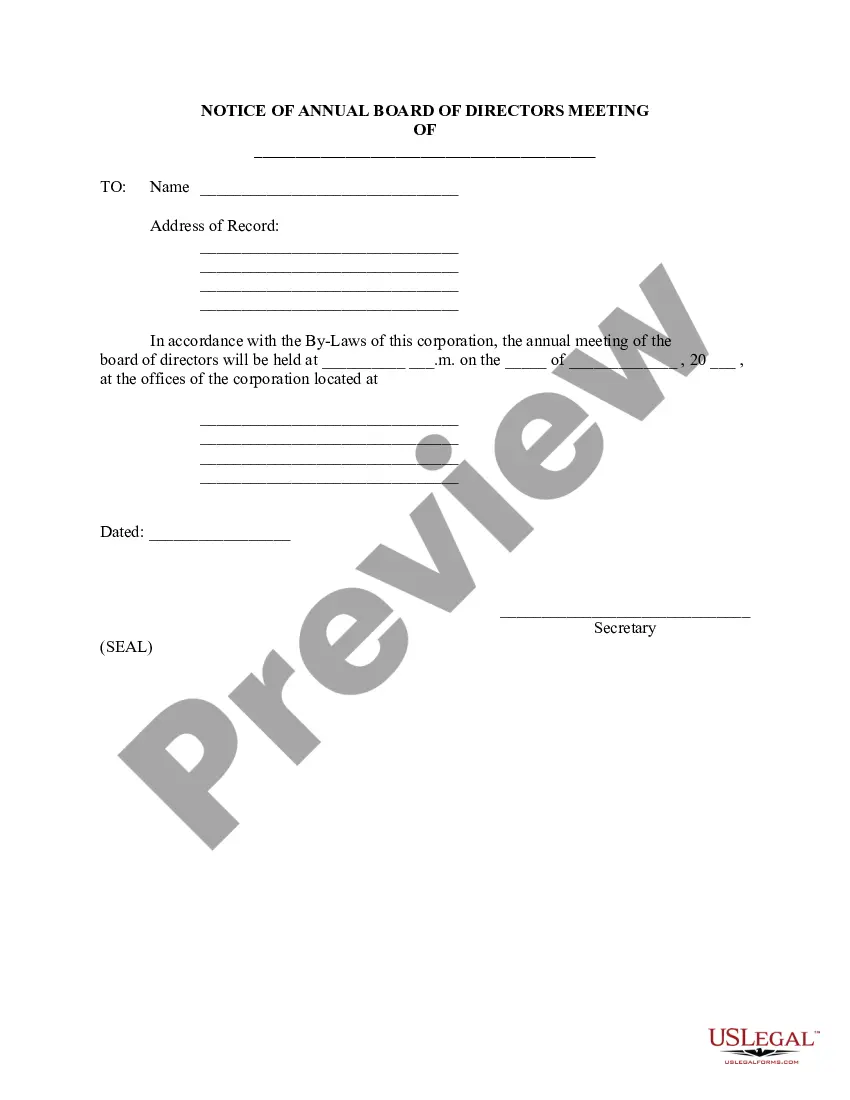


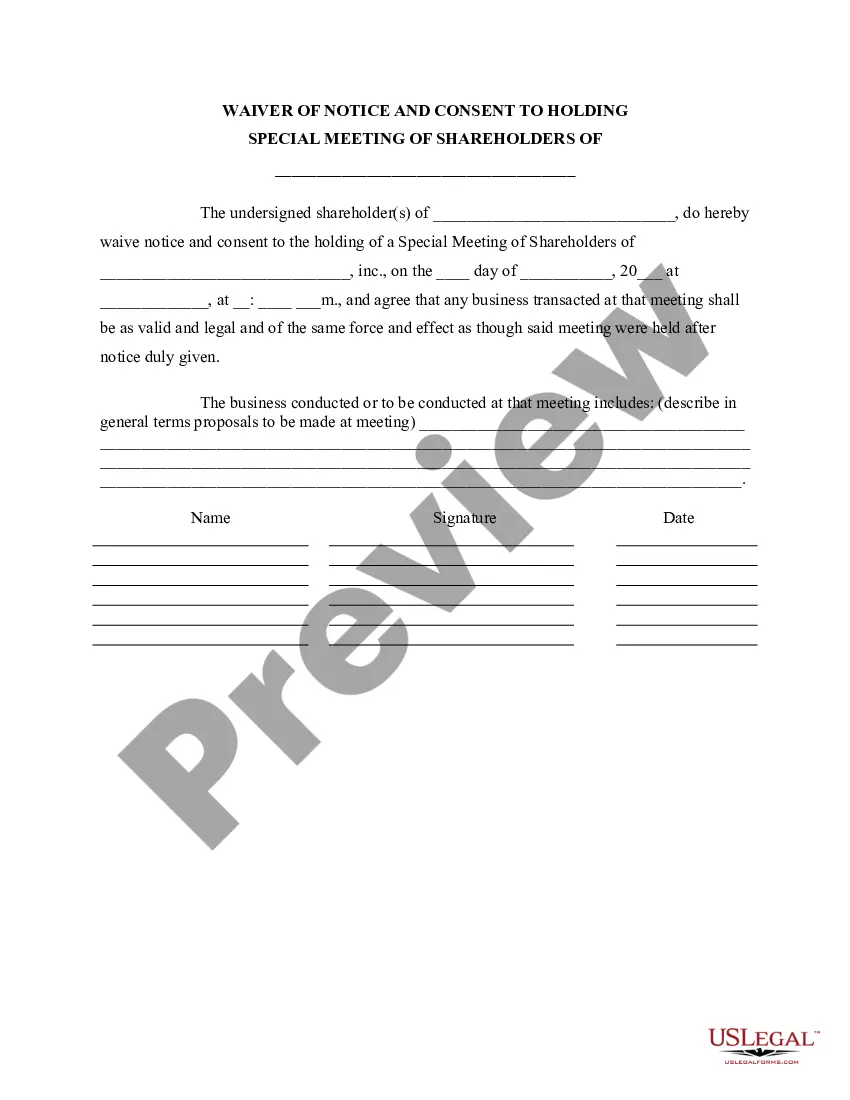
Get your form ready online
Our built-in tools help you complete, sign, share, and store your documents in one place.
Make edits, fill in missing information, and update formatting in US Legal Forms—just like you would in MS Word.
Download a copy, print it, send it by email, or mail it via USPS—whatever works best for your next step.
Sign and collect signatures with our SignNow integration. Send to multiple recipients, set reminders, and more. Go Premium to unlock E-Sign.
If this form requires notarization, complete it online through a secure video call—no need to meet a notary in person or wait for an appointment.
We protect your documents and personal data by following strict security and privacy standards.

Make edits, fill in missing information, and update formatting in US Legal Forms—just like you would in MS Word.

Download a copy, print it, send it by email, or mail it via USPS—whatever works best for your next step.

Sign and collect signatures with our SignNow integration. Send to multiple recipients, set reminders, and more. Go Premium to unlock E-Sign.

If this form requires notarization, complete it online through a secure video call—no need to meet a notary in person or wait for an appointment.

We protect your documents and personal data by following strict security and privacy standards.
Looking for another form?



Form popularity
FAQ
Most board meeting agendas follow a classic meeting structure: Calling meeting to order – ensure you have quorum. Approve the agenda and prior board meeting minutes. Executive and committee reports – allow 25% of time here for key topic discussion. Old/new/other business. Close the meeting and adjourn.
First off, the federal law requires that all nonprofits have a board of directors with at least three members. The individuals on this committee should have the experience to help you work toward your nonprofit's vision statement. You can set up your board in different ways based on your goals.
All nonprofit organizations need a board. Although the specific responsibilities may vary due to mission focus and different phases of an organization's existence, the basic role and purpose of all nonprofit boards remain the same.
profit looking for a better way to schedule board meetings needs to keep in mind only 3 simple steps. Work within a date range that works for the organization's calendar. Work within days/times that works for board members' calendars. Make the final decision quickly and stick with it.
All nonprofits need a board of directors for a variety of reasons. The first is that it is required by the IRS for all nonprofits to have a minimum of three board members who meet at least once per year.
North Carolina law gives you the right to make sound and video recordings of public meetings (i.e., meetings of a governmental body required to be open to the public by law).
Consider creating a project or program within another organization rather than spending your time and energy establishing a new organization. Board of Directors. North Carolina law requires only one board member, but best practices recommend that you have at least five; a minimum of seven is preferable.
While nonprofit boards typically range anywhere from three to fifty members, there are a handful of roles and positions that are almost always assigned to different members of the board.
The chair owns the agenda Who prepares the first draft? Usually the company secretary, the CEO or the board secretary. This then needs to be approved or amended by the chair. The agenda and the board papers need to be sent to all directors at least 5 days plus a weekend, prior to the board meeting.
The following steps to running a board meeting are: Recognizing a quorum. Calling the meeting to order. Approving the agenda and minutes. Allowing for communication and reports. Addressing old/new/other business. Closing the meeting.

