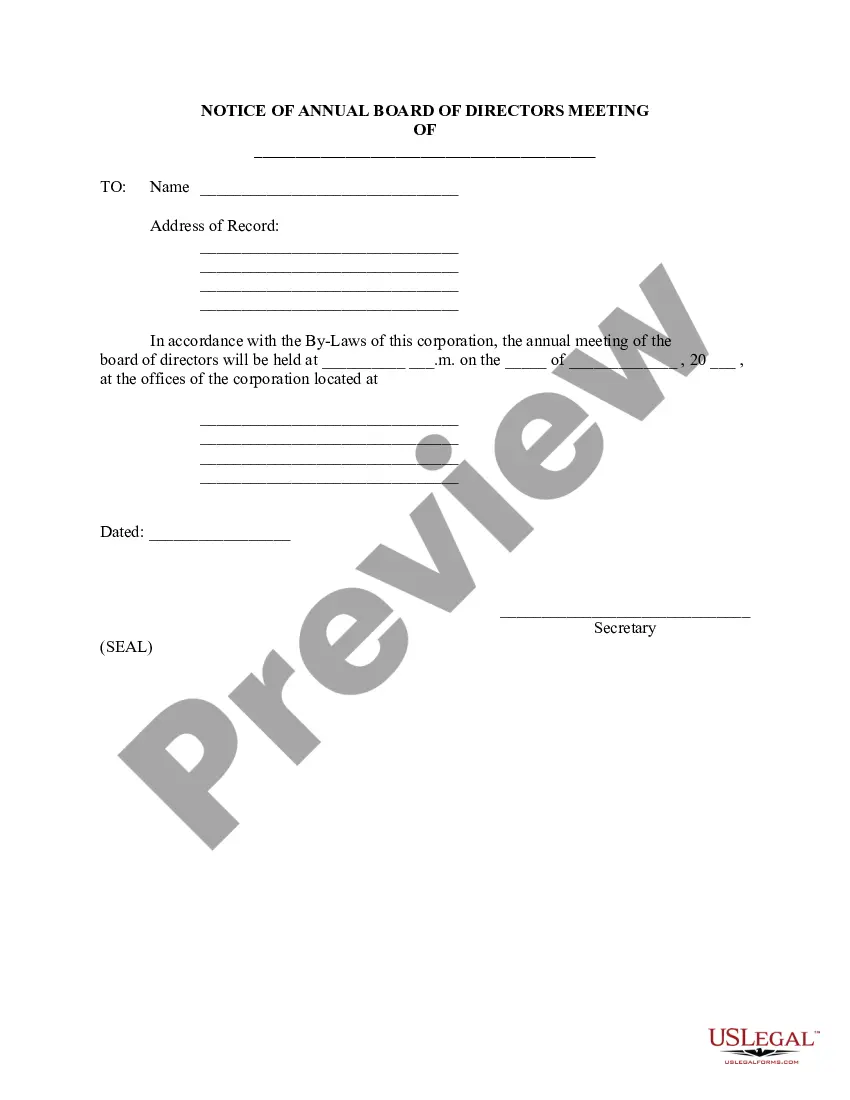
Meeting Do Board For School In Illinois
Description



Get your form ready online
Our built-in tools help you complete, sign, share, and store your documents in one place.
Make edits, fill in missing information, and update formatting in US Legal Forms—just like you would in MS Word.
Download a copy, print it, send it by email, or mail it via USPS—whatever works best for your next step.
Sign and collect signatures with our SignNow integration. Send to multiple recipients, set reminders, and more. Go Premium to unlock E-Sign.
If this form requires notarization, complete it online through a secure video call—no need to meet a notary in person or wait for an appointment.
We protect your documents and personal data by following strict security and privacy standards.

Make edits, fill in missing information, and update formatting in US Legal Forms—just like you would in MS Word.

Download a copy, print it, send it by email, or mail it via USPS—whatever works best for your next step.

Sign and collect signatures with our SignNow integration. Send to multiple recipients, set reminders, and more. Go Premium to unlock E-Sign.

If this form requires notarization, complete it online through a secure video call—no need to meet a notary in person or wait for an appointment.

We protect your documents and personal data by following strict security and privacy standards.
Looking for another form?




Form popularity
FAQ
Board meeting etiquette don'ts Don't – Make your agenda unrealistic. Don't – Be late. Don't – Interrupt others. Don't – Put others down. Don't – Use your smartphone. Don't – Inundate your board with several different pre-meeting emails. Don't – Allow side conversations. Don't – Read committee reports out loud.
The chair owns the agenda Who prepares the first draft? Usually the company secretary, the CEO or the board secretary. This then needs to be approved or amended by the chair. The agenda and the board papers need to be sent to all directors at least 5 days plus a weekend, prior to the board meeting.
Board Meeting Etiquette Tips Take time to prepare and understand the meeting's purpose. Stick to the set board meeting agenda. Be open to feedback. Review post-meeting minutes. Respect the confidentiality of board meetings. Actively contribute and participate.
profit looking for a better way to schedule board meetings needs to keep in mind only 3 simple steps. Work within a date range that works for the organization's calendar. Work within days/times that works for board members' calendars. Make the final decision quickly and stick with it.
Submit your signed complaint form to ISBE. You must also send a copy of the complaint to the school district you are filing against. Include supporting documentation with the complaint. If your child is over 18, you must attach a letter from the child saying that you can act on their behalf.
Find the link to the school board website. If you can't find it, put the name of your school district and “school board” in a search engine. The calendar should always be on the school district's website. At the school board website, look for “Citizen Participation” or a similar option.
A quorum must be present for business to be conducted • All members have equal rights, privileges and obligations • No person should speak until recognized by the chair • Personal remarks or side discussions during debate are out of order • Only one question at a time may be considered, and only one person may have the ...
The following steps to running a board meeting are: Recognizing a quorum. Calling the meeting to order. Approving the agenda and minutes. Allowing for communication and reports. Addressing old/new/other business. Closing the meeting.
Ing to 5 ILCS 120/Open Meetings Act, it is the public policy of Illinois that public bodies exist to aid in the conduct of the people's business and that the people have a right to be informed as to the conduct of their business.

