Meeting Board Template For Outlook In Illinois
Description
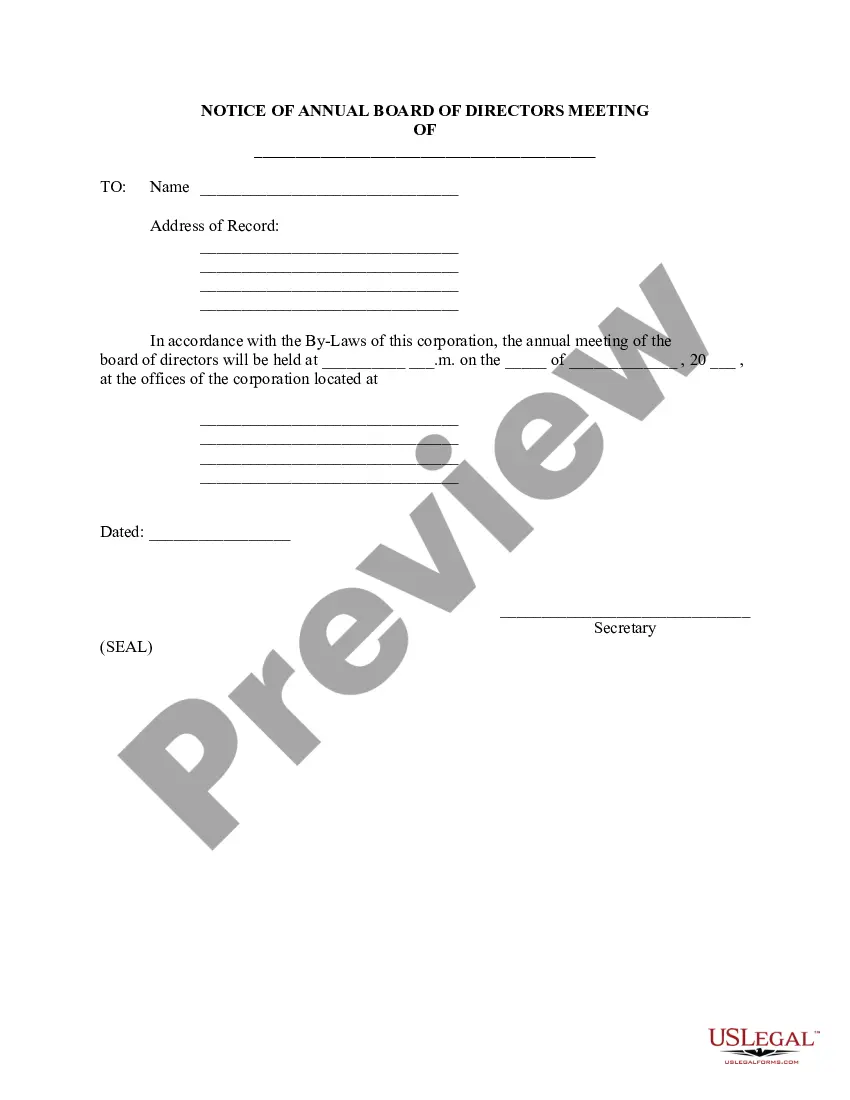



Get your form ready online
Our built-in tools help you complete, sign, share, and store your documents in one place.
Make edits, fill in missing information, and update formatting in US Legal Forms—just like you would in MS Word.
Download a copy, print it, send it by email, or mail it via USPS—whatever works best for your next step.
Sign and collect signatures with our SignNow integration. Send to multiple recipients, set reminders, and more. Go Premium to unlock E-Sign.
If this form requires notarization, complete it online through a secure video call—no need to meet a notary in person or wait for an appointment.
We protect your documents and personal data by following strict security and privacy standards.

Make edits, fill in missing information, and update formatting in US Legal Forms—just like you would in MS Word.

Download a copy, print it, send it by email, or mail it via USPS—whatever works best for your next step.

Sign and collect signatures with our SignNow integration. Send to multiple recipients, set reminders, and more. Go Premium to unlock E-Sign.

If this form requires notarization, complete it online through a secure video call—no need to meet a notary in person or wait for an appointment.

We protect your documents and personal data by following strict security and privacy standards.
Looking for another form?




Form popularity
FAQ
If you want to add an agenda to an already scheduled meeting, you can't do that currently in the Outlook calendar. However, you can do that in Microsoft Teams.
Start notes before a meeting Go to your Teams calendar. Select + New meeting to schedule a meeting. In Details, select Add an agenda . Add an agenda, notes, or tasks. Select Send. Participants will receive an event invitation with the meeting notes attached.
If the proposed changes are not included in the preliminary agenda, those changes can be added during the meeting. Remember that the agenda is only preliminary until approved by the governing body.
How to write a meeting agenda Define the meeting's primary goal. Ask for input. Choose topics that affect the entire team. List the questions to be answered. Define each agenda item's purpose. Allocate a realistic time to spend on each agenda item. Determine who leads each agenda item.
Add an agenda Open the meeting container from the workstream or the meeting list. Click on “NEW ITEM” in the highlighted blue box in the right column. Fill in the blanks in the lightbox.
How do you prepare a meeting schedule? Identify the meeting's goals. List your meeting's topics as tasks or questions. Estimate realistic times for each item included in your meeting schedule template. Identify discussion leaders. Make a timeline.
Step-by-Step Guide to Creating a Meeting Template Open Outlook and select the Home tab. STEP 1: In the Quick Steps box, click Create New. STEP 2: Name your template for future reference in the Edit Quick Step dialog box. STEP 3: Choose New Meeting from the Choose an Action drop-down under the Appointment section.
The agenda should include the meeting's goal, a list of topics to be discussed with their purposes, time allocations, and assigned facilitators. This structure provides a clear roadmap for the meeting, ensuring that all important points are covered. Share the agenda with all participants well in advance of the meeting.
What to include in your template. Logistics: Include the date, time, location, and list of attendees. A call to order: This signals the official start of the meeting. Approval of minutes: Review and approve the minutes from your last meeting. Old business: Close the loop on any unresolved issues from previous meetings.
In your Outlook ribbon, select "Open Templates." On the page that opens, find and click the Template you'd like to update, and then select the "Edit" button at the bottom of the window. Make necessary changes and hit "Save Template." To delete a no longer needed Template, click "More," and then "Delete Template."

