Board Meeting Make A Motion In Collin
Description
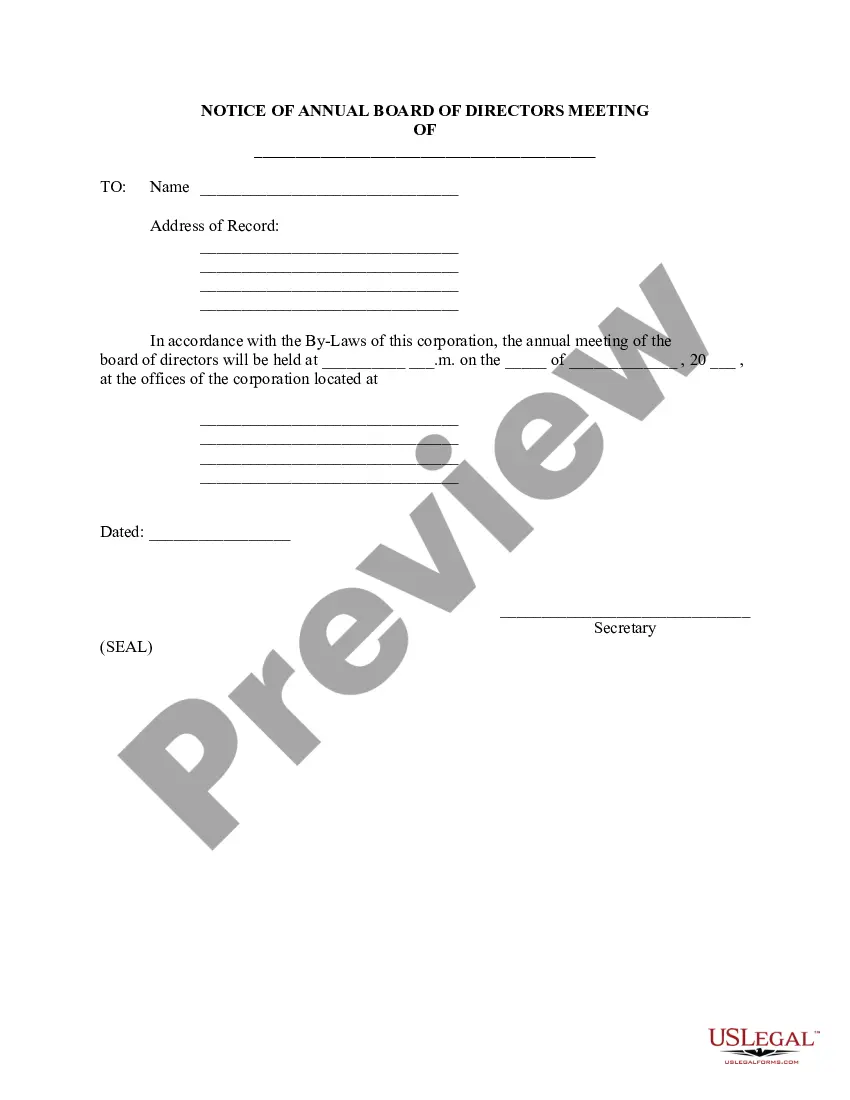



Get your form ready online
Our built-in tools help you complete, sign, share, and store your documents in one place.
Make edits, fill in missing information, and update formatting in US Legal Forms—just like you would in MS Word.
Download a copy, print it, send it by email, or mail it via USPS—whatever works best for your next step.
Sign and collect signatures with our SignNow integration. Send to multiple recipients, set reminders, and more. Go Premium to unlock E-Sign.
If this form requires notarization, complete it online through a secure video call—no need to meet a notary in person or wait for an appointment.
We protect your documents and personal data by following strict security and privacy standards.

Make edits, fill in missing information, and update formatting in US Legal Forms—just like you would in MS Word.

Download a copy, print it, send it by email, or mail it via USPS—whatever works best for your next step.

Sign and collect signatures with our SignNow integration. Send to multiple recipients, set reminders, and more. Go Premium to unlock E-Sign.

If this form requires notarization, complete it online through a secure video call—no need to meet a notary in person or wait for an appointment.

We protect your documents and personal data by following strict security and privacy standards.
Looking for another form?

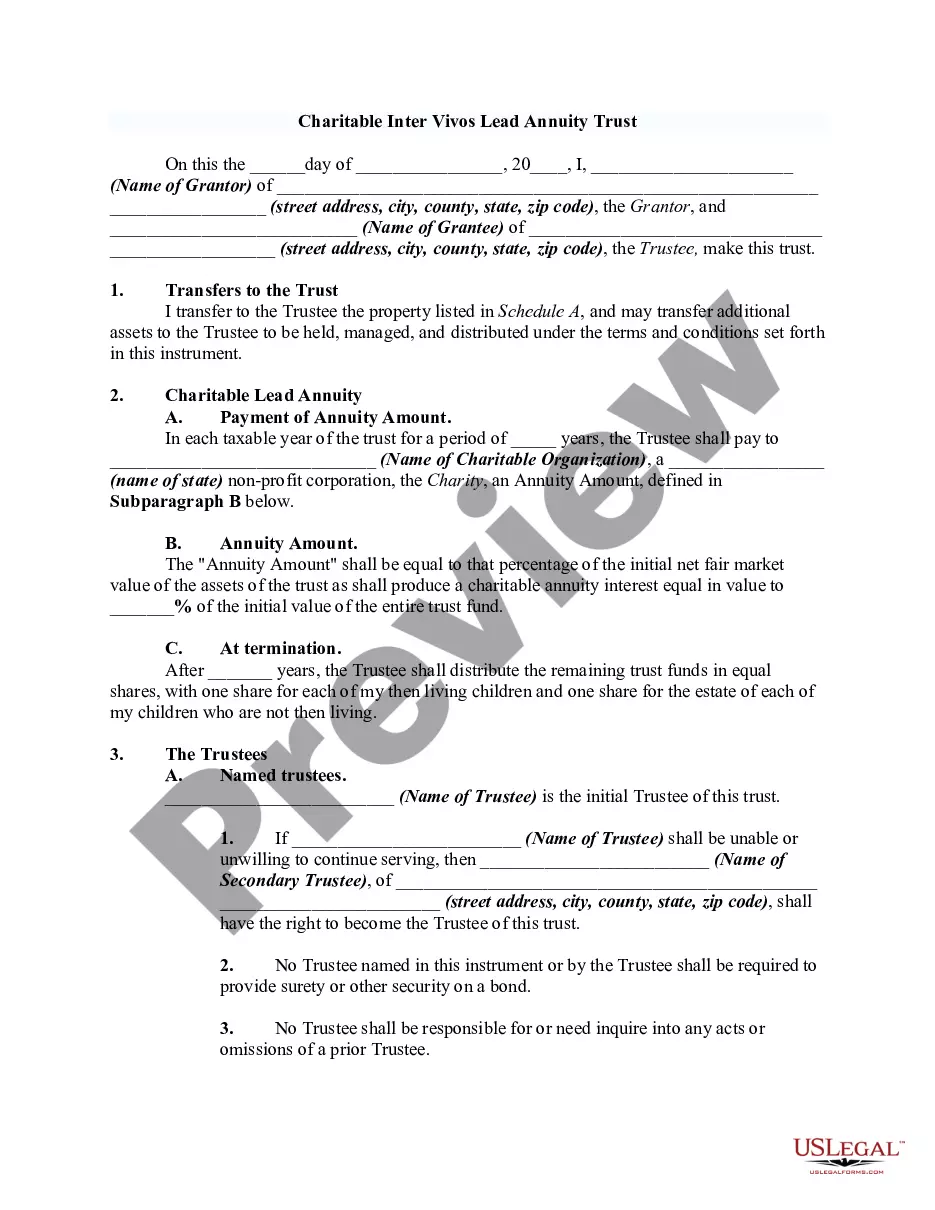








Form popularity
FAQ
The Chair has the same right to make or second a motion or to debate as the other Board Members. The role of presiding officer need not be assigned to another Board Member while the Chair exercises these rights.
Robert's Rules of Order provides for four general types of motions: main motions, subsidiary motions, incidental motions, and renewal motions. The most important are main motions, which bring before the organization, for its action, any particular subject.
Filing Motions To Resolve The Case Or Narrow Issues You write your motion. You file your motion with the court clerk. The court clerk inserts the date and time your motion will be heard by the judge. You “serve” (mail) your motion to the other side. The other side files a written opposition to your motion with the court.
Steps Check if the court has blank motion forms. Some courts have "check the boxes" or "fill in the blank" motion forms. Create your caption. Title your motion. Draft the introductory paragraph to the body of the motion. Request relief. Lay out the applicable facts. Make your legal argument. Insert a signature block.
How to Make a Motion During a Board Meeting Recognition. The first step is to be recognized. State the Motion. Next, state your motion clearly and concisely. Second the Motion. In order for your motion to move forward, someone else will need to second the motion. Debate and Discuss. Vote.
A motion is a request for relief from the court. Some typical examples include a motion for permission to file a late claim, a motion that a claim or a defense be dismissed, or a motion requiring the opposing party to disclose information relevant to the claim.
If you want to file a motion, the process is generally something like this: You write your motion. You file your motion with the court clerk. The court clerk inserts the date and time your motion will be heard by the judge. You “serve” (mail) your motion to the other side.
To make a motion, you must first be recognized and given the floor by the meeting chairperson or presiding officer. Once you have the floor, state the motion as “I move (state your motion here).”
To introduce a motion, say “I move that …” followed by a statement of the proposal. The motion is not discussed until it has been seconded by someone and stated in full by the chair.

