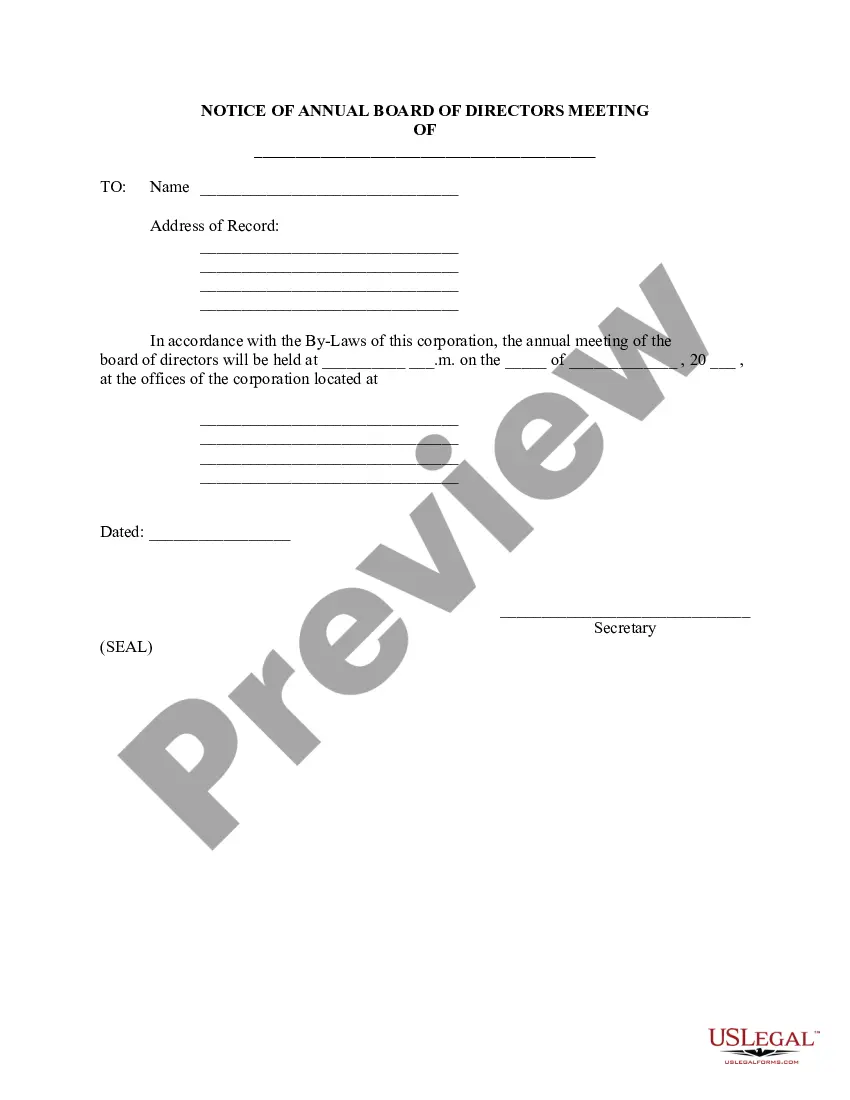
Meeting Board Template With Lines In Bronx
Description



Get your form ready online
Our built-in tools help you complete, sign, share, and store your documents in one place.
Make edits, fill in missing information, and update formatting in US Legal Forms—just like you would in MS Word.
Download a copy, print it, send it by email, or mail it via USPS—whatever works best for your next step.
Sign and collect signatures with our SignNow integration. Send to multiple recipients, set reminders, and more. Go Premium to unlock E-Sign.
If this form requires notarization, complete it online through a secure video call—no need to meet a notary in person or wait for an appointment.
We protect your documents and personal data by following strict security and privacy standards.

Make edits, fill in missing information, and update formatting in US Legal Forms—just like you would in MS Word.

Download a copy, print it, send it by email, or mail it via USPS—whatever works best for your next step.

Sign and collect signatures with our SignNow integration. Send to multiple recipients, set reminders, and more. Go Premium to unlock E-Sign.

If this form requires notarization, complete it online through a secure video call—no need to meet a notary in person or wait for an appointment.

We protect your documents and personal data by following strict security and privacy standards.
Looking for another form?
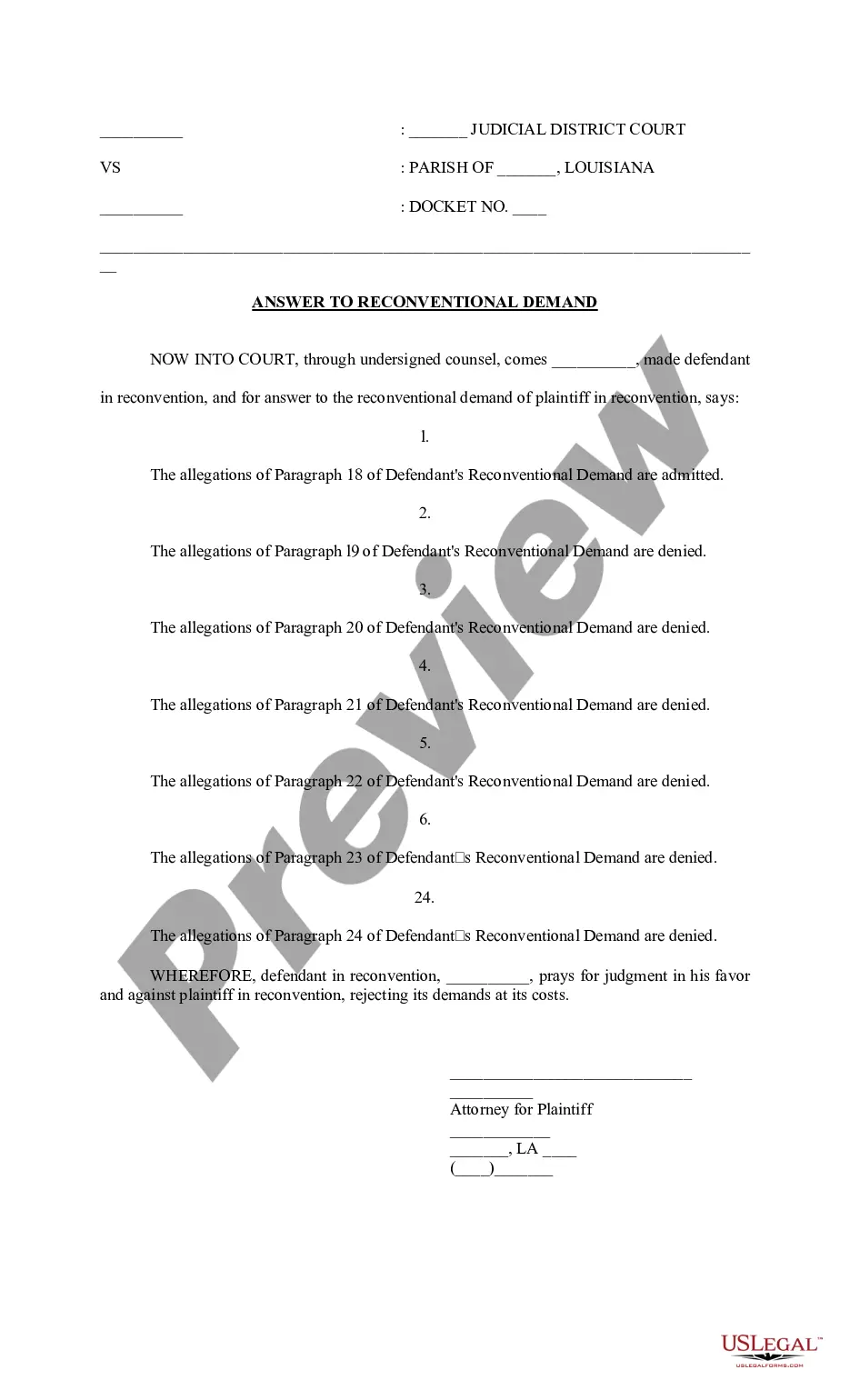








Form popularity
FAQ
How to Build an Effective Meeting Structure Define Clear Objectives: Determine the specific purpose of the meeting. Develop an Agenda. Prioritize Agenda Items. Assign Roles and Responsibilities. Invite the Right Participants. Communicate the Purpose. Stick to the Schedule. Foster Active Participation:
How to write a meeting agenda in 5 steps Define the meeting's objective. Determine who needs to attend. Gather input from team members. Prioritize agenda items. Assign clear roles and responsibilities.
1 Call to order. A board meeting agenda should begin with a call to order, welcoming remarks, and the gathering's objectives. 2 Agenda adjustments. 3 Approval of previous meeting's minutes. 4 Reports. 5 Old business. 6 New business. 7 Comments and announcements. 8 Adjournment.
How to write a meeting agenda Clarify meeting objectives. The first step in writing a meeting agenda is to clearly define any goals. Invite participant input. Outline key questions for discussion. Define each task's purpose. Allocate time for agenda items. Assign topic facilitators. Write the meeting agenda.
What to include in your template. Logistics: Include the date, time, location, and list of attendees. A call to order: This signals the official start of the meeting. Approval of minutes: Review and approve the minutes from your last meeting. Old business: Close the loop on any unresolved issues from previous meetings.
What to include in a meeting agenda Clarify and define goals. Ask participants for input. List key questions for discussion. Identify the purpose of each task. Allocate time to spend on each agenda item. Identify who leads each topic. End each meeting with a review.
How to schedule a meeting by email Start with a clear subject line. Choose a greeting. Introduce yourself. Explain the purpose of the meeting. Propose a date and time (but be flexible) ... Request a confirmation. Tell participants how they reach you if necessary. Send a reminder.
Board meeting agenda format example Call to order & roll call: A brief welcome and confirmation of quorum. Approval of previous meeting minutes: Review and approve the minutes from the last meeting. Reports: Financial reports, committee updates, and presentations from the executive director.
The format for a meeting depends on the meeting type and style. While there is no set format for meeting minutes, templates provide guidelines for essential information that should be included in your documentation.

