Time Extension In Malay In Suffolk
Description
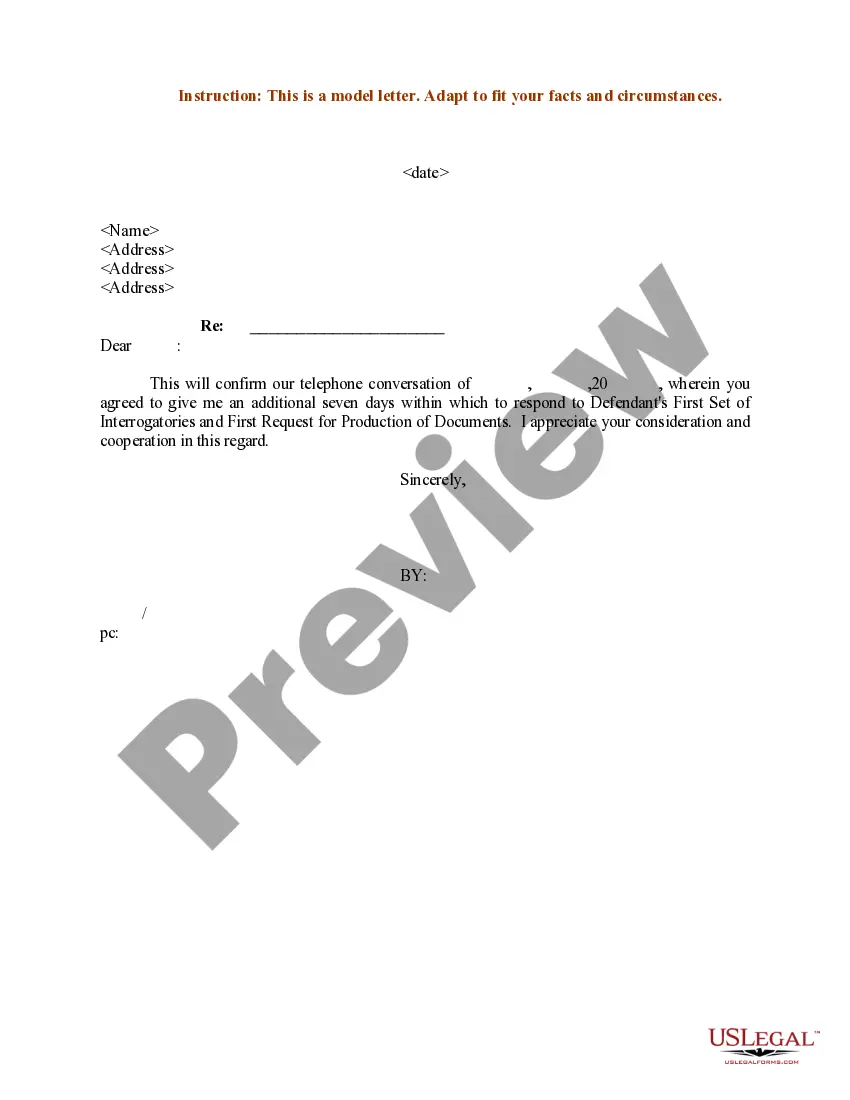
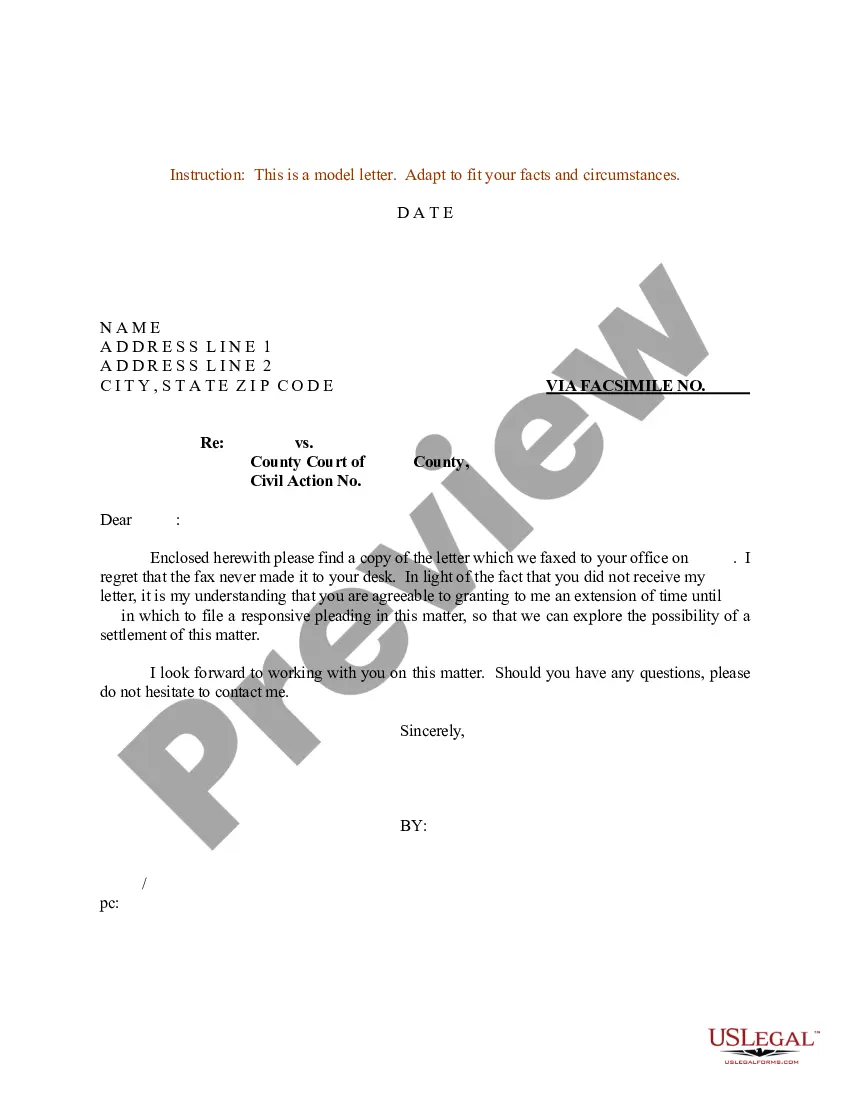


Get your form ready online
Our built-in tools help you complete, sign, share, and store your documents in one place.
Make edits, fill in missing information, and update formatting in US Legal Forms—just like you would in MS Word.
Download a copy, print it, send it by email, or mail it via USPS—whatever works best for your next step.
Sign and collect signatures with our SignNow integration. Send to multiple recipients, set reminders, and more. Go Premium to unlock E-Sign.
If this form requires notarization, complete it online through a secure video call—no need to meet a notary in person or wait for an appointment.
We protect your documents and personal data by following strict security and privacy standards.

Make edits, fill in missing information, and update formatting in US Legal Forms—just like you would in MS Word.

Download a copy, print it, send it by email, or mail it via USPS—whatever works best for your next step.

Sign and collect signatures with our SignNow integration. Send to multiple recipients, set reminders, and more. Go Premium to unlock E-Sign.

If this form requires notarization, complete it online through a secure video call—no need to meet a notary in person or wait for an appointment.

We protect your documents and personal data by following strict security and privacy standards.
Looking for another form?







Form popularity
FAQ
If you move out prior to the eviction hearing date, then your landlord will not be able to obtain an eviction order against you and you will not have one on your record. Typically, the landlord will withdraw the petition for eviction if the tenant moves out before the hearing.
Bring the notice and any other papers that you have received from your landlord, including any rent receipts, to the court. To find out where to go in your county to try to stop or delay your eviction, refer to Locations. At the courthouse you will fill out an affidavit in support of an Order to Show Cause.
Under the new Good Cause Eviction law, New Yorkers have the right to continue living in their homes without fear of unreasonable eviction or extreme rent increases. In many situations, tenants of market rate housing will now be covered by more expansive protections. Read below for details.
The Judge may sign your order to show cause and stop the eviction until the case can be heard. In some situations, the judge may sign the order but not stop the eviction.
New York Eviction Process Timeline Notice Received by TenantsAverage Timeline Initial Notice Period 14-90 days Issuance and Posting of Summons and Complaint AND Court Hearing and Ruling on the Eviction 10-17 days Posting of Writ of Execution A few hours to a few days Return of Possession 10 days to 1 year1 more row •
If you receive such a notice you should immediately contact the Housing Court to stop the eviction. You can find the contact information for the Court here. You should take the notice you received to the Court and file an “Order to Show Cause,” which is a request to a Housing Court Judge to stop your eviction.
If you receive such a notice you should immediately contact the Housing Court to stop the eviction. You can find the contact information for the Court here. You should take the notice you received to the Court and file an “Order to Show Cause,” which is a request to a Housing Court Judge to stop your eviction.

