Pleading For Help Dmz In California
Description
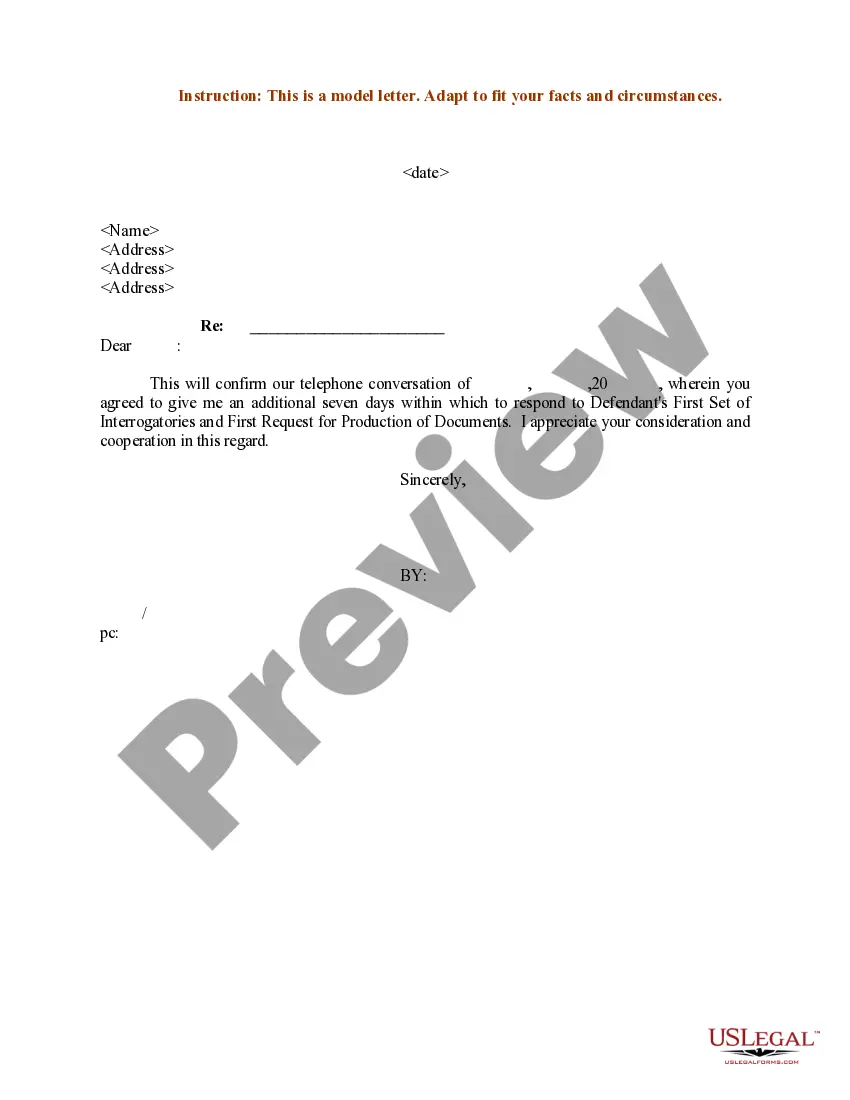
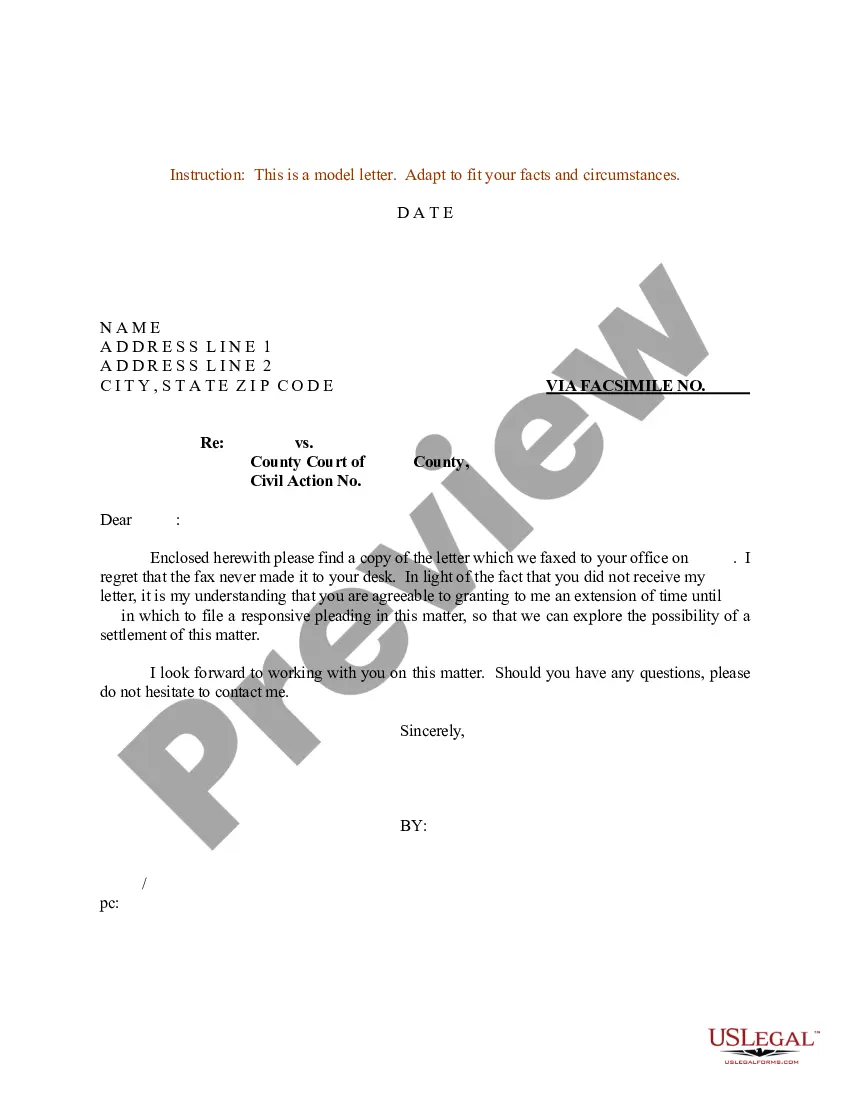
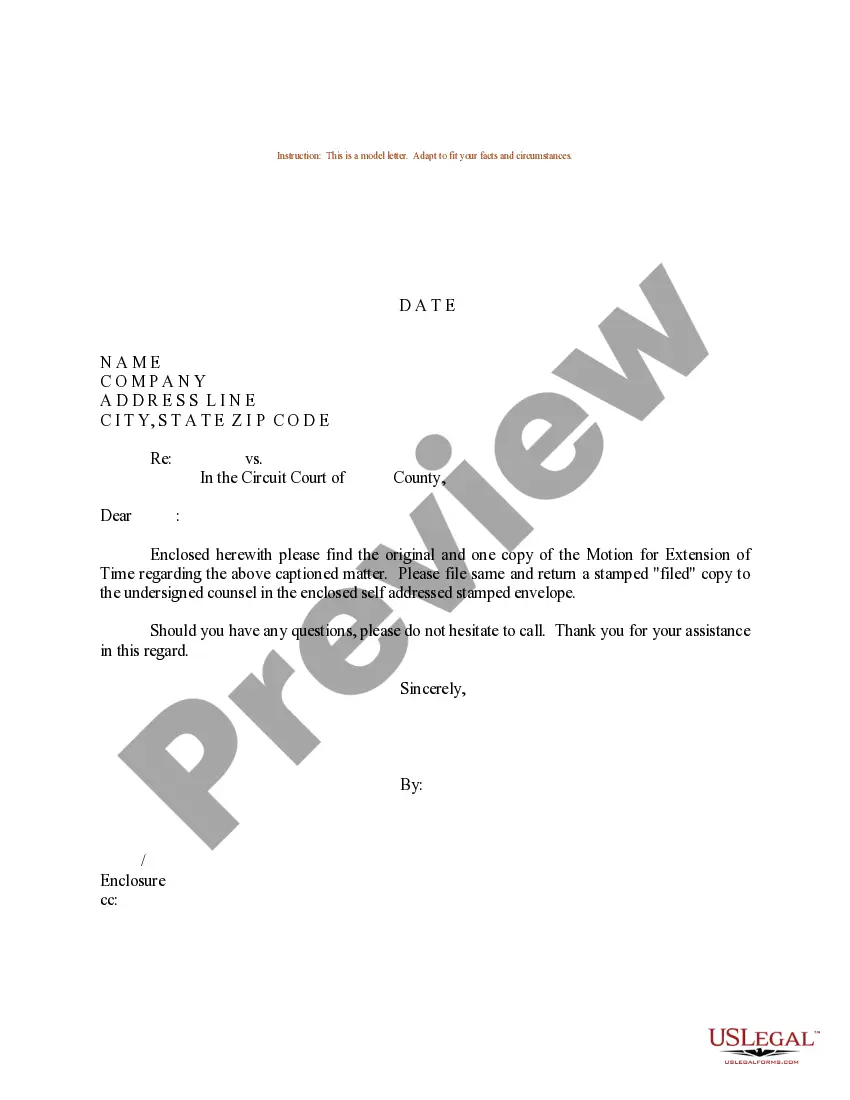

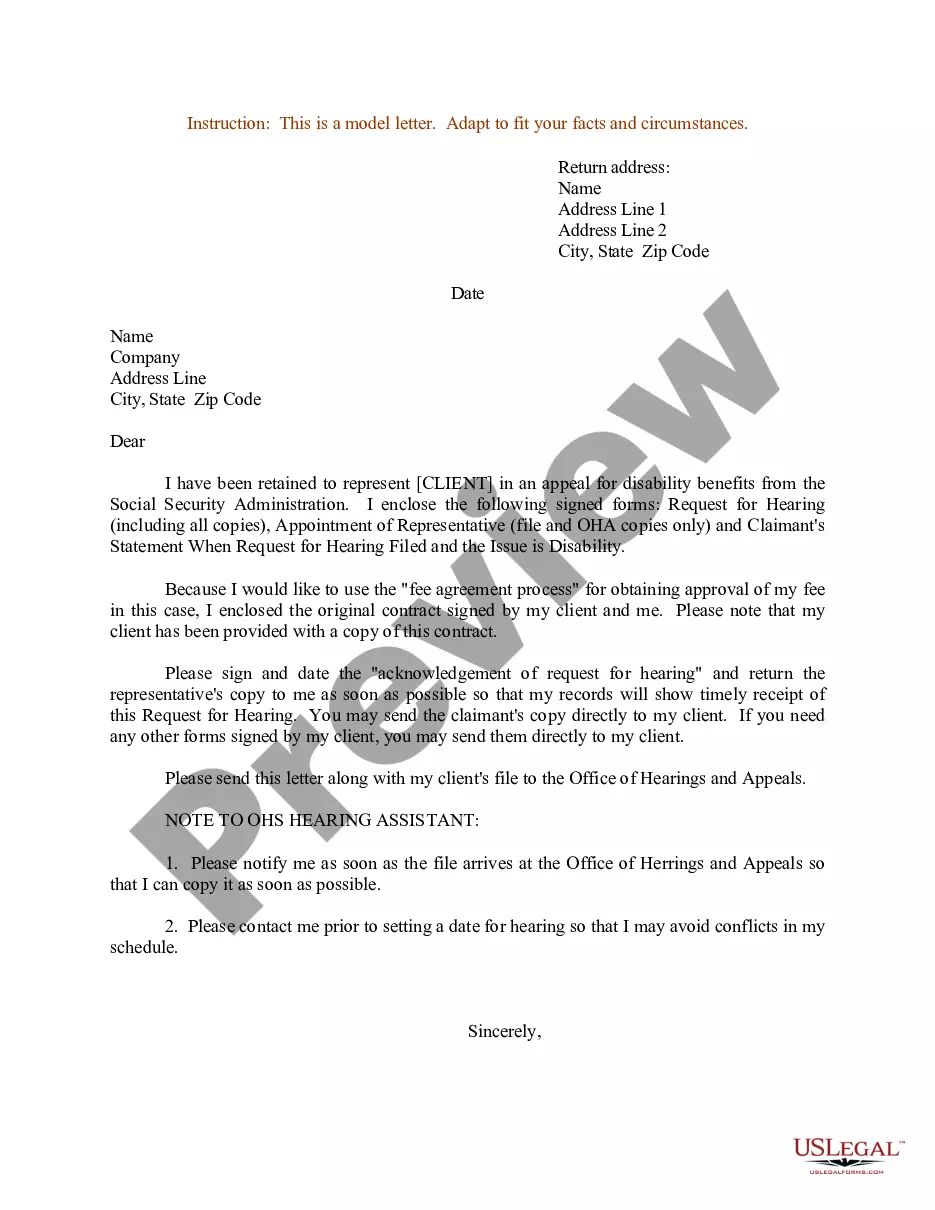
Get your form ready online
Our built-in tools help you complete, sign, share, and store your documents in one place.
Make edits, fill in missing information, and update formatting in US Legal Forms—just like you would in MS Word.
Download a copy, print it, send it by email, or mail it via USPS—whatever works best for your next step.
Sign and collect signatures with our SignNow integration. Send to multiple recipients, set reminders, and more. Go Premium to unlock E-Sign.
If this form requires notarization, complete it online through a secure video call—no need to meet a notary in person or wait for an appointment.
We protect your documents and personal data by following strict security and privacy standards.

Make edits, fill in missing information, and update formatting in US Legal Forms—just like you would in MS Word.

Download a copy, print it, send it by email, or mail it via USPS—whatever works best for your next step.

Sign and collect signatures with our SignNow integration. Send to multiple recipients, set reminders, and more. Go Premium to unlock E-Sign.

If this form requires notarization, complete it online through a secure video call—no need to meet a notary in person or wait for an appointment.

We protect your documents and personal data by following strict security and privacy standards.
Looking for another form?






Form popularity
FAQ
Pleadings must be written formally ing to the rules of civil procedure and are generally classified as complaints and answers. Pleadings can be filed at any time during a court proceeding, but they are usually filed early in the trial process (usually pre-trial, or before the case is heard by the judge in court).
Here's a summary and explanation of its main provisions: Caption Requirement. Names of Parties. Paragraphs; Separate Statements. Adoption by Reference; Exhibits. Format Requirements.
(d) Timing of responsive pleadings The parties may stipulate without leave of court to one 15-day extension beyond the 30-day time period prescribed for the response after service of the initial complaint.
Answer: The three main types of pleadings in a legal case are the complaint, the answer, and the reply. The complaint initiates the lawsuit, outlining the plaintiff's allegations; the answer responds to these allegations, often including any defenses; and the reply addresses any counterclaims raised in the answer.
A pleading must be in writing and must be signed by all persons joining in it. All pleadings filed in proceedings under the Probate Code must be verified. If two or more persons join in a pleading, it may be verified by any of them.

