Tax Letter For Donations For Medical Expenses In Wayne
Description



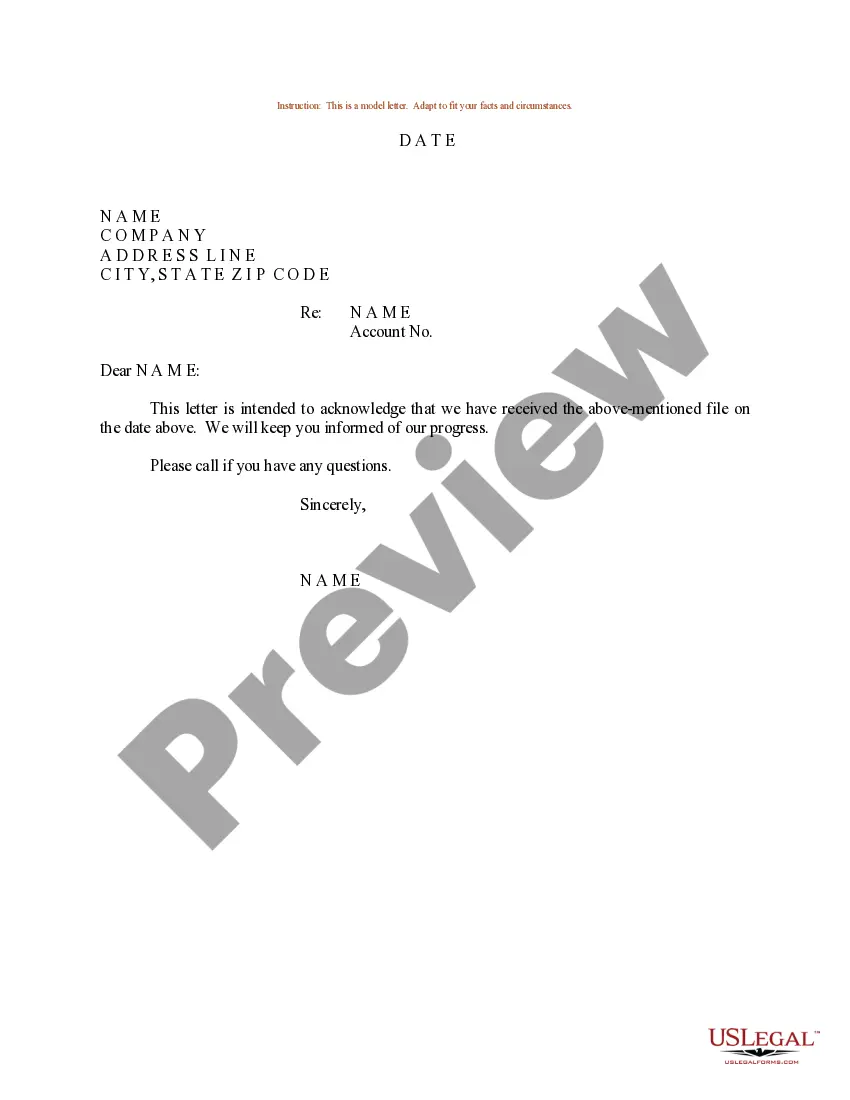
Get your form ready online
Our built-in tools help you complete, sign, share, and store your documents in one place.
Make edits, fill in missing information, and update formatting in US Legal Forms—just like you would in MS Word.
Download a copy, print it, send it by email, or mail it via USPS—whatever works best for your next step.
Sign and collect signatures with our SignNow integration. Send to multiple recipients, set reminders, and more. Go Premium to unlock E-Sign.
If this form requires notarization, complete it online through a secure video call—no need to meet a notary in person or wait for an appointment.
We protect your documents and personal data by following strict security and privacy standards.

Make edits, fill in missing information, and update formatting in US Legal Forms—just like you would in MS Word.

Download a copy, print it, send it by email, or mail it via USPS—whatever works best for your next step.

Sign and collect signatures with our SignNow integration. Send to multiple recipients, set reminders, and more. Go Premium to unlock E-Sign.

If this form requires notarization, complete it online through a secure video call—no need to meet a notary in person or wait for an appointment.

We protect your documents and personal data by following strict security and privacy standards.
Looking for another form?
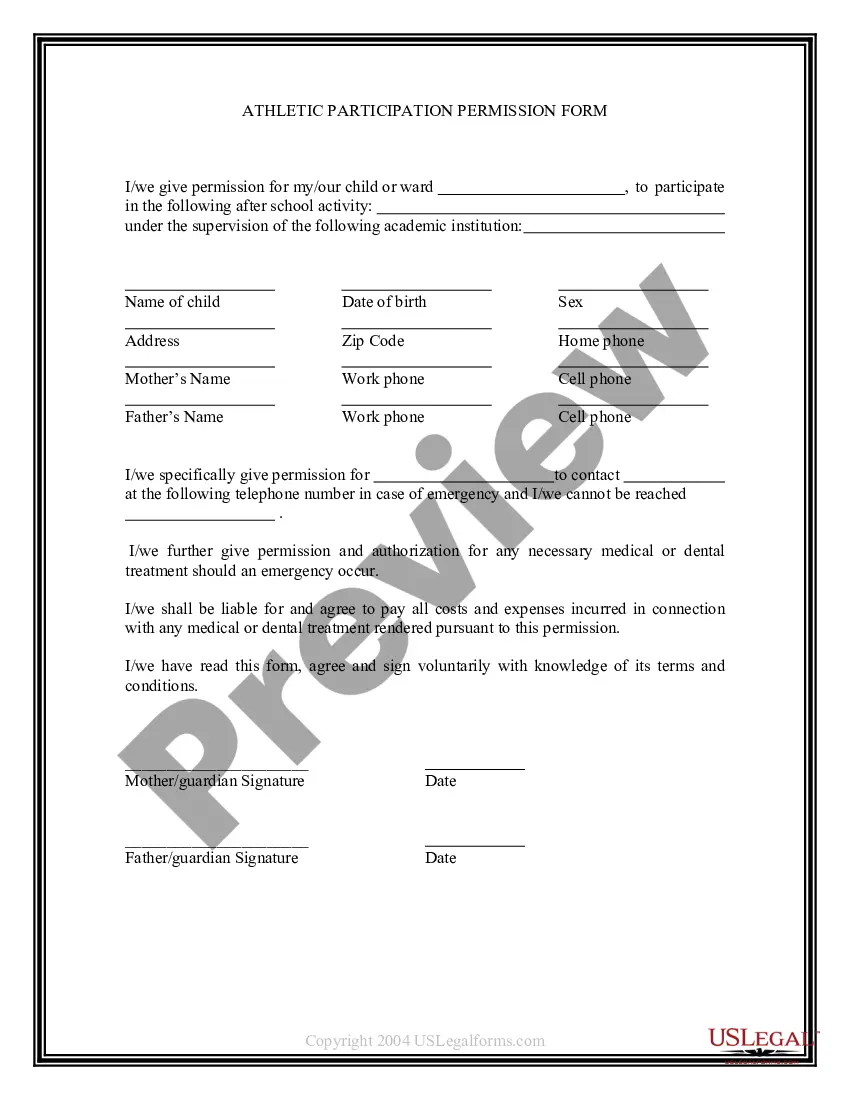



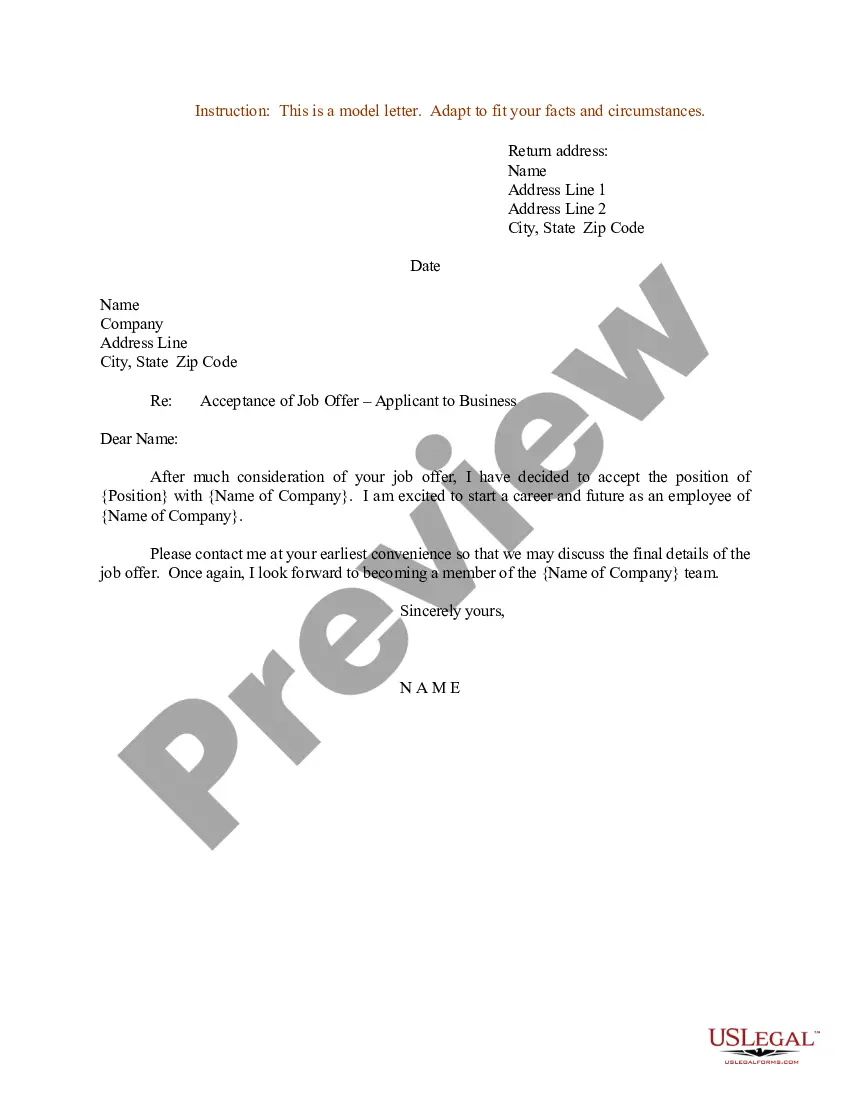

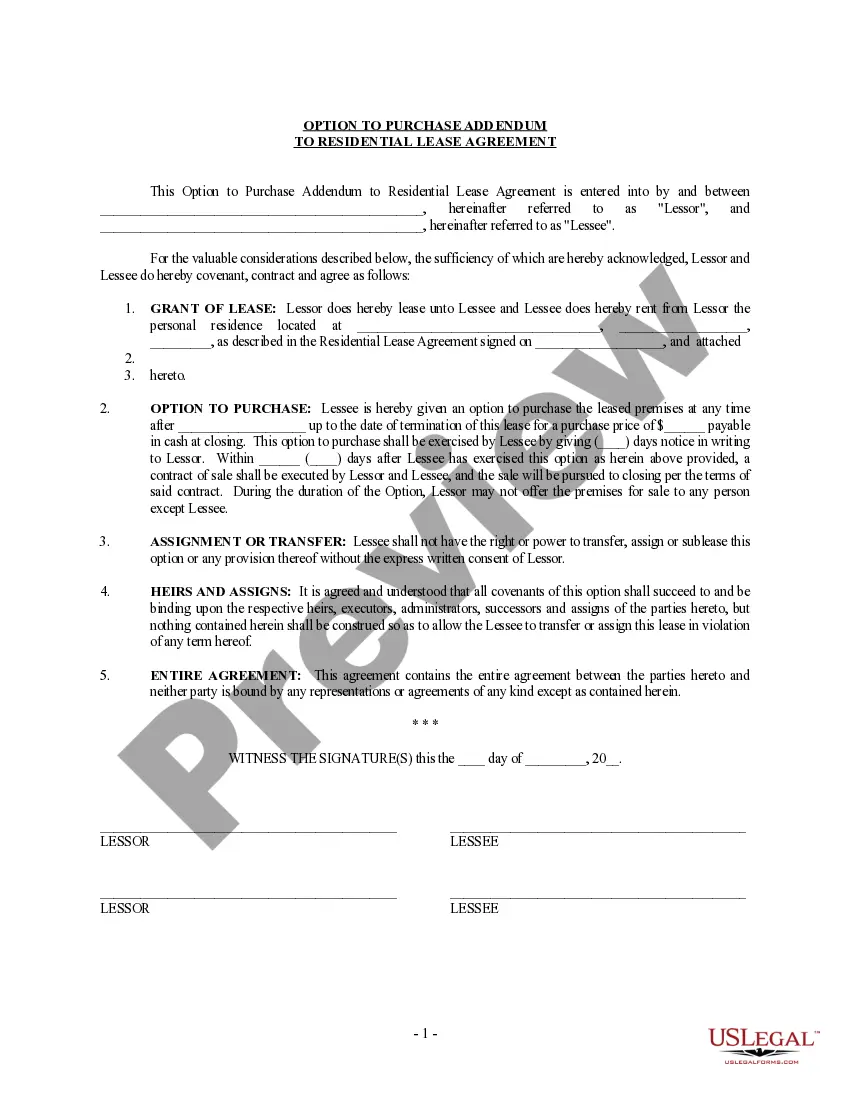
Form popularity
FAQ
You should also keep a statement or itemized invoice showing: What medical care was received. Who received the care. The nature and purpose of any medical expenses. The amount of the other medical expenses.
written letter should include: A salutation. Your mission. Details about the treatment, illness, or condition. Your request. A call to action. Your contact info.
You can deduct on Schedule A (Form 1040) only the part of your medical and dental expenses that is more than 7.5% of your adjusted gross income (AGI). This publication also explains how to treat impairment-related work expenses and health insurance premiums if you are self-employed.
If you or your dependents have been in the hospital or had other costly medical or dental expenses, keep those receipts — they could help cut your tax bill.
You are not required to send the IRS information forms or other proof of health care coverage when filing your tax return. However, it's a good idea to keep these records on hand.
However, you should be able to provide a bank record (bank statement, credit card statement, canceled check or a payroll deduction record) to claim the tax deduction. Written records, like check registers or personal notations, from the donor aren't enough proof. The records should show the: Organization's name.
Documentation individuals can gather in advance Form 1095 information forms. Insurance cards. Explanation of benefits. Statements from your insurer. W-2 or payroll statements reflecting health insurance deductions. Records of advance payments of the premium tax credit.
I'm writing to ask you to support me and my cause/project/etc.. Just a small donation of amount can help me accomplish task/reach a goal/etc.. Your donation will go toward describe exactly what the contribution will be used for. When possible, add a personal connection to tie the donor to the cause.
A donation acknowledgment letter (sometimes called a donation receipt or thank-you letter) is an email or paper that recognizes a charitable contribution. At a bare minimum, it's a confirmation receipt to your donors acknowledging you've received their donation.
How to create a successful medical fundraiser Make your title count. Tell your story with vulnerability. Add photos and videos if you feel comfortable. Share your fundraiser with friends and family. Reach out offline. Post updates to keep your supporters involved. Don't forget to share other needs.

